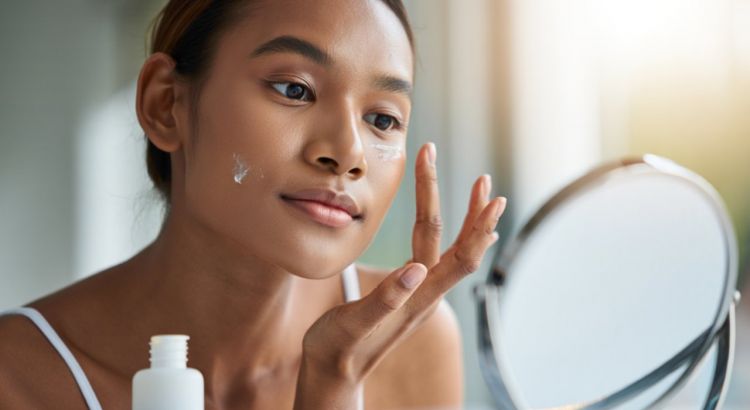
Sensitive skin often reacts quickly to irritants, ranging from harsh alcohol and fragrances to ingredients that can clog pores. Many people seek primers with lightweight, non-comedogenic, and paraben-free formulas specifically to prevent redness, itching, and breakouts from everyday makeup applications. To achieve a smooth and safe makeup base, selecting the right primer is essential. Below you’ll find nine top recommended primers for sensitive skin, as well as practical usage tips based on professional insights and dermatological studies.
Understanding the Needs of Sensitive Skin
Sensitive skin is not just about minor redness or itching, but it’s a skin condition that can flare up unpredictably when exposed to unsuitable ingredients. Common triggers include synthetic fragrances, drying alcohols, and thick pore-clogging components. That’s why non-comedogenic and paraben-free labels are crucial, although even these claims do not guarantee safety for everyone. The overall formulation, texture, and how a primer interacts with other routine products all contribute to its suitability for sensitive users. Dermatological research confirms that even with non-comedogenic ingredients, final product blending determines the risk of clogged pores.


9 Recommended Primers for Sensitive, Lightweight, Non-Comedogenic, and Paraben-Free Options
-
The Ordinary High‑Adherence Silicone Primer
This primer features a lightweight silicone texture without heavy creams or fragrances. Many people with sensitive skin report high tolerance to its simple, gentle formula. -
Hanasui Poreless Mattifying Primer
A locally produced, lightweight primer designed to absorb excess sebum and minimize the look of pores. Its formulation suits humid climates and is typically adapted for Southeast Asian skin types. -
Studio Tropik Balance Priming Water
This mist-type primer delivers a weightless feel, ideal for those who dislike heavy layers. It refreshes skin and can serve as a hydrating pre-primer step to prevent a suffocating feeling under makeup. -
Sephora Hydrate & Glow Face Primer
Focused on lightweight hydration, this primer works well for sensitive skin that is also dry or dehydrated. Its formula does not contribute to pore congestion. -
Bell HYPOAllergenic Moisturizing Primer
Formulated with hypoallergenic principles, this primer strives to minimize allergy risk. It has a soft, light texture, making it suitable as a burden-free makeup base. -
Bell HYPOAllergenic Moisturizing Primer (Alternate Size)
The same formula is available in different package sizes to suit frequency of use, but maintains identical ingredients and benefits. -
NPURE Centella Asiatica Power Primer
This product contains Centella Asiatica, a well-known anti-inflammatory plant extract, making it effective for calming, irritated, or breakout-prone sensitive skin. Always check for the absence of harsh alcohol and synthetic fragrances for elite compatibility. -
Essence Jelly Grip Hydrating Primer
With its light jelly consistency, this primer offers a gentle adhesive effect for better makeup longevity without restricting pores or adding unwanted heaviness. - Benefit The Porefessional Lite Primer
The ‘Lite’ version is more transparent and lighter than its original counterpart. Although it contains silicone, sensitive-skin users frequently report better tolerance.
Usage Guidelines and Best Practices
Proper application is just as vital as product selection. For silicone-based primers like The Ordinary and Benefit’s The Porefessional Lite, apply only a small amount using warm fingertips and focus on oily zones. For gel or jelly textures like Essence Jelly Grip, disperse a thin layer with fingertips or a flat brush, allowing a minute for absorption before applying foundation. Water-based mists (Studio Tropik Balance) should be sprayed from a distance and gently patted in.
Moisturizing primers like Bell HYPOAllergenic or Sephora Hydrate & Glow should follow your moisturizer, allowed to sink in for a few minutes, and used sparingly. Soothing primers infused with Centella Asiatica (e.g., NPURE) are suitable even on bare skin, serving daily as a protective barrier and calming aid.
Table: Summary of Key Benefits
| Primer Name | Texture | Key Feature | Notes for Sensitive Skin |
|---|---|---|---|
| The Ordinary High‑Adherence Silicone | Lightweight silicone | Minimalist, unscented | Widely well-tolerated |
| Hanasui Poreless Mattifying | Lightweight cream | Oil-control, adapted locally | Suitable for hot, humid weather |
| Studio Tropik Balance Priming Water | Mist/Water | Ultra-light, hydrating | Refreshes, doesn’t clog pores |
| Sephora Hydrate & Glow | Light cream | Hydrating, non-greasy | For dry, sensitive skin |
| Bell HYPOAllergenic Moisturizing | Fluid/soft | Hypoallergenic, gentle | Allergy-minimized, burden-free |
| NPURE Centella Asiatica Power | Creamy/gel | Soothing, anti-inflammatory | Contains calming plant extract |
| Essence Jelly Grip Hydrating | Jelly/gel | Lightweight, makeup grip | Keeps pores clear, minimal residue |
| Benefit The Porefessional Lite | Light silicone | Pore-smoothing, transparent | More suitable for sensitive skin |
How to Maximize Primer Performance
- Start with clean, moisturized skin. Gentle cleansing and hydration help primers adhere evenly.
- Use only a small amount of product. Over-applying can cause makeup slippage or aggravate sensitive skin.
- Let primer set for 30 to 60 seconds before layering foundation.
- Adjust your primer selection according to skin condition and climate. Use oil-control formulas for oily days; hydrating formulas for dry or cold weather.
- Always conduct a patch test on the jaw or behind the ear for two to three days before fully committing to a new primer.
Warning Signs That a Primer Is Not Suitable
- Itching, burning, or small bumps appear within one or two hours after application.
- Makeup begins separating or breaking up, suggesting a formula that’s too heavy.
- Pores seem enlarged or more congested after repeated use.
If you notice any of these symptoms, discontinue use and try a water-based or lighter primer.
Additional Considerations for Sensitive Skin
Ensure your primer is compatible with your current skincare actives like retinol, AHA, or BHA. Avoid layering with formulas containing high alcohol content or harsh exfoliants. Follow the standard routine: skincare, moisturizer, primer, foundation, then finish with a setting product. Don’t rush through each layer.
If you experience redness, itching, or burning—stop use. Even gentle formulas can react differently depending on stress, hormone changes, or weather.
Pro Tips for Choosing Other Makeup Products
- Pick items labeled as “clean” or “dermatologist tested,” as these are often screened for hypersensitivity.
- Opt for lightweight, non-comedogenic foundations.
- Avoid synthetic fragrances, denatured alcohol, or high comedogenic-natural oils in both skincare and makeup.
- Always use clean tools (sponges, brushes) to minimize contamination.
- Double cleanse at night to fully remove makeup and primer.
Frequently Asked Questions
Non-comedogenic does not always mean 100% safe for sensitive skin. Product labels indicate an intention to minimize pore blockage, but each person’s response varies. Always patch test, even with “safe” primers.
Wait at least half a minute after applying primer before foundation to let the product set, reducing risk of makeup sliding or primer peeling.
Skipping primer entirely can be safer if your skin is highly reactive, but the right primer may still provide smoother texture, longer-lasting makeup, and less risk of pore clogging. If a product proves itself irritation-free, it can greatly improve your sensitive skin makeup routine.