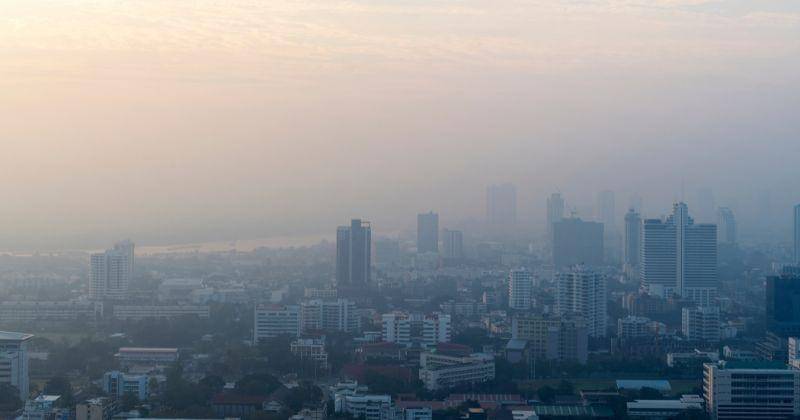
Jakarta’s air has reached alarming pollution levels with serious health risks, especially for respiratory health. Outdoor activities require people to stay alert to changes in air quality to prevent dangerous exposure.
A practical solution is the rise of air quality monitoring apps that provide real-time updates about your surroundings. These applications use trusted global databases and sensors, allowing users to access vital air data anytime. Here are seven recommended air quality check apps that help you track pollution wherever you are.
1. AirVisual (IQAir AirVisual)


AirVisual offers real-time updates on air quality in thousands of cities worldwide, including detailed pollutant levels. Users get a comprehensive look at PM2.5, PM10, ozone, carbon monoxide, nitrogen dioxide, and sulfur dioxide levels. The app provides color-coded indexes for easier reading and health recommendations specific to each condition. According to IQAir, AirVisual integrates data from both satellite and ground sensors, delivering accuracy trusted by health professionals internationally. Features include pollution forecasts for up to seven days and personal notification settings that alert users when air quality deteriorates.
2. Nafas
Nafas is dedicated to Indonesia’s major urban regions, giving hyper-local air quality reports for communities in cities like Jakarta, Bogor, and Bekasi. The app draws data from more than one hundred sensor locations, making it a reliable source for up-to-date pollution levels. Users can select their neighborhood to receive customized health advice. With push notifications and clear graphical indicators, Nafas aims to empower urban residents to make informed activity decisions based on the latest air conditions. Developers claim the app partners with local government and independent institutions for data credibility.
3. Air Matters
Air Matters provides real-time concentrations of PM2.5 and other common air pollutants, sourced from official monitoring stations globally. The app displays a user-friendly interface and supports more than 180 countries. It features pollen data and weather information, making it suitable for people with allergies and sensitive conditions. According to its developers, Air Matters integrates data from the World Air Quality Index (WAQI) and local agencies, improving reliability for travelers and local residents alike. Health guidance adjusts automatically as pollutant levels change, keeping users informed for both routine and emergency scenarios.
4. Plume Labs: Air Report
Plume Labs delivers hour-by-hour air quality breakdowns, highlighting not just pollution levels but also pollutant composition and possible short-term trends. The app uses AI to predict pollution peaks and dips throughout the day, giving actionable insights for when to go outside. Plume Labs also features an interactive world map and “exposure tracker” tool, helping users understand their personal risk over time. The company collaborates with environmental researchers for data accuracy and participates in global air quality transparency projects.
5. SQAIR
SQAIR specializes in urban air quality by providing real-time AQI (Air Quality Index) readings and recommendations. This app is tailored for quick information access, emphasizing notifications and simple color codes for busy city dwellers. Data is collected from both government sensors and community reporting, ensuring broad coverage in metropolitan areas. SQAIR stands out by aggregating not only pollution data but also offers tips for minimizing exposure in high-risk periods.
6. Breezeometer
Breezeometer provides hyperlocal air quality data down to street-level resolution, relying on a combination of satellite imaging, government sources, and real-time traffic reports. The app not only measures common pollutants but also suggests safer travel routes and outdoor plans. Its “wellness tips” are tailored based on current readings and individual profiles, making it popular among families and outdoor enthusiasts. According to environmental reviews, Breezeometer is frequently updated to reflect new pollution trends and is recognized for prioritizing user safety.
7. Air Quality Index (AQI) by EPA
For those seeking straightforward readings, AQI by EPA offers credible data sourced from the United States Environmental Protection Agency’s nationwide network. The app tracks major pollutants and provides basic health guidance correlated with AQI values. Users can switch between local and national perspectives, comparing data across different states and cities. AQI by EPA has a transparent methodology, which increases trust among users interested in the quality of their immediate environment.
Benefits of Using Air Quality Monitoring Apps
Air quality can change rapidly due to weather, traffic, and industrial emissions. These apps offer near real-time tracking, allowing individuals to avoid peak pollution events. According to global health organizations, millions of people live in environments where air pollution exceeds safe levels, so accessible information is critical for prevention. These apps empower users to:
- Check local air quality before outdoor exercise or events.
- Receive notifications for dangerous pollution spikes.
- Access long-term trends to plan travel and commutes.
- Customize alerts for sensitive groups, such as children, elders, and those with respiratory conditions.
- Learn safety tips directly from the app interface.
How to Maximize Air Quality Apps
To get the most accurate readings, always enable location access and check for app updates. Some apps, like Nafas and AirVisual, combine data from both government and independent sensors to reduce blind spots. Users are encouraged to cross-reference data from two or more apps during extreme haze or wildfires to obtain a comprehensive outlook. Set notifications on your preferred app so you never miss a warning about dangerous air levels. Utilize in-app guides to understand air quality indexes and tailor health prevention steps for your family. Input allergies and health preferences in supported apps for customized recommendations.
Quick Comparison Table: Air Quality Apps
| App Name | Coverage Area | Key Features | Data Sources | Notification Support |
|---|---|---|---|---|
| AirVisual | Global, major cities | Forecast, AQI tracking | Satellite, local | Yes |
| Nafas | Indonesia (Jakarta region) | Hyperlocal, tips | Local sensors | Yes |
| Air Matters | Worldwide | Pollens, PM analysis | WAQI, local stations | Yes |
| Plume Labs | Global | Exposure tracking, AI | Sensors, AI | Yes |
| SQAIR | Urban Asia | Community-based, tips | Gov/community | Yes |
| Breezeometer | Global, street-level | Route planner, wellness | Satellite, traffic | Yes |
| AQI by EPA | US cities | Basic AQI, health advice | EPA networks | Yes |
With growing air pollution concerns, using one or more of these air quality apps has become a daily necessity for many urban residents. The availability of real-time, accurate data helps individuals protect themselves from unseen health hazards while supporting healthier lifestyle choices. Choosing the right app depends on your location, health needs, and preference for specific features, but all options listed aim to provide safer ways to interact with your environment.