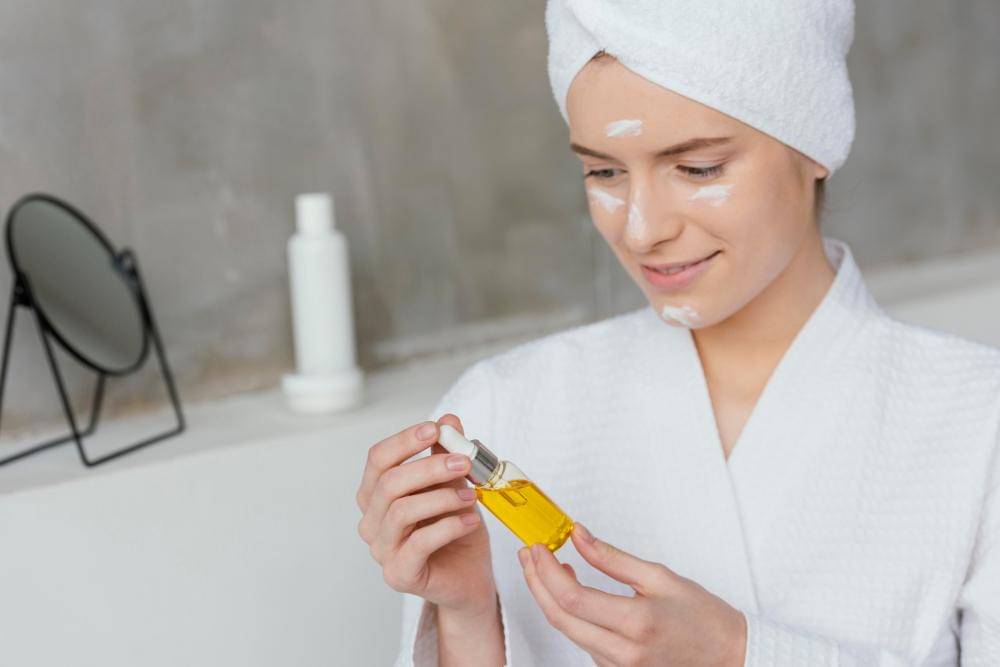
Air pollution is a growing problem in urban environments and can come from sources like vehicle emissions, dust, and cigarette smoke. These airborne particles, once they settle on the skin, may trigger various issues such as acne, dullness, and worsen inflammation-based skin conditions like eczema and psoriasis.
According to Dr. Anjali Mahto, a board-certified dermatologist at Harley Street Skin55, exposure to pollutants accelerates skin aging. The typical signs are not only wrinkles and fine lines but also stubborn hyperpigmentation. Since staying indoors constantly isn’t a practical solution, targeted skincare can be an effective defense.
Expert-Recommended Anti-Pollution Skincare Ingredients


Dermatologists emphasize the importance of antioxidants, barrier-repairing agents, and pollution-neutralizing compounds in daily skincare routines. The following ingredients have strong support from recent research and expert opinion.
1. Niacinamide
Niacinamide, also known as vitamin B3, is praised for defending skin against oxidative stress. It boosts the barrier function of the skin and reduces the penetration of harmful pollutants. Clinical data show that niacinamide supports the production of ceramides, which enhance moisture retention and resilience.
2. Vitamin C
Vitamin C is a powerful antioxidant that directly combats free radicals generated by air pollutants. Studies published in dermatology journals revealed that vitamin C serums improve skin brightness and reduce signs of pollution-induced aging. Dr. Mahto recommends vitamin C as a daily defense for urban dwellers.
3. Hyaluronic Acid
Hyaluronic acid doesn’t just hydrate. It also strengthens the skin barrier, making it harder for tiny pollutant particles to enter. Researchers in skincare science have found that regular use of hyaluronic acid reduces transepidermal water loss, a key indicator of healthy skin.
4. Green Tea Extract
Rich in polyphenols, green tea extract neutralizes free radicals and soothes damaged skin exposed to environmental stress. Peer-reviewed papers have highlighted green tea’s ability to prevent DNA damage and reduce inflammation after pollutant exposure. Dermatologists often suggest products containing this botanical, especially for sensitive or redness-prone skin.
5. Ceramides
Ceramides are natural lipids crucial for maintaining the skin’s protective shield. When pollution breaks down this barrier, moisture escapes, and irritants enter more easily. Leading skincare experts advocate for the inclusion of ceramides in cleansers, moisturizers, and serums to reinforce skin health.
6. Ferulic Acid
Ferulic acid is often combined with vitamins C and E for enhanced protective power against the effects of solid particles in polluted air. Data from clinical trials have shown that products with ferulic acid improve antioxidant stability and offer better photo-protection. This makes ferulic acid a highly recommended addition for those living in high-smog areas.
7. Charcoal and Clay
Charcoal and clay work as absorbent agents that help draw out pollutants from the skin’s surface. Research in environmental dermatology confirms that masks containing activated charcoal or bentonite clay can trap fine dust and heavy metals, reducing long-term skin irritation and clogging.
How to Choose and Use Anti-Pollution Skincare
A consistent skincare regimen featuring these ingredients can help reduce the visible impact of pollution. Here’s a step-by-step guide for incorporating antipollutant agents into your routine:
- Cleanse: Use a gentle cleanser with charcoal or clay in the evening to remove grime and microparticles.
- Tone: Apply a toner containing green tea extract or niacinamide for extra antioxidant support.
- Serum: Layer a vitamin C serum in the morning, followed by a cream with ceramides or hyaluronic acid.
- Moisturize: Choose moisturizers formulated with hyaluronic acid and ceramides to ensure barrier repair.
- Protect: Don’t forget daily sunscreen, as pollution often increases sensitivity to UV damage.
- Weekly Mask: Use a charcoal or clay-based mask once or twice per week to deep clean pores.
- Night Care: At night, apply a serum with ferulic acid and antioxidants for overnight repair.
Comparing the Effectiveness of Key Ingredients
| Ingredient | Main Benefit | Suitable Skin Types |
|---|---|---|
| Niacinamide | Strengthens barrier, reduces irritation | All, especially sensitive |
| Vitamin C | Fights free radicals, improves brightness | All, especially aging |
| Hyaluronic Acid | Hydrates, reinforces barrier | All, especially dry |
| Green Tea Extract | Calms, defends against oxidative stress | All, especially reactive |
| Ceramides | Repairs lipid layer, locks in moisture | All, especially eczema |
| Ferulic Acid | Boosts antioxidant effect, UV protection | All, especially dull |
| Charcoal/Clay | Absorbs impurities, purifies pores | Oily, combination |
Why Environmental Protection in Skincare Matters
Pollutants can penetrate deeply and cause long-term cellular damage, even if you don’t see effects overnight. Research cited by The Independent stresses that visible reactions like breakouts or pigmentation might be the tip of the iceberg. A preventive skincare strategy isn’t just about appearance but protecting overall skin health against urban hazards.
Expert Insights on Pollution and Skin Health
Dr. Mahto and other dermatologists agree that no single product provides total protection against all pollutants. The best results come from layering formulas with complementary benefits, especially using antioxidants and occlusive barriers. Regular updates in dermatological research confirm that combining scientific innovation with traditional skin repair agents provides optimal defense.
Environmental challenges are growing, and adapting your routine is key. By making smart choices about skincare ingredients, you can keep your skin resilient and healthy despite daily pollution exposure. Consistently using these expert-recommended ingredients is a practical, effective way to minimize the risks associated with urban living and keep premature skin aging at bay.