Vampires have fascinated audiences for generations with their eternal life and mysterious powers. Film makers from various countries continue to explore the myths and secrets surrounding these blood-sucking creatures through unforgettable cinema.
A number of vampire films are considered the best not just for their intense scares, but also for their unique approaches to story and character. Here are eight of the best vampire movies of all time, each offering a thrilling and different perspective on the legend. The following list is based on influential works, critical acclaim, and lasting impact on popular culture.
1. Nosferatu


Nosferatu stands as one of cinema’s true horror classics. Released in the beginning of the twentieth century, this silent film was the first to introduce the idea that sunlight could destroy a vampire. Count Orlok, the film’s central figure, became an icon with his chilling appearance and menacing presence. The visual style, inspired by German Expressionism, helped establish the dark, eerie mood now inseparable from vampire lore.
Nosferatu influenced generations of filmmakers and remains one of the most critically studied horror films. Many experts cite it as essential viewing for an understanding of how various vampire myths entered pop culture. Its innovative use of shadows and tension is often referenced in modern thrillers.
2. Underworld
Underworld presents an action-packed world where vampires are locked in an endless war with werewolves, also known as Lycans. Selene, portrayed by Kate Beckinsale, is a vampire warrior with personal reasons for joining the fight. The story’s complexity grows as she uncovers secrets surrounding Michael Corvin, whose fate could alter the balance between both supernatural races.
Underworld stands out for its blend of gothic visuals and high-octane action. The film developed a strong cult following and inspired several sequels. Critics often praise the dynamic world-building and elaborate costumes that bring its vampire mythology to life.
3. Let The Right One In
Let The Right One In delivers a quiet and haunting exploration of loneliness through the unconventional friendship of Oskar and Eli. Oskar, a young boy suffering from bullying, befriends Eli, a mysterious neighbor who reveals herself as a centuries-old vampire.
The Swedish setting creates a stark atmosphere, while the film gains emotional depth by focusing on the characters’ loneliness and need for connection. Reviewers and audiences applaud its fresh take on vampire traditions and its sensitive storytelling. This film is also considered a standout for demonstrating the tragic side of eternal existence and the costs of survival.
4. Bram Stoker’s Dracula
Directed by Francis Ford Coppola, Bram Stoker’s Dracula adapts one of literature’s most influential vampire novels. Gary Oldman delivers a memorable performance as Count Dracula, whose romantic obsession with Mina Harker drives the story. The film’s visual style emphasizes gothic extravagance, complete with elaborate costumes and detailed sets.
Coppola’s adaptation is recognized both for its faithfulness to the original novel and its bold artistic vision. The use of in-camera effects and practical makeup offers a visually unique experience compared to other vampire films. Film historians consider it one of the most elegant interpretations of the Dracula myth.
5. Interview with The Vampire
Interview with The Vampire explores the emotional cost and seductive danger of immortality. The film follows Louis, played by Brad Pitt, after he is turned into a vampire by the charismatic and ruthless Lestat, portrayed by Tom Cruise. Their complicated relationship unfolds over centuries, touching on themes of love, regret, and the longing for humanity.
The movie’s performances and lush atmosphere contribute to its status as a defining entry in the vampire genre. Critics highlight its philosophical dialogue and moody cinematography as strengths. The adaptation is also well known for its faithful interpretation of Anne Rice’s original novel, which shaped modern vampire literature and film.
6. Only Lovers Left Alive
Only Lovers Left Alive stands apart by placing its focus on two centuries-old vampire lovers, Adam and Eve, as they navigate a changing world. Instead of traditional horror, the movie is a melancholic meditation on art, culture, and the passage of time. The characters are intellectuals who draw inspiration from humans but remain apart, watching civilizations rise and fall.
The film’s slow pacing and atmospheric direction appeal to viewers seeking a more thoughtful exploration of vampire existence. Its commentary on immortality and creativity earns it high critical marks. Many consider Only Lovers Left Alive an art film with deep emotional resonance, rather than pure horror.
7. Blade
Blade introduces audiences to a new kind of vampire hunter—a half-vampire, half-human antihero. Wesley Snipes portrays Blade, who uses his unique abilities to protect humans from predatory vampires. The movie combines martial arts action with horror and laid the groundwork for many modern comic-book adaptations.
Blade’s energetic fight scenes and stylish special effects brought a fresh, urban style to the vampire movie formula. The film also influenced the visual approach of later superhero movies. Its success spawned several sequels and expanded the character’s popularity far beyond comic book fans.
8. Twilight
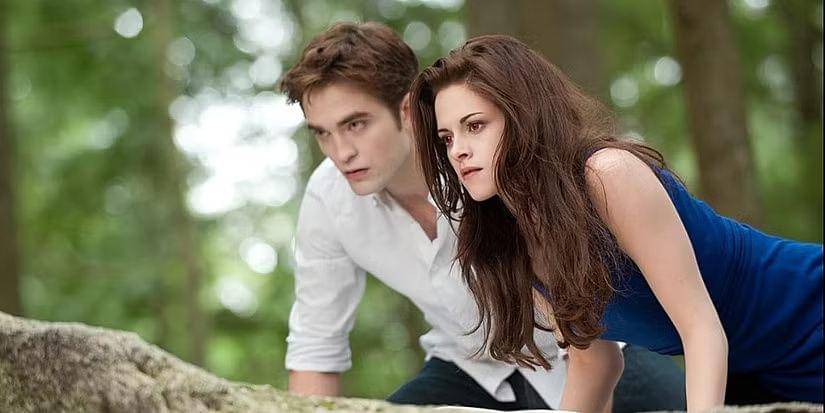
Twilight became a worldwide phenomenon by bringing the vampire myth into a modern romance context. Kristen Stewart and Robert Pattinson star as Bella and Edward, whose forbidden relationship draws on classic themes of desire and danger. The Twilight saga’s emphasis on youthful emotion and contemporary fantasy attracted millions of fans.
Despite divided critical opinion, Twilight popularized vampire mythology with a new generation. It raised debates about how vampires are portrayed and expanded the scope of the genre, making it relevant to younger audiences. The franchise also contributed to renewed interest in gothic romance in popular fiction.
Key Highlights of Legendary Vampire Films
| Title | Notable Aspect | Cultural Impact |
|---|---|---|
| Nosferatu | Sunlight is fatal for vampires | Early horror classic, shaped vampire lore |
| Underworld | War between vampires and werewolves | Popularized supernatural action subgenre |
| Let The Right One In | Vampire story framed as a coming-of-age drama | Acclaimed for emotional depth and originality |
| Bram Stoker’s Dracula | Gothic visuals, literary roots | Iconic adaptation of classic vampire novel |
| Interview with The Vampire | Vampires’ inner conflicts and immortality | Influenced modern vampire literature/films |
| Only Lovers Left Alive | Artistic portrayal of immortal love | Viewed as an art-house approach to the genre |
| Blade | Action hero with vampire powers | Pioneered comic-based horror action |
| Twilight | Teen romance and supernatural struggles | Fresh perspective, global youth audience reach |
Each of these films reflects the evolution of vampire myths through the lens of different directors and cultural influences. The best vampire movies provide not just moments of terror, but also invite viewers to reflect on questions of morality, loneliness, and the human condition. By blending horror, romance, and philosophical themes, these titles remain relevant and rewatchable for anyone fascinated by the world of the undead.