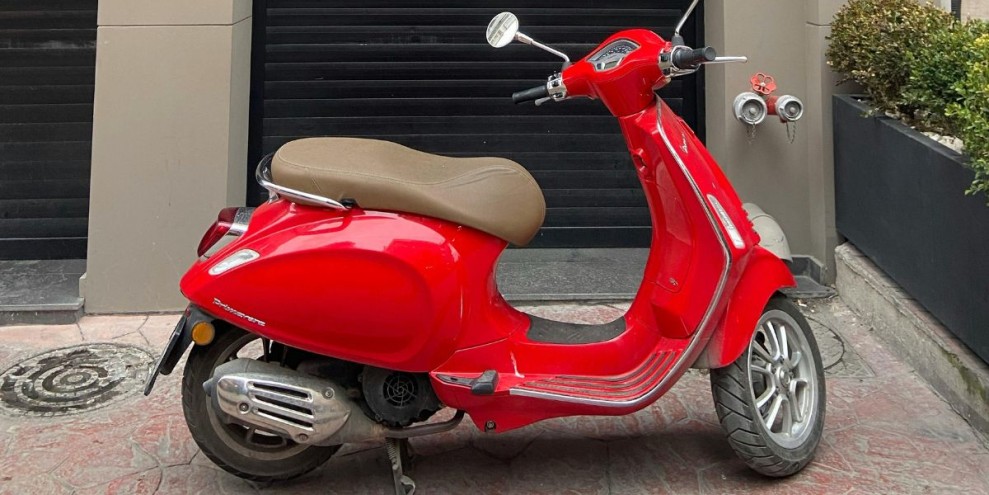
The electric motorbike market is quickly becoming a popular choice for urban mobility seekers in Indonesia. More manufacturers are offering innovative models with affordable prices, efficient performance, and environmentally friendly benefits. People looking for practical transportation are now eyeing electric two-wheelers that are both stylish and cost-effective.
Accessibility is the main appeal, with some models available for under three million rupiah, especially after government subsidies. With fuel costs on the rise and concerns about air quality growing, electric motorbikes are seen as a modern solution for daily commutes. Buyers also benefit from lower running expenses and reduced maintenance when compared to traditional gasoline motorcycles.
Why Electric Motorbikes Are Gaining Traction
Several key factors explain the rising interest in electric two-wheelers. Technology is rapidly evolving, with features like smart keys, mobile connectivity, and swappable batteries now common even on entry-level models. The cost gap between electric and petrol-powered bikes is also narrowing each year. Government incentives further push pricing into a range previously thought to be impossible for green vehicles.
Many users appreciate that electric bikes offer a sustainable alternative that produces zero emissions. For those concerned about air pollution and climate change, switching to electric motorcycles feels like a responsible lifestyle upgrade. Furthermore, the simplicity of electric drivetrains cuts out the need for oil changes and frequent service, adding to the overall savings.
10 Cheapest Electric Motorbike Options Starting from Two Million Rupiah
The selections below represent the most affordable electric motorbikes now available in the Indonesian market, each with unique features, strengths, and pricing.
-
ZPT Nimbuzz
- Priced from around Rp2.9 million after subsidy, this model delivers 1,200 watts of power and reaches a top speed of 45 km/h.
- The Nimbuzz weighs only 89 kg and has an SLA 48V/28Ah battery with a range of up to 70 km.
- Its elegant styling and competitive pricing make it a popular entry-level option.
-
ZPT Megan Classic
- Also starting at about Rp2.9 million, the Megan Classic uses four SLA batteries (60V/20Ah or 48V/28Ah).
- Topping out at 40–45 km/h, the motor can travel 50 to 70 km on a single charge.
- This model is praised for being the most affordable electric bike in its class.
-
ZPT NYX
- Available at approximately Rp4.9 million after subsidy, the NYX features a 1,200-watt motor and 48V/28Ah SLA battery.
- It achieves a maximum speed of 70 km/h and covers up to 70 km per charge.
- The NYX offers enhanced performance and range over other entry-level models.
-
Selis E-Max
- The E-Max is offered at about Rp7.5 million post-subsidy, packing a 1,500-watt dynamo.
- This bike can hit 50 km/h and uses an SLA 60V/20Ah battery for a 40 km range (Lithium battery upgrade available).
- With a maximum carrying capacity of 200 kg, the E-Max is robust and maintenance-friendly.
-
Selis Neo-Scootic
- Priced at approximately Rp13.5 million, the Neo-Scootic has a 1,500-watt drive and an SLA 60V/20Ah battery.
- Its range reaches 40 km with a top speed of 40 km/h.
- Modern features include keyless operation, hydraulic disc brakes, and a futuristic design.
-
Greentech Aero
- This motorbike retails for under Rp7 million after subsidies, using a 72V/32Ah removable KK Super Graphene battery.
- Maximum power output is 1,000 watts, with speeds up to 70 km/h and a distance range of 88 km.
- Safety features include front and rear disc brakes, remote alarm, and LED lighting.
-
Greentech Unity
- Selling for less than Rp10 million, the Unity relies on a 60V/32Ah KK Super Graphene battery and 800-watt motor.
- Range is an impressive 100 km, while speed is capped at 65 km/h.
- The warranty covers the battery for 15 months, and it can carry up to 175 kg.
-
Greentech VP
- The VP costs around Rp7.5 million post-subsidy and includes a 1,000-watt motor paired with a 72V/32Ah KK Super Graphene battery.
- Capable of traveling 100 km on a single charge, it reaches up to 55 km/h.
- The bike is designed for minimal maintenance and reliable performance for longer distances.
-
Uwinfly T3
- Starting at Rp7.9 million, the Uwinfly T3 features classic scooter styling and two battery options: 60V/20Ah and a Pro version with more power.
- With 800–1,200-watt motor options, speeds reach 55–60 km/h and ranges span 50–70 km.
- The T3 appeals to style-conscious riders needing a large 200 kg load capacity.
- Polytron Fox-S
- Fox-S occupies the affordable segment at around Rp9 million after subsidy, boasting a 3,000-watt motor.
- It comes with a 1.94 kWh (72V/27Ah) Lithium Iron Phosphate (LiFePO4) battery, offering a 70 km range at average speeds of 40 km/h.
- The battery is dust and water-resistant (IP67), while technology touches include a smart key, USB charging, and app-based condition monitoring.
Price and Highlights Table for Comparison
| Model | Price (Rp, after subsidy) | Power (Watt) | Range (km) | Max Speed (km/h) | Battery Type |
|---|---|---|---|---|---|
| ZPT Nimbuzz | ~2.9 million | 1,200 | 70 | 45 | SLA 48V/28Ah |
| ZPT Megan Classic | ~2.9 million | 1,200 | 50–70 | 40–45 | SLA 60V/20Ah or 48V/28Ah |
| ZPT NYX | ~4.9 million | 1,200 | 70 | 70 | SLA 48V/28Ah |
| Selis E-Max | ~7.5 million | 1,500 | 40 | 50 | SLA 60V/20Ah |
| Selis Neo-Scootic | ~13.5 million | 1,500 | 40 | 40 | SLA 60V/20Ah |
| Greentech Aero | ~7 million | 1,000 | 88 | 70 | KK Super Graphene 72V/32Ah |
| Greentech Unity | <10 million | 800 | 100 | 65 | KK Super Graphene 60V/32Ah |
| Greentech VP | ~7.5 million | 1,000 | 100 | 55 | KK Super Graphene 72V/32Ah |
| Uwinfly T3 | ~7.9 million | 800–1,200 | 50–70 | 55–60 | 60V/20Ah |
| Polytron Fox-S | ~9 million | 3,000 | 70 | 80 | LiFePO4 72V/27Ah |
Prices listed above are after government incentives are applied and are subject to change based on location and dealer policies. Motorbike models in this list leverage different battery types and power ratings, addressing the diverse mobility requirements of Indonesian riders.
Consumers weighing their options should take both features and warranty periods into account. Battery technology, speed rating, and after-sales support are essential factors for securing lasting value. Through government support and private innovation, electric motorbikes continue to become a mainstream, accessible option for eco-conscious urban transportation. If you are considering a new electric two-wheeler on a limited budget, the models listed provide a variety of trustworthy choices that balance price, range, safety, and style.
-

-

-

-