The electric car market in Indonesia has experienced significant growth, driven by public awareness of eco-friendly transportation. Government policies, including tax reductions and purchase subsidies for electric vehicles, have accelerated adoption across urban communities.
Automotive brands have responded to this trend by launching new affordable electric cars well-suited for city driving. These models target first-time buyers who wish to shift to greener mobility without stretching their budgets. Based on the latest market observations and updates from reliable sources, here is an in-depth look at the most recommended and cheapest electric cars now available in Indonesia.
Key Factors Supporting Affordable Electric Cars


The rising popularity of electric vehicles in Indonesia cannot be separated from strong governmental support. Purchase incentives, such as zero-emission tax relief and direct subsidies, make entry-level models significantly more accessible. Buyers are mainly interested in cars that can handle daily commutes within city limits, have affordable maintenance costs, and are easy to recharge at home.
Manufacturers competing in this market emphasize compact dimensions, practicality, and user-friendly features. They also highlight low running costs as a unique selling point in comparison to petrol-powered vehicles.
Top Recommended Cheapest Electric Cars for Urban Commuters
Here is a detailed review of the top three most affordable electric car options currently gaining traction in the Indonesian market.
-
Wuling Air ev Lite
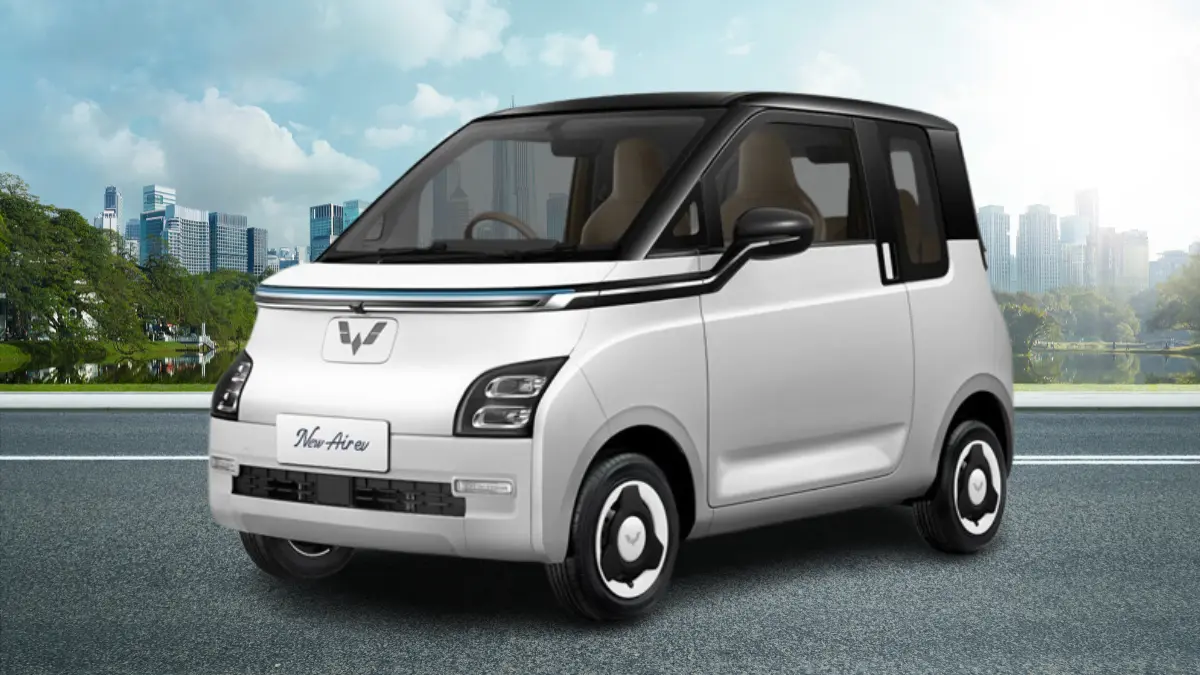
Wuling Air ev Lite is recognized as the most affordable electric city car in Indonesia according to market listings. Designed for daily use in dense urban environments, it features a compact body shape for convenient navigation through congested streets and tight parking spaces.
The interior allows for up to four passengers, providing comfort for a small family or personal users. Powered by a 17.3 kWh LFP battery, this car delivers a decent range of up to 200 km based on NEDC standards. This distance is generally sufficient for daily urban activities and school or office commutes.
Key features include a simple infotainment system, air conditioning, and electric seat adjustment (on selected trims). With an on-the-road price around Rp184 million in Jakarta, it stands out as an attractive option for those considering their first electric car.
The Air ev Lite’s cost-effectiveness, combined with low operational costs and minimal maintenance, positions it well in the affordable EV segment. -
DFSK Seres E1
DFSK Seres E1 steps in as a compact electric SUV alternative tailored for city dwellers. It provides an agile driving experience for four occupants, backed by a 13.8 kWh battery. This capacity allows the Seres E1 to reach up to 180 km (NEDC) on one charge.
Although the battery is smaller than some contenders, the car remains highly efficient and easy to maneuver in urban areas because of its narrow turning radius and stable handling.
Post-subsidy, the price for the DFSK Seres E1 in Indonesia floats around Rp189 million, according to trusted automotive outlets.
For those seeking a practical, low-cost, and easy-to-park urban SUV, the Seres E1 meets most needs without adding financial strain. - VinFast VF3
The Vietnamese brand VinFast brings new competition into Indonesia’s electric car industry with the VF3 model. Designed as an entry-level electric vehicle, the VF3 focuses on affordability and simplicity.
Its compact form and straightforward control layout suit daily routines within highly populated cities.
Although detailed local specifications and final pricing are still being finalized, current information positions the VF3 as a strong rival for other small electrics in the market.
Early reports from automotive news sources indicate that the VinFast VF3 will be priced competitively, appealing especially to younger or first-time car buyers.
Comparison Table: Main Affordable Electric Car Choices
| Model | Battery Capacity | Official Range (NEDC) | Max Passengers | Estimated Price (Jakarta) |
|---|---|---|---|---|
| Wuling Air ev Lite | 17.3 kWh | 200 km | 4 | Rp184 million |
| DFSK Seres E1 | 13.8 kWh | 180 km | 4 | Rp189 million |
| VinFast VF3 | TBA | TBA | 4 | Competitive |
*Note: TBA = To Be Announced officially.
What to Consider When Choosing an Affordable Electric Car
When selecting an entry-level electric vehicle, prospective buyers should evaluate daily range requirements based on commute distances. Battery capacity determines how far the car can travel between recharges.
Another crucial factor is the availability of charging infrastructure, particularly if fast chargers are not yet widespread in residential areas.
Interior space and comfort can be a deciding factor, especially for small families. All reviewed models above accommodate up to four passengers and are suitable for everyday trips.
Pay attention to additional features, such as air-conditioning, ease of infotainment operation, and electric seat settings, since these can make a difference during long-term use.
Government Incentives and Future Trends
The local government continually introduces schemes to promote electric vehicle adoption. These range from value-added tax exemptions to direct purchase subsidies, making initial purchase prices more approachable for mid-income households.
This supportive climate encourages car producers to develop even more variations for consumers seeking eco-friendly urban mobility.
Industry analysts predict a surge in affordable EV launches, bringing about more competitive pricing and new features. Consumers will have even more options in the near future, resulting in a progressively vibrant automotive landscape.
Tips for Prospective Buyers Entering the Electric Car Era
- Study actual daily mileage to ensure compatibility with the car’s range.
- Visit local showrooms to experience the car’s interior space and comfort level.
- Evaluate total cost of ownership, including electricity expenses, maintenance, and insurance.
- Stay updated on government policies for tax breaks or new incentives applicable to EVs.
- Verify aftersales service and official dealer networks to secure product support and spare part availability.
The rise of affordable electric vehicles in Indonesia signals a transformative phase for city transportation. Shoppers now have multiple cost-effective options to join the electric mobility trend without sacrificing practicality or draining their finances. More choices from diverse brands will continue to shape the evolution of sustainable commuting on the archipelago.