


The Rp3 jutaan smartphone segment has become far more competitive than it used to be. Features that once felt reserved for flagship phones, such as wireless charging, very bright displays, and oversized batteries, are now appearing in this price range.
That shift also changes what buyers need to look at. A large RAM number is no longer the only thing that matters, because long-term use now depends just as much on chipset efficiency, software support, and body protection.
Battery life and display brightness are now major selling points
Among the most balanced options, iQOO Z10 stands out with a 6.77-inch AMOLED 120Hz display, 5,000 nits of brightness, and the Snapdragon 7 Gen 3 built on a 4nm process. It also carries a 7,300 mAh battery with 90W fast charging, making it a strong fit for users who want endurance and a bright screen in one device.
Tecno Pova 7 5G takes a different path for active users. It comes with a 6,000 mAh battery, reverse charging, and an IPS LCD 144Hz display that supports smoother gaming sessions.
Flagship-style features are starting to reach this segment
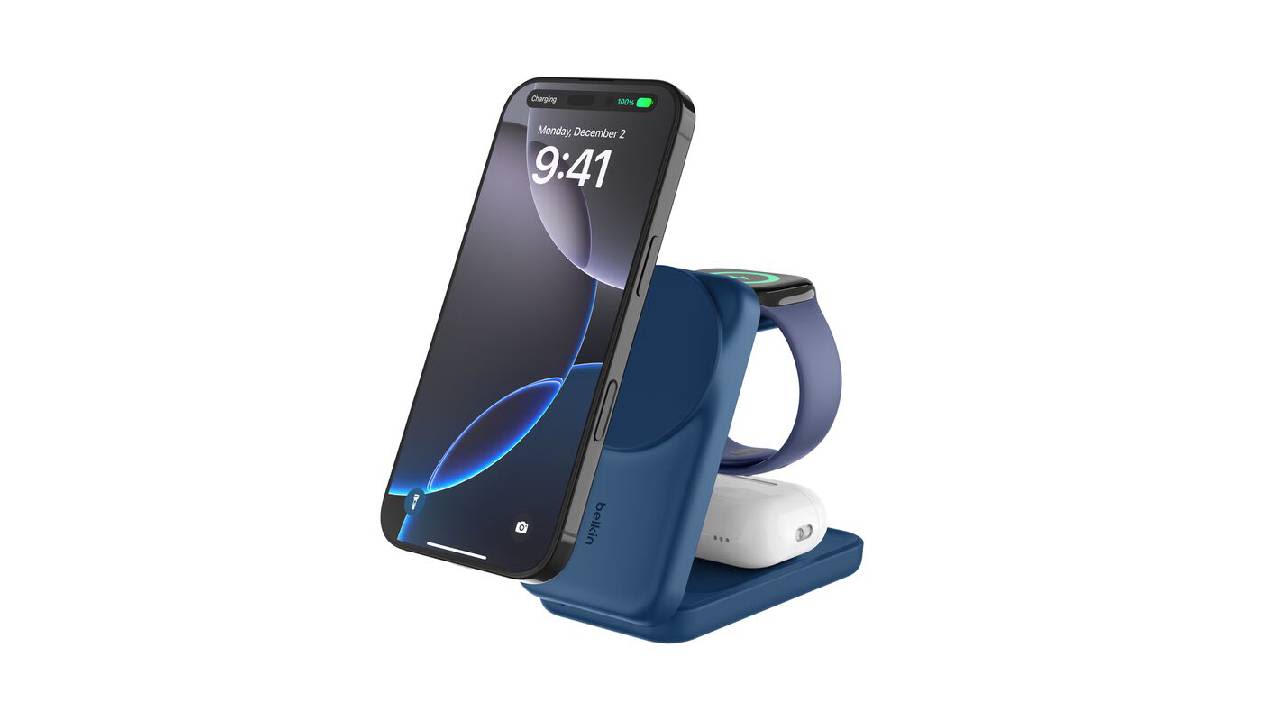
Infinix Note 60 5G is one of the most unusual names in this class because it already includes wireless charging at a more affordable price point. That feature is paired with the Dimensity 7400 chipset, which is described as very powerful.
This makes the device stand apart from many rivals that still focus mainly on basic specifications. For buyers who want something that feels more premium without moving into a much higher price tier, that combination is likely to be the main attraction.
Durability and camera quality remain important
Redmi Note 14 Pro 5G remains strong on value, especially after moving into the Rp3 jutaan class from a previous Rp4 jutaan position. It offers a 200MP camera with OIS, a 1.5K display, Gorilla Glass Victus 2, and IP68 certification.
Those protection features matter for daily use. Stronger screen and body durability can make a phone easier to keep in good condition over the long term.
Software support is becoming a deciding factor
Realme P3 emphasizes long-term software commitment rather than raw hardware alone. The phone offers 3 OS updates and 4 years of security support, along with a 6,000 mAh battery that can charge fully in under an hour.
That kind of support matters because apps and operating systems keep evolving. For many users, a phone that stays current for longer is more valuable than one that only looks impressive on paper.
Smooth multitasking and cleaner software also have their place
POCO X7 focuses on stability with a 1.5K AMOLED display protected by Victus 2 and a Dimensity 7300-U chipset that is said to be very stable for heavy multitasking. This makes it a sensible option for users who prioritize consistent performance.
Motorola G86 Power is aimed at people who prefer a cleaner software experience. It has a 6.67-inch OLED display, a 6,200 mAh battery, and 30W charging, giving it a simple and elegant profile.
Samsung Galaxy A26 5G still carries appeal through Samsung’s ecosystem. It uses the Exynos 1380 on a 5nm process, a chip that is already proven to be stable, and it also includes a 50MP OIS camera with Samsung’s familiar and mature color processing.
Taken together, these devices show how crowded the Rp3 jutaan market has become. For battery life and a bright display, iQOO Z10 looks the most aggressive, while Redmi Note 14 Pro 5G stands out for its camera and water resistance, making both of them strong long-term considerations.