


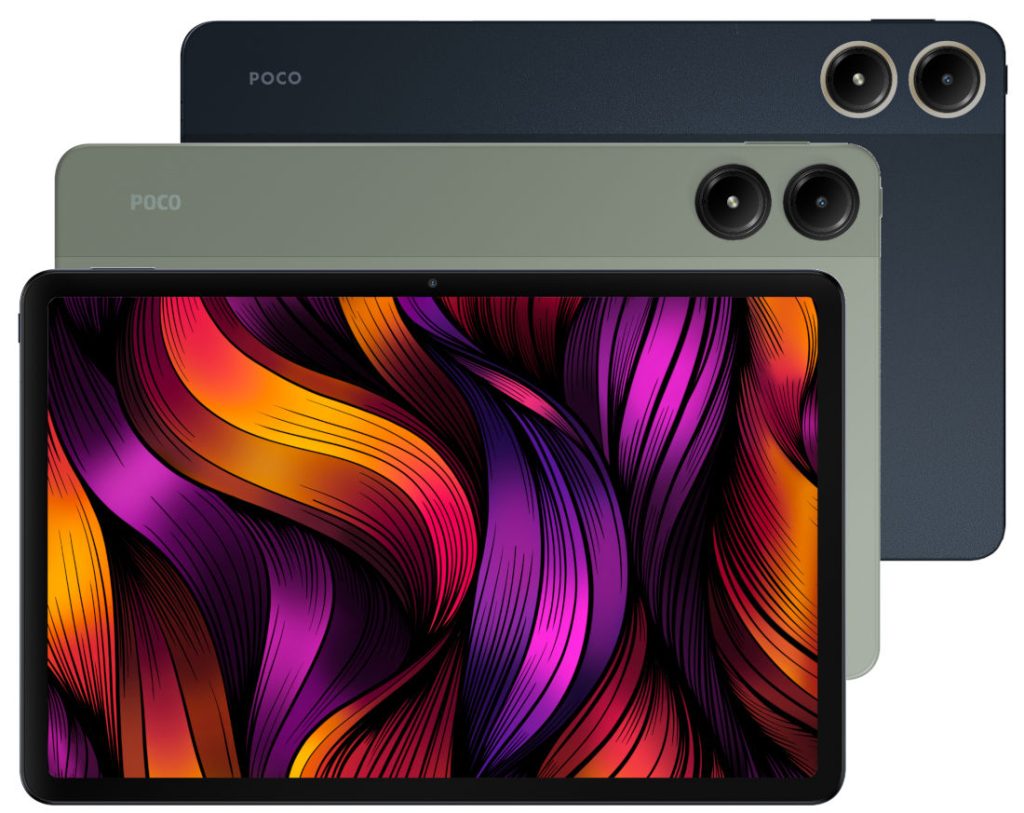
POCO Pad is carving out a space as a tablet that can handle more than casual media use. With a large display, a 5G-ready Snapdragon chipset, and battery life aimed at long workdays, it is positioned as a practical option for hybrid work, entertainment, and gaming in one device.
That positioning matters as flexible work patterns continue to push demand for devices that can manage video meetings, documents, and multiple apps without feeling cramped. POCO Pad addresses that need with hardware that sits close to a lightweight laptop experience, while still remaining easier to carry around every day.
Built for work that moves between apps
At the center of the device is the Snapdragon 7s Gen 2, a 4nm chipset with an octa-core CPU clocked up to 2.4GHz and an Adreno GPU. The chip is designed to keep power use efficient while maintaining stable performance during long sessions.
POCO says the tablet can handle gaming, streaming, light editing, and work multitasking in a single device. Technology media have also viewed its performance as competitive in the upper mid-range, especially for document editing and graphically demanding games.
A display meant to do more than stream video
The screen is one of the strongest arguments for the POCO Pad. It uses a 12.1-inch IPS LCD panel with 2.5K resolution and AdaptiveSync 120Hz refresh rate, which helps scrolling, app switching, and gameplay feel smoother.
Support for Dolby Vision and four Dolby Atmos speakers adds to its appeal for both work and entertainment. The 16:10 aspect ratio also makes the tablet more comfortable for online meetings, split-screen use, remote learning, and opening documents side by side.
Battery life that fits mobile routines
The POCO Pad comes with a 10,000mAh battery and 33W fast charging. According to the company’s internal claims, it can last up to 16 hours of online video playback or around 18 hours of digital reading.
That endurance makes the tablet relevant for users who often work away from the office. It also gives gamers more room to use the device for longer periods without needing to search for a charger too often.
Software and storage support daily productivity
The tablet runs HyperOS based on Android 14 and supports Xiaomi’s cross-device ecosystem. File sync, clipboard sharing, and cross-device notifications are part of the experience, which helps make daily workflows more efficient.
It also ships with 8GB LPDDR4X RAM and 256GB UFS 2.2 storage. For users who need more room, microSD expansion is supported up to 1.5TB, while both the front and rear cameras are 8MP.
| Key specifications | Details |
|---|---|
| Chipset | Snapdragon 7s Gen 2 |
| Process | 4nm |
| CPU | Octa-core up to 2.4GHz |
| Display | 12.1-inch IPS LCD |
| Resolution | 2.5K |
| Refresh rate | AdaptiveSync 120Hz |
| Battery | 10,000mAh |
| Charging | 33W |
| RAM | 8GB LPDDR4X |
| Storage | 256GB UFS 2.2 |
| microSD | Up to 1.5TB |
| Cameras | 8MP front and rear |
Pricing places it in a competitive premium-midrange zone
Based on listings in official Indonesian marketplaces, the POCO Pad 8GB/256GB is priced at around Rp4 jutaan to Rp4,8 jutaan. The final price depends on the variant and whether the package includes a keyboard or stylus bundle.
That pricing helps explain why the tablet is being seen as more than just a media device. For users who want a large Android tablet that can support hybrid work while still remaining portable, the POCO Pad offers a combination of screen size, battery life, and performance that is hard to ignore.