


The latest wave of gaming phones shows a clear shift in priorities. Raw speed still matters, but endurance, thermal control, and everyday comfort now shape the competition more than ever.
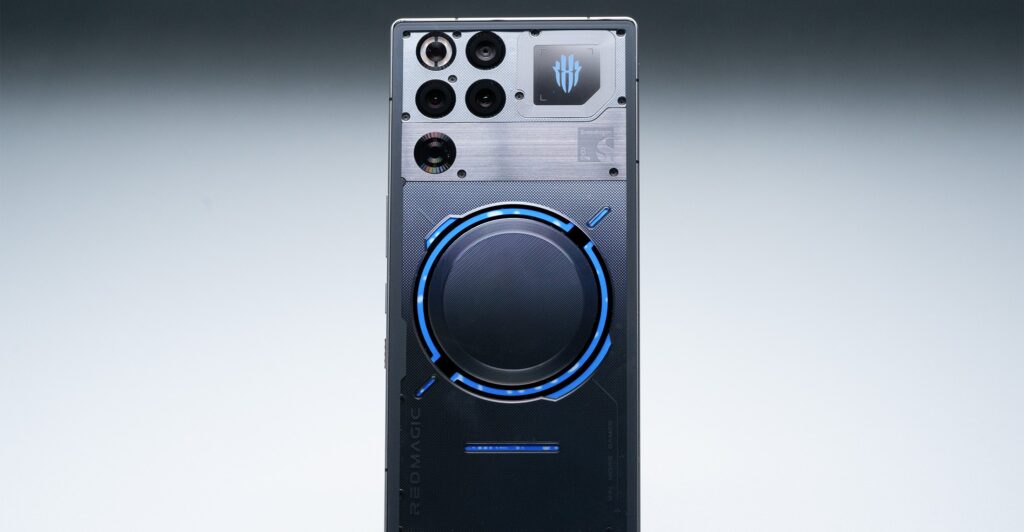
That shift puts RedMagic 11 Pro in a strong position. The device stands out not only for high performance, but also for an aggressive cooling approach and a premium price that is described as more competitive.
Cooling has become the new battleground
RedMagic 11 Pro draws attention in the flagship gaming segment with an AMOLED 144Hz display, a large battery, an internal active fan, and a liquid cooling system. These elements are designed to keep temperatures stable during long gaming sessions.
Nubia also strengthens its position with the RedMagic 11S Pro. The model uses the AquaCore Cooling System, which combines a vapor chamber, liquid metal, and an internal fan.
That cooling setup is meant to reduce thermal throttling, a common problem in high-performance gaming phones. For mobile gamers, sustained performance can matter as much as peak power.
Mainstream brands are also joining the race
The competition is no longer limited to brands known mainly for gaming phones. Samsung is also entering the space with the Galaxy S26 Ultra, which is said to bring a larger vapor chamber and AI optimization for more stable gaming performance.
This shows that gaming has become an important flagship feature for mainstream vendors as well. The appeal of a gaming-capable phone is now spreading beyond products built with a gamer-first identity.
iQoo is following a similar direction with the iQoo 15 Ultra. The brand is known for pushing high performance while focusing on frame-rate stability and very fast charging.
In Indonesia, iQoo continues expanding through its flagship and performance-oriented lineup. That strategy targets both younger gamers and users who need a phone for multitasking.
More affordable options still matter
The race is not happening only at the top end. Poco F8 Pro and Redmi K-series devices are also drawing attention, especially in the Indonesian gaming community.
Their appeal comes from flagship chipsets offered at more competitive prices. That makes them a strong middle ground for users who want high performance without moving straight into the most expensive class.
This pricing pressure helps explain why the gaming phone market is becoming broader. Buyers are increasingly weighing performance against value, not just against brand image or aggressive styling.
Design is getting calmer, but the core specs stay tough
A notable trend in 2026 is the move toward more elegant designs. Many makers now want gaming phones to feel comfortable as daily devices, not only as specialist hardware for play.
Even with a cleaner look, the core features remain firmly focused on gamers. High refresh-rate screens, advanced cooling, large batteries, and AI support continue to define what buyers look for.
That balance reflects a more mature market. Mobile gamers are not only chasing speed anymore; they also want a phone that stays practical throughout the day.
Esports demand keeps the pressure high
Mobile esports in Indonesia is one of the biggest forces behind this market shift. Competitive players push vendors to build phones that can hold performance steadily over time.
As a result, screen speed, cooling efficiency, and battery endurance have become top priorities. Chipmakers such as Qualcomm and MediaTek are also bringing more aggressive AI and power-efficiency capabilities for the next generation of gaming devices.
With those conditions in place, the gaming phone rivalry is expected to remain intense throughout 2026. The strongest contenders are likely to be the ones that best combine power, temperature control, endurance, and comfort.
Source: selular.id