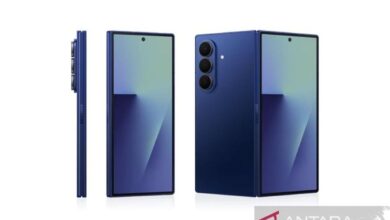
Smartphone buyers who tend to upgrade often may want to act sooner rather than later. Xiaomi CEO Lei Jun has warned that phone prices could keep rising as pressure from key components grows stronger.
He delivered that message during the launch of the Xiaomi 17 Max on Thursday, May 21, 2026. Lei Jun said the market is facing a real cost squeeze, especially from rising prices of RAM and storage chips.
Rising component costs are the main pressure point
The sharp increase is coming from memory and storage parts, which are now more expensive across the industry. Those two components play a major role in the cost of making smartphones and other consumer electronics.
Lei Jun said this makes it difficult for phone prices to stay stable for long. If component prices continue to climb, manufacturers will have less room to keep retail prices from moving higher.
Xiaomi is still trying to soften the impact. The company is working on supply chain efficiency and internal technology optimization to prevent costs from passing too quickly to consumers.
The company is also absorbing part of the production cost increase. Even so, Lei Jun indicated that the buffer remains limited if the pressure on component pricing continues for a long period.
The warning now stretches into the next few years
According to Lei Jun, memory chip prices are expected to keep rising for at least the next two years, or until around 2028. That suggests the issue is not a short-term disruption, but a longer trend that could shape the smartphone market for some time.
Xiaomi has been openly warning about memory price increases since 2025. Lei Jun said the latest reminder is necessary because the impact is becoming more visible.
A similar view was also shared by Xiaomi Group President Lu Weibing. In a public livestream, he said premium flagship phones from Chinese vendors could reach 10,000 yuan by the end of this year.
That level, equivalent to around Rp 25 million, shows the pressure is not limited to entry-level or mid-range devices. High-end models, which rely heavily on costly components, are also feeling the impact.
Lu Weibing said the memory chip price trend is not expected to ease anytime soon. He also projected that the pressure from upstream suppliers could continue through 2028, in line with Lei Jun’s outlook.
Signs are already visible in the market
The price pressure is no longer just an internal industry concern. In China, several smartphone models have already been reported to see price adjustments.
Since March 2026, some phones have reportedly gone up by around 200 to 400 yuan. That range is equal to roughly Rp 520,372 to Rp 1 million, based on the figures compiled by KompasTekno from Gizmochina.
Those changes suggest that retailers and manufacturers are already starting to adjust to the new cost environment. If component prices do not improve, keeping older price levels will become even harder.
For consumers, Xiaomi’s message is straightforward. Those who regularly replace their phones, especially users who upgrade every year, may want to consider buying earlier instead of waiting too long.
The warning does not mean every model will rise at once. But since memory and storage are essential parts of nearly all smartphones, cost pressure could spread across many product lines.