

For many buyers, the question is no longer whether iPhone is powerful enough. The more practical question is whether it offers the best value for everyday use, especially when Android devices can deliver lower prices, broader choice, and more flexible spending on apps and services.
That difference becomes easier to notice outside the flagship tier. In several price ranges, Android has built a stronger case simply because buyers can get more hardware for the same money, while Apple’s lower-priced options still come with limits that are hard to ignore.
Price is the first major pressure point
Apple’s most affordable current model, the iPhone 17e, is priced at Rp13.5 million. At that level, some features are still restricted, which makes the device harder to justify for users who are focused on value rather than brand preference.
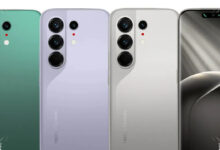
The gap looks sharper when compared with Android phones in lower and mid-range segments. With the same budget, buyers can find options such as the Galaxy A37 5G at around Rp5.5 million, which brings a 120Hz Super AMOLED display, a 50MP camera, and a large battery.
Android often offers more hardware for less
That price difference matters because many Android models are now packed with features that used to be tied to more expensive devices. High refresh rate screens, more varied camera setups, and solid performance are available at much lower entry points than Apple’s cheapest phone.
In the flagship class, the gap is less dramatic. The price difference between the iPhone 17 Pro Max and the Samsung Galaxy S26 Ultra is described as not being very wide, which makes the comparison more balanced at the top end.
The Apple ecosystem remains polished, but closed
Apple has opened up more over time. USB-C is supported, RCS with encryption is available, and limited compatibility with non-Apple devices such as Android is now part of the picture.
Even so, the smoothest experience still comes when every device belongs to Apple. Features like AirPods automatic switching, Handoff, Universal Clipboard, iMessage, and Find My work best inside Apple’s own ecosystem.
Long support helps, but not every path stays open
Apple has a strong record when it comes to software support. iOS 26 still supports the iPhone 11 and the second-generation iPhone SE, while older iOS versions such as 15 through 18 continue to receive security patches even when some devices no longer get new features.
The limitation appears when official support ends completely. iPhone users do not have an alternative operating system path, while Android users can sometimes extend device life through custom ROMs such as LineageOS.
Android can stretch device life further
That flexibility has a real impact for older hardware. Google’s first-generation Pixel, which launched in 2016, can still run Android 15 with security patches.
This kind of support path is not available on iPhone once Apple stops updating a device. For users who want to keep a phone running for as long as possible, that difference can matter just as much as raw performance.
Apps and subscriptions can cost more on iPhone
The spending gap does not stop at the device itself. iPhone users are generally more willing to pay for apps than Android users, and the share of free apps on Android is slightly higher.
That is not only about user habits. Apple takes a cut from in-app transactions, and developers often pass that cost on through higher subscription prices.
Developing for iOS can also require specific hardware such as a Mac, along with a US$99 annual developer membership. Together, those factors can keep app prices and subscription costs higher on iPhone than on Android.
For buyers who care most about the total cost of ownership, those differences can add up quickly. iPhone still has clear strengths in long-term support and ecosystem integration, but Android continues to look more practical for shoppers who want lower upfront prices, more device choice, and lighter app spending.