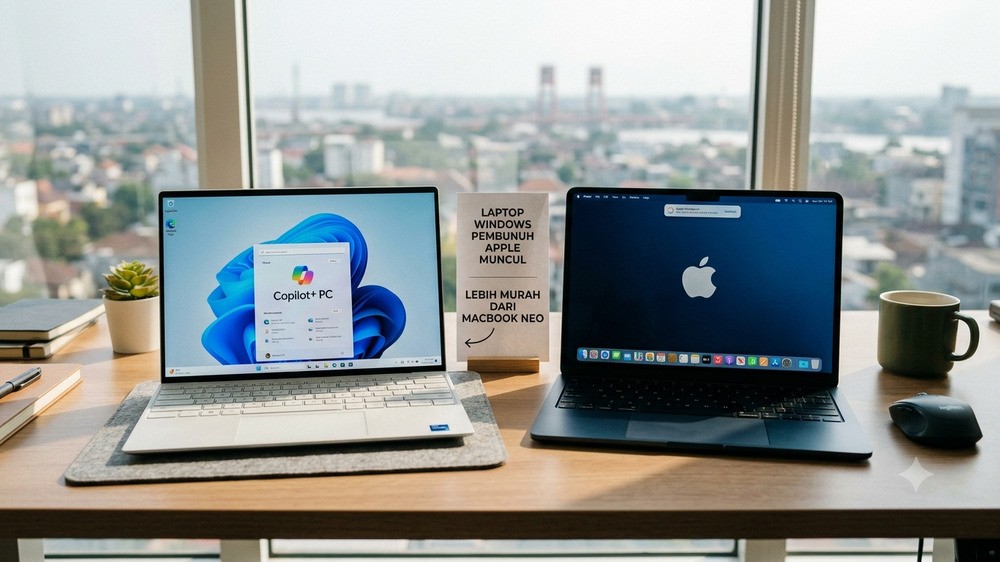
Dell is taking a sharper route in the premium laptop market by positioning its latest XPS 13 below the MacBook Neo on price. That move gives Windows a more aggressive opening in a category where design, portability, and brand image often matter as much as raw specifications.
The timing also puts pressure on Apple’s premium compact laptop strategy. With the MacBook Neo already in the market using the A18 Pro chip, Dell’s new approach signals that the XPS line is not only chasing performance, but also value.
Premium feel remains intact
Even with a lower price, Dell has not stripped away the traits that define the XPS family. The latest XPS 13 still uses a durable chassis built from high-quality metal with elegant glass touches.
It also keeps the thin and light form factor that has long made the series appealing to buyers who want a premium laptop without extra bulk. That matters in a segment where materials and finish can shape purchasing decisions just as strongly as technical specs.
Built for the AI era
Dell is also framing the new XPS 13 as a laptop ready for modern AI-based computing. The device is backed by a latest-generation processor architecture designed for efficiency and very long battery life.
Another key element is Copilot+ PC integration, which brings responsive on-device AI processing. That allows intelligent functions to run locally instead of relying only on cloud computing.
Why the price move matters
The more affordable pricing strategy changes how the XPS 13 competes. Dell is clearly targeting buyers who want a premium machine but still care about how much value they get for the money.
That positioning could appeal to students, college users, and young professionals in particular. They now have a premium Windows 11 option that combines flexibility, high performance, and a more compelling price profile.
A direct challenge to Apple
Dell’s latest move makes the rivalry with the MacBook Neo more intense. By keeping the premium identity of the XPS 13 while setting a lower price, Dell is trying to attract users who like high-end laptops but are not committed to Apple’s ecosystem.
The strategy also suggests that the battle in premium laptops is far from settled. With design, AI features, and pricing all being used as competitive weapons, the XPS 13 is emerging as a more serious threat in the thin-and-light flagship segment.
-

-

-

-