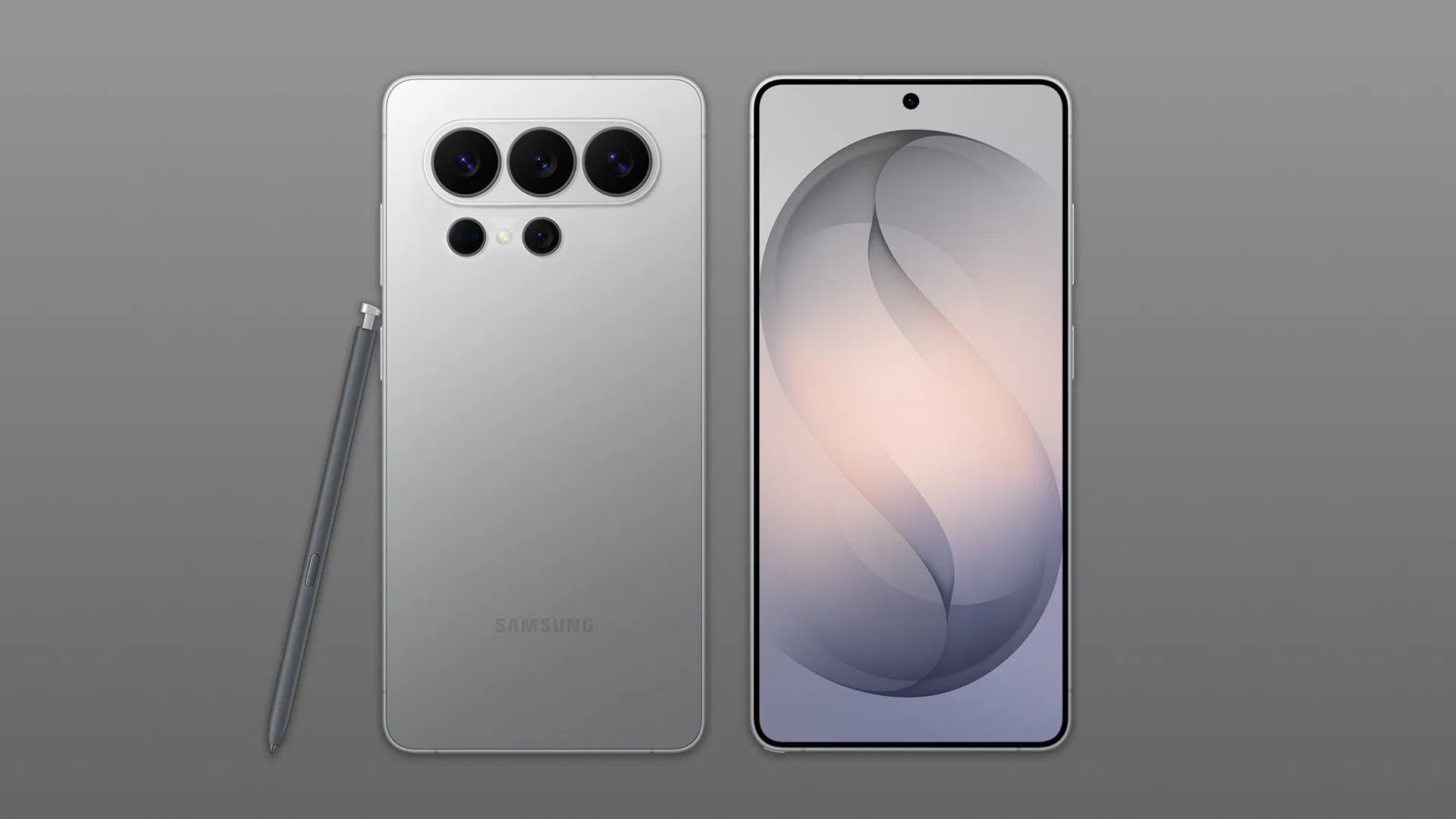
Samsung’s next Ultra model is already drawing attention for one reason above all else: the rumored Galaxy S27 Ultra appears set to combine a major design shift with a new-generation 2nm chipset. That pairing alone suggests the company may be preparing one of its most noticeable Ultra upgrades in years.
The information comes from tipster Debayan Roy on X, although Samsung has not announced anything about the device yet. Even so, the leaks point to a flagship that could stand out through performance, display changes, and a very different look on the back.
A new camera layout could define the phone’s identity


The most visible change is expected on the rear panel. Samsung is said to be moving away from the familiar vertical camera arrangement used on the Ultra line and replacing it with a horizontal camera deco.
That would be a significant visual shift for a series where the camera placement has become one of the easiest ways to recognize the model. If the leak proves accurate, the Galaxy S27 Ultra will look immediately different from its predecessor and signal a new design direction.
The front side is also said to receive a premium treatment. The phone is reportedly using a 6.9-inch flat LTPO OLED 2K display with M16, a panel associated with brighter output and more vivid color.
A flat display still makes sense for users who type often, play games, or rely on a stylus. It also keeps Samsung’s Ultra line aligned with a premium format that balances practicality and strong visibility.
2nm power and next-gen memory are part of the package
Performance may be the other major headline. The Galaxy S27 Ultra is tipped to run on the Snapdragon 8 Elite Gen 6 Pro, built on a 2nm process.
That would place the phone among the most advanced mobile platforms in Samsung’s next Ultra generation. A 2nm chip is typically watched closely because it can bring better efficiency while leaving room for stronger performance.
The same leak also points to LPDDR6 RAM and UFS 5.0 storage. Together, those components suggest faster data handling, better system responsiveness, and improved multitasking.
For a flagship device, that kind of memory upgrade can affect everyday use in very direct ways. Heavy apps, photo processing, video recording, and demanding games would all benefit from the faster hardware setup.
Camera hardware still looks serious
Even with a new rear layout, Samsung does not appear to be backing away from camera ambition. The Galaxy S27 Ultra is said to feature a 200MP HP6 main camera with Optical Image Stabilization, or OIS.
That main sensor would be joined by a 50MP ultrawide camera and a 50MP periscope camera with 5x zoom. The setup suggests Samsung is keeping the Ultra formula focused on versatility rather than narrowing the phone to one type of shooting style.
The 200MP main camera also reinforces how central high resolution remains to the Ultra identity. With OIS included, stability during shooting remains part of the plan, especially for still photos and handheld use.
Battery and connectivity are also getting attention
Power management appears to be improving as well. The battery is said to be larger and sit slightly below 6000mAh, although the exact figure has not been revealed.
That capacity would matter more if the device indeed ships with a 6.9-inch screen and top-tier silicon. In that context, the balance between battery size and chip efficiency could become one of the most important parts of the user experience.
Samsung is also reportedly preparing Qi2 magnetic charging support. That would expand accessory compatibility and offer a more modern approach to wireless charging.
On the wired side, the Galaxy S27 Ultra is said to support USB 3.2. For users who regularly move large files, including high-resolution video and large photo batches, that detail could be especially useful.
Taken together, the leak paints the Galaxy S27 Ultra as more than a routine refresh. A horizontal camera design, a 2nm chipset, a 200MP main camera, and next-generation memory all point to a flagship that could look and feel meaningfully different from the current Ultra generation.
Source: tech.sportskeeda.com