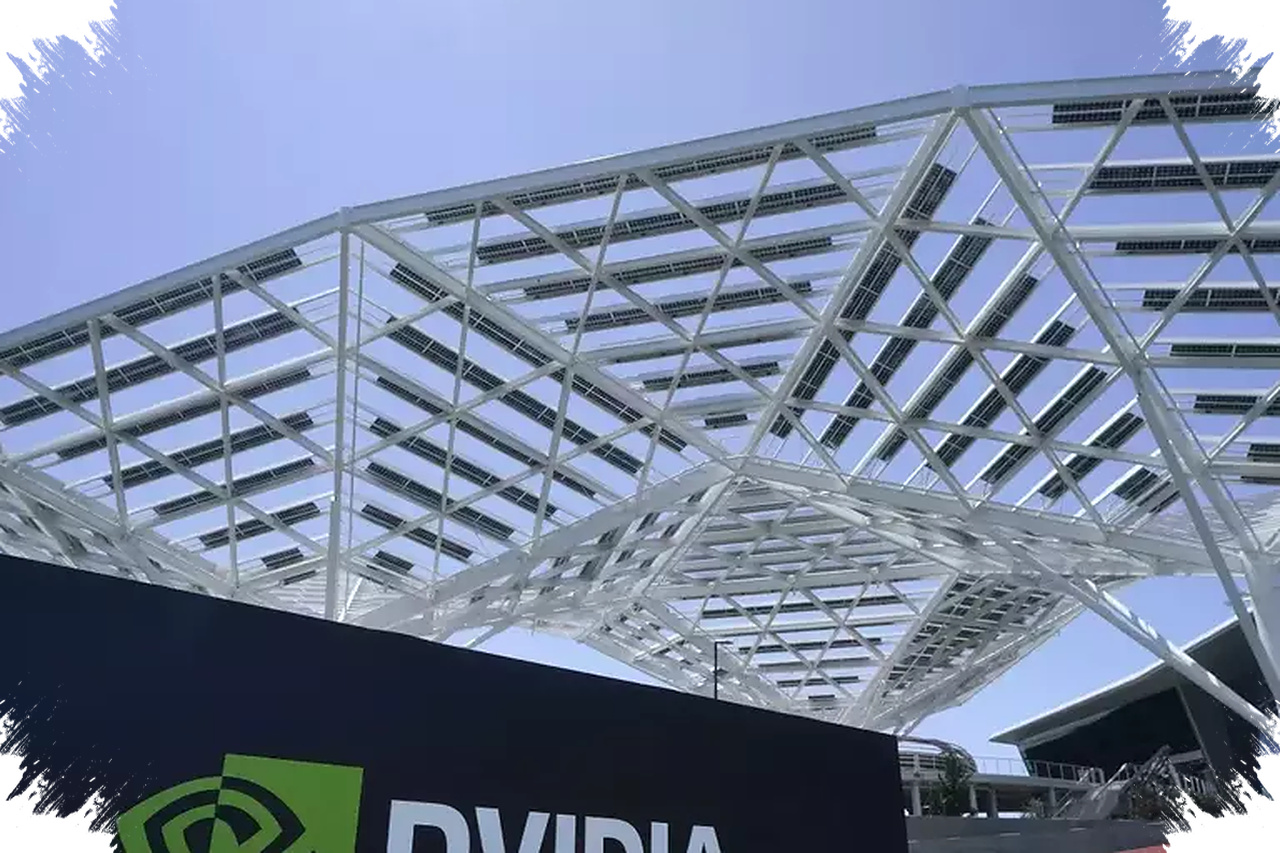
Nvidia is pushing artificial intelligence closer to the user by bringing it directly onto laptops and desktop PCs. The company’s newest chip, RTX Spark, is designed to reduce reliance on cloud processing for many AI tasks.
The announcement came from Nvidia CEO Jensen Huang during Computex 2026 in Taiwan. Huang said RTX Spark was developed through a three-year collaboration between Nvidia and Microsoft as part of a new era of AI-based computing.
AI workloads move onto the device
RTX Spark is meant to let AI agents run directly on a user’s computer. That approach reduces the need to keep sending data back and forth to distant data centers or cloud services just to complete AI-driven tasks.
The shift matters because more personal computing workloads can now be handled locally. If that model gains traction, laptops and desktops could take on a larger role in AI processing than they do today.
For users, the practical promise is a more independent AI experience. Tasks may run faster and with less dependence on an always-on cloud connection for certain functions.
A bigger signal for the PC market
Neil Shah, an analyst and founder of Counterpoint Research, said RTX Spark could significantly change how people use personal computers. He compared its potential impact to the way the iPhone and ChatGPT reshaped the technology industry.
That comparison reflects the scale of expectations surrounding local AI computing. If adoption widens, local processing may become a central factor in the next generation of PCs.
The shift also suggests that the personal computer market is entering a different phase. Performance will no longer be judged only by processor speed or memory size, but also by how well a device can handle AI tasks on its own.
Vera CPU extends Nvidia’s plan
Nvidia also introduced a new processor called Vera CPU. It is built to support next-generation AI agents that need stronger computing resources.
The addition of Vera CPU shows that Nvidia is not focusing on a single component. Instead, the company is building a broader hardware base so AI systems can work more independently on personal computers.
That strategy places Nvidia at the center of a possible shift in PC architecture. The goal is not only faster processing, but also a wider ability for laptops and desktops to manage increasingly complex AI workloads.
Toward the era of agentic AI
Huang said the industry is moving into the era of agentic AI. The term refers to AI systems that can operate more independently without needing constant user instruction.
That view aligns with comments from Qualcomm CEO Cristiano Amon, who described 2026 as the year of the AI agent. He said computers are still largely built to follow human commands, while the next stage will require AI to take action on its own and rely on stronger local computing power.
Taken together, these developments point to a broader change in how computers are designed. If more AI work happens on the device, continuous cloud dependence may become less important for some tasks.
RTX Spark places Nvidia directly inside that transition. With a focus on smarter and more autonomous devices, the chip is built to bring AI agents onto laptops and desktops themselves.
Source: www.beritasatu.com-

-

-

-