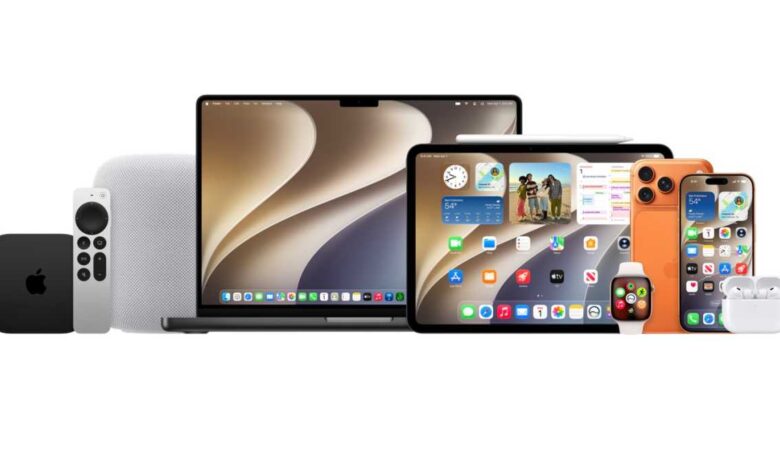
Apple’s latest compatibility map sends two very different signals at once. On one side, the iPhone 11 still clears the cut for iOS 27; on the other, Intel-based Macs are now fully left out of macOS 27 Golden Gate.
That split shows how firmly Apple is pushing its devices toward newer hardware. At the same time, the company is still allowing a wide range of older iPhones to continue receiving the next major software update.
iPhone 11 remains in the list
The biggest surprise for many users is the continued support for iPhone 11. First released in 2019, the model is now set to receive system support for roughly seven years from its debut.
Apple is keeping iOS compatibility broad across the iPhone line. iOS 27 is available for iPhone 17, iPhone 16, iPhone 15, iPhone 14, iPhone 13, iPhone 12, iPhone 11, and iPhone SE second generation and newer.
The eligible lineup also includes the iPhone 17 Pro Max, iPhone 17 Pro, iPhone Air, iPhone 17, and iPhone 17e. Other supported models include the iPhone 16 Pro Max, iPhone 16 Pro, iPhone 16 Plus, iPhone 16, iPhone 16e, iPhone 15 Pro Max, iPhone 15 Pro, iPhone 15 Plus, and iPhone 15.
Apple also keeps support open for the iPhone 14 Pro Max, iPhone 14 Pro, iPhone 14 Plus, iPhone 14, iPhone 13 Pro Max, iPhone 13 Pro, iPhone 13, iPhone 13 mini, iPhone 12 Pro Max, iPhone 12 Pro, iPhone 12, iPhone 12 mini, iPhone 11 Pro Max, iPhone 11 Pro, and iPhone 11.
Intel Macs are out
The Mac story is far less forgiving. Apple has drawn a clear line by excluding every Intel-based Mac from macOS 27 Golden Gate.
That means the update stops at macOS 26 Tahoe for Intel models, including MacBook Pro, MacBook Air, iMac, Mac mini, and Mac Pro. With this move, Apple is fully steering the Mac ecosystem toward Apple Silicon.
iPad support is narrowed further
The iPad side also shows a tighter compatibility policy. Apple appears to be prioritizing stability and performance by limiting which older tablets can move forward.
iPadOS 27 remains available for iPad Pro M4 and later, including iPad Pro 12.9-inch fourth generation and later, as well as iPad Pro 11-inch second generation and later. Support also extends to iPad Air 13-inch M2 and later, iPad Air 11-inch with M2, M3, and M4, and iPad Air fourth generation and newer.
The broader iPad list also covers iPad A16, iPad ninth generation and newer, iPad mini A17 Pro, and iPad mini sixth generation and newer.
Apple Watch faces a stricter threshold
Apple Watch support is also more selective under watchOS 27. The update is limited to Apple Watch Series 11, Series 10, Ultra 3, Ultra 2, and SE 3.
Apple Watch Series 9 and first-generation Apple Watch Ultra are no longer included. In addition, any Apple Watch that gets the update must be paired with an iPhone 11 or newer running iOS 27.
New Siri capabilities help explain the shift
The tighter requirements are tied to a major Siri AI upgrade. Apple’s assistant is now described as handling more natural conversations, understanding personal context, and recognizing objects through the camera.
Features that work across apps like that place heavier demands on NPU capability. That is why Apple appears to be narrowing support for older devices, aiming to keep performance stable and avoid complaints about slow operation or overheating.