Building a PC from scratch still has a strong appeal in an era dominated by thin laptops and all-in-one convenience. The attraction goes beyond the finished machine, because the process itself offers a rare mix of choice, challenge, and personal satisfaction.
For many enthusiasts, that is exactly why the hobby sticks. Each step feels deliberate, from selecting parts to assembling them into a system tailored to individual needs.
Total control over the build is the biggest draw
One of the main reasons people keep coming back to PC building is flexibility. Prebuilt systems usually come in fixed packages, with limited room for customization.
A self-built PC allows every component to be matched to budget and use case. Gamers can prioritize the graphics card, while video editors can focus more on the processor and RAM.
That freedom makes the final machine feel personal. For many users, a custom build better reflects their actual needs than a ready-made PC on the market.
The first successful boot delivers a rare sense of relief
Pressing the power button for the first time often becomes the most memorable moment in the entire process. After installing the motherboard, processor, RAM, storage, and a long list of cables, the system finally comes to life as expected.
For beginners, that moment can feel like finishing a major project. There is relief and pride in seeing separate parts turn into a working computer.
That feeling is often what keeps people hooked. Many return to build again because the satisfaction of that first success is hard to forget.
It feels like assembling a modern puzzle
For many fans, PC building resembles a puzzle with very precise pieces. Each component has its place, and the sequence matters.
The process starts with installing the processor, applying thermal paste, fitting the cooler, and organizing the cable routing. It requires care, but it is still approachable for people willing to learn.
That combination of challenge and calm is part of the appeal. Satisfaction comes when everything fits neatly and works exactly as intended.
It teaches how a computer works from the inside
Building a PC also gives users a clearer understanding of hardware. During the process, they learn what each component does and how the parts interact with one another.
That knowledge becomes useful later if problems appear. A PC that will not turn on, a processor that runs too hot, or declining performance is easier to diagnose for someone who has built a system before.
The benefit, then, extends beyond owning a new computer. It also builds technical knowledge that can remain useful for a long time.
The value can be stronger than the budget suggests
From a cost perspective, building a PC independently is often seen as more efficient. In some cases, users can get better specifications for the same money than they would with a prebuilt machine.
They can also choose parts that deliver the best performance for their budget without paying for features they do not need. Upgrades can then be made gradually over time.
For example, someone may start with a mid-range graphics card and replace it years later without buying an entirely new computer.
Community keeps the hobby alive
The appeal of PC building is strengthened by a highly active online community. Forums, social media groups, YouTube channels, and local communities regularly discuss new components, assembly tips, and unusual custom projects.
That environment makes the experience more engaging. People can share their builds, ask for advice, or talk about the latest hardware trends.
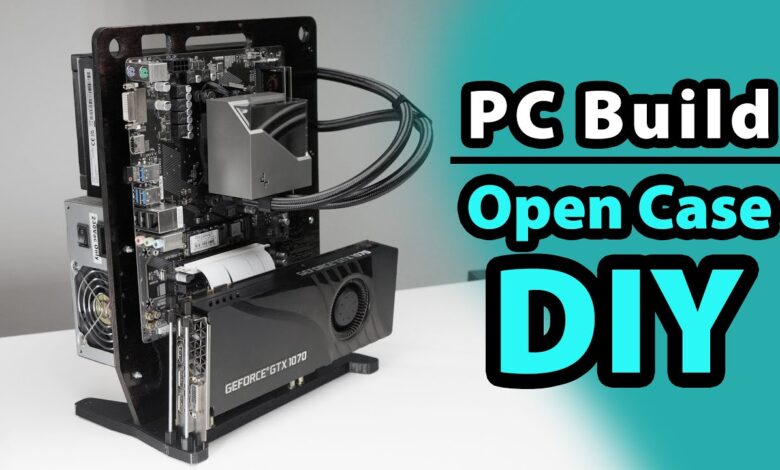
Many newcomers are also drawn in after seeing visually striking builds with RGB lighting or unique case designs. From there, PC building becomes more than a technical task, turning into a hobby that combines achievement, personalization, and community interaction.