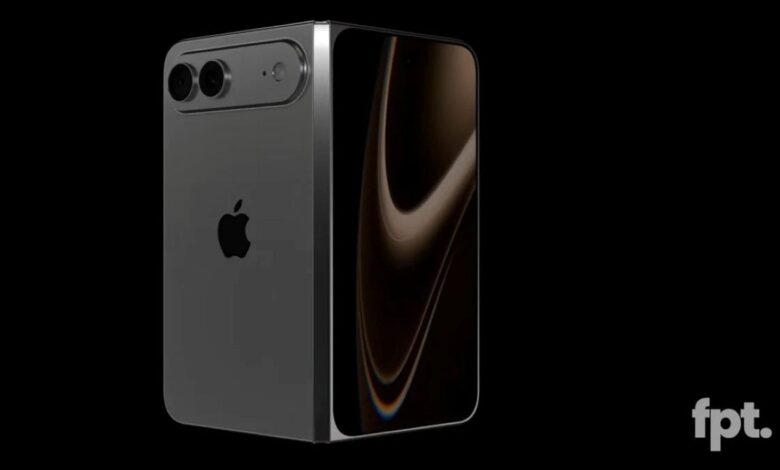
Apple’s WWDC 2026 did not mention iPhone 18 by name, but one technical requirement from the event is already shaping early expectations for the next generation of iPhone hardware. The clearest signal came from Apple’s most advanced on-device Siri AI features, which now appear to demand at least 12 GB of RAM.
That threshold matters because it separates current iPhone models into two clear groups. Devices that meet the requirement can access the full version of the new AI model, while lower-memory models may be left behind as Apple Intelligence becomes a bigger part of the iPhone experience.
A new memory floor for Apple Intelligence
Apple said its most advanced on-device AI system for speech and dictation needs a minimum of 12 GB of memory. In practical terms, that turns RAM into a gatekeeper for future AI features rather than a secondary specification.
According to the details shared around the rollout, iPhone 17 Pro and iPhone Air already meet that standard. The standard iPhone 17, however, still carries 8 GB of RAM and cannot run the full version of the new AI model.
This gap is important because Apple is pushing more intelligence directly on the device. On-device processing offers faster response times and stronger privacy, but it also requires more memory to handle larger models smoothly.
Why iPhone 18 is now part of the conversation
WWDC 2026 focused on software and the broader Apple ecosystem, not on a new iPhone announcement. Even so, the 12 GB minimum has been read as an indirect clue about where Apple may be heading with future hardware.
If Apple wants the next wave of Apple Intelligence features to feel more consistent across its lineup, increasing RAM on standard models would be a logical move. Without that step, the premium-versus-standard divide could become more visible as AI capability grows.
That is why iPhone 18 has entered the discussion so quickly. The speculation is not based on a design leak or benchmark result, but on Apple’s own technical requirement for its latest AI system.
Two Siri AI models, two levels of access
The conversation intensified after more details emerged about the new on-device Siri AI models. Reports describing device support say the system arrives in two versions, AFM Core and AFM Core Advanced.
AFM Core, with 3B parameters, is said to support iPhone 15 Pro and Pro Max, the iPhone 16 series, iPhone 17, iPads with M1 and newer chips, iPad mini with A17 Pro, Macs with M1 and newer chips, and Apple Watch. That spread shows Apple is widening the AI base across its products, but not giving every device the same level of capability.
| AI Model | Reported Device Support |
|---|---|
| AFM Core, 3B parameters | iPhone 15 Pro and Pro Max, iPhone 16 series, iPhone 17, iPad with M1 or newer, iPad mini with A17 Pro, Mac with M1 or newer, Apple Watch |
| AFM Core Advanced | Requires at least 12 GB RAM for the most advanced speech and dictation functions |
The split between the basic and advanced versions underlines a wider shift in how smartphone specifications are judged. Chipsets still matter, but memory is becoming just as important for AI-heavy features that run locally on the phone.
What this means for Apple’s product strategy
Apple’s direction suggests that on-device AI is no longer an experimental addition. It is becoming a central part of the user experience, and hardware choices now have to support that shift from the start.
That creates a clear challenge for Apple’s product planning. If the company wants to avoid making standard models feel outdated too quickly, it may need to raise memory levels more broadly across the lineup.
For now, Apple has not announced any iPhone 18 specifications. Still, the 12 GB RAM requirement for its most advanced Siri AI features already provides one of the strongest clues yet about the hardware direction that may define the next iPhone generation.