Intel appears to be preparing another desktop refresh for LGA 1700, and the move could extend the life of DDR4 far longer than many expected. The rumored lineup, referred to as Raptor Lake Next, is being watched closely because it fits a market that still favors affordability over a full jump to newer memory.
That matters at a time when DDR5 pricing remains high enough to keep many PC builders on older, cheaper platforms. For Intel, the appeal is clear: a mature socket with broad memory flexibility still has commercial value, even as the company pushes newer generations forward.
A platform that still makes financial sense
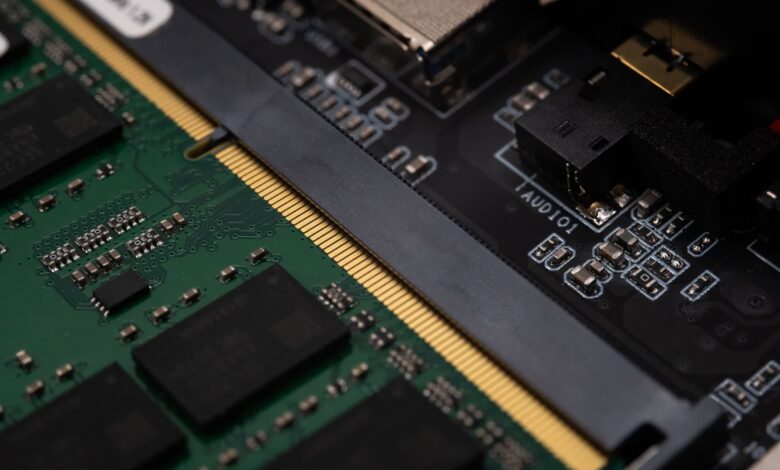
LGA 1700 remains unusual in Intel’s current desktop lineup because it supports both DDR4 and DDR5. That dual-memory advantage gives builders more room to control costs, especially for entry-level and midrange systems where RAM prices can influence the entire build plan.
Tom’s Hardware reported that Intel is working on a new refresh for the Raptor Lake family on LGA 1700. The “Raptor Lake Next” name is not confirmed as an official product label, but it is being used to describe a follow-on generation for the platform.
The reported direction suggests a continuation of the existing Raptor Lake Refresh approach rather than a major architectural shift. No detailed technical specifications have been disclosed so far, which leaves the exact positioning of the chip line open.
Why Intel may be keeping the socket open
The market context helps explain why this rumor has traction. High DDR5 prices have pushed some DIY buyers toward platforms based on DDR4, including Intel LGA 1700 and AMD AM4.
That behavior gives Intel a reason to keep LGA 1700 relevant instead of letting it fade quickly. The socket is still selling better than Intel’s newer Arrow Lake processors in some reports, which makes an additional refresh commercially easier to justify.
Motherboard vendors are also said to be increasing production of DDR4 boards again for both AM4 and LGA 1700. This suggests that the demand for lower-cost builds has not disappeared, even as the industry continues to move toward newer memory standards.
What the early leaks suggest
Tom’s Hardware said Raptor Lake Next is expected to arrive alongside Intel’s Nova Lake lineup at CES 2027. That timing would place it as a companion option rather than a replacement for the company’s newer platforms.
Additional details shared by the leaker Jaykihn on X narrow the picture further. He said the chips would use Raptor Lake silicon, not Bartlett Lake, and that the lineup is aimed at desktop systems as well as HX-class laptops.
Jaykihn also listed 125W and 65W TDP variants among the leaked information. Those power levels indicate that the platform would continue to serve performance-focused and mainstream desktop use cases.
| Reported Detail | What It Suggests |
|---|---|
| Raptor Lake silicon | The lineup is a continuation of Raptor Lake, not Bartlett Lake |
| Desktop and HX laptops | The product range may span multiple performance segments |
| 125W and 65W TDP | Both higher-performance and mainstream variants may be included |
| No new platform features mentioned | The focus appears to be refresh value rather than major innovation |
No major new features are expected
One of the most notable points in the leak is what Raptor Lake Next is not expected to bring. Jaykihn said the lineup would not add fresh platform features beyond Raptor Lake Refresh, unlike earlier refresh efforts that still carried more visible updates.
Features such as Wi‑Fi 7, Fast Throttle, and APO Tuning were specifically said not to be part of the new differentiating package. That makes the rumored line look less like a breakthrough and more like a practical extension of an existing ecosystem.
In that sense, the product’s value would likely depend on pricing, binning, and how Intel chooses to place it in the stack. Any performance uplift, if present, has not yet been confirmed by the available information.
What this means for buyers
For current LGA 1700 users, the rumor is a signal that the socket may not be reaching the end of its useful life just yet. Buyers who want to avoid a full DDR5 upgrade could still have another Intel path to consider.
For new PC builders, the broader message is just as clear. DDR4 is not disappearing from the desktop market quickly, and platforms that support it remain attractive when cost efficiency matters more than chasing the newest memory standard.
If Intel does move ahead with Raptor Lake Next, the launch would likely be judged less by new features and more by whether it offers a sensible bridge between old and new. For now, the story is not about a leap forward, but about how much longer an older socket can still matter.