


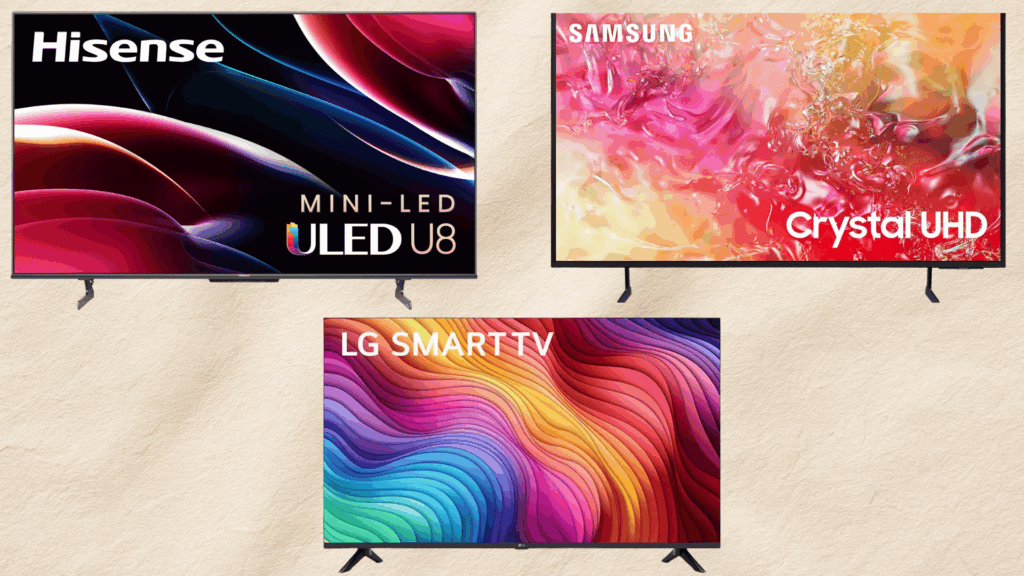
World Cup 2026 is shaping up to be the next major test in the MiniLED TV battle between Samsung and Hisense in North America. Counterpoint Research says the coming surge in spending could reshape a market that is already running extremely close.
The competition has shifted several times over a short period, and the timing matters. With promotions already underway since late April and demand expected to rise sharply in June, the tournament could decide which brand enters the second half of the year with the stronger hand.
A market that keeps changing hands
Hisense led the North American MiniLED TV market in 2025 with a 32% share, just ahead of Samsung at 31%. The balance changed quickly in the first quarter of 2026, when Samsung climbed to 40% and Hisense slipped to 27%.
That reversal gives Samsung a clear lead for now, but the gap may not stay fixed for long. Counterpoint expects the second quarter to bring another swing, largely because Hisense usually increases shipments during this period.
World Cup demand makes that shipment push more important than usual. The tournament gives consumers a stronger reason to upgrade to a larger screen or a newer display technology, especially when sports viewing is the main priority.
Hisense is leaning on sponsorship and product timing
Hisense is trying to turn its sponsorship status into sales momentum. The company is preparing RGB MiniLED TVs and the U7 series to match the wave of interest around the tournament.
That approach puts Hisense in a strong position in the more affordable part of the market. It is aiming to bring newer display technology to price points that can reach a broader base of buyers.
The strategy matters because major sports events do not only boost premium models. Many shoppers want a better viewing experience without stepping into the highest price tier, and that is where Hisense is pushing hardest.
If the company converts attention into purchases, the second quarter could offset the weaker start to 2026. The World Cup window may become the moment when its shipment strategy and sponsorship exposure finally work together.
Samsung is defending its lead with a wider playbook
Samsung is answering with a broader approach that stretches from premium to value-oriented sets. At the top end, it is using Micro RGB models, while MiniLED options cover the lower end of the lineup.
The company is also adding software-driven appeal. Features such as AI Soccer Mode and access to FIFA content are meant to make its TVs feel especially relevant for football fans.
Discounts remain another key part of Samsung’s defense. In a market where price promotions can sway buyers quickly, a strong brand backed by layered products and aggressive offers can be difficult to dislodge.
Samsung enters the tournament period from a position of strength. With a 40% share in the first quarter of 2026, it is the brand that others now have to chase.
Buyers are the real winners
Counterpoint’s view is that the real story is not just the current share split. The bigger question is which company can turn global sports excitement into sales volume before the moment passes.
That makes the coming weeks unusually important for North American TV buyers. Promotions have already started, and the expected June spike should bring more choice, more discounting, and a sharper contest across MiniLED models.
For consumers, the rivalry creates an unusual advantage. There are more reasons than usual to buy now, from sports-focused features to wider product ranges and stronger price competition.
Whether Hisense narrows the gap or Samsung extends it, the tournament is likely to intensify one of the most competitive segments in the TV market. The pressure may be highest for the brands, but the best deals may be waiting for the people shopping between them.