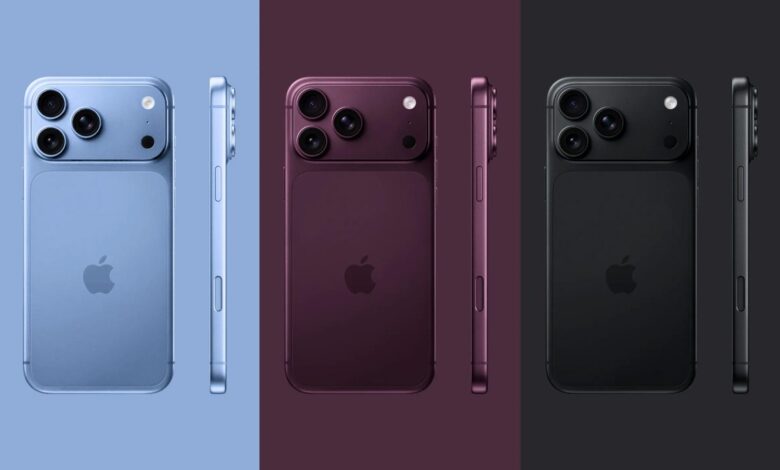
Apple is facing mounting pressure as soaring memory and storage costs make higher prices increasingly difficult to avoid. The concern is now centering on the iPhone 18 Pro and iPhone 18 Pro Max, which are scheduled to launch in September.
Tim Cook acknowledged the problem in an interview with the Wall Street Journal, saying Apple has tried to shield customers from rising costs for as long as possible. He also indicated that the strain on the supply chain has reached a point where further absorption is becoming harder to sustain.
Memory and storage are driving the squeeze
Cook said price increases are “unavoidable” amid sharp jumps in DRAM and NAND storage prices. Apple has long attempted to protect buyers from component inflation, but that buffer is now narrowing.
The issue is broader than the iPhone. Products such as the iPad, Mac, Apple Watch, and Apple Vision Pro all rely on DRAM and NAND, which means the same cost pressure can spread across Apple’s lineup.
At the same time, Apple is also adding more DRAM capacity to support AI features. That raises memory needs per device just as component prices are climbing, adding another layer of pressure to production costs.
Cook described the current market as an extremely unusual crisis and compared it to a once-in-a-century flood. He also said he had not seen anything like it in any area for more than 40 years.
Why the iPhone 18 Pro is under close watch
Apple has not named any product that will rise first, so there is still no official confirmation that the iPhone 18 Pro or iPhone 18 Pro Max will definitely cost more. Even so, those models are drawing the most attention because they are expected to arrive in September and typically carry higher specifications and greater memory demand.
Wall Street Journal reported that Apple may need a substantial price adjustment to defend its margins. That concern matters because Apple has built a reputation for protecting profitability even when component costs fluctuate.
TechInsights estimated that Apple may need to raise the iPhone 18 Pro price by around USD 270 to maintain current profit margins. The figure is not an official price, but it gives a sense of how severe the cost pressure has become.
A wider industry problem, not just an Apple issue
Apple is not alone in dealing with the crunch. Samsung, HP, Microsoft, Nintendo, and Valve have also discussed the impact of higher costs and stronger RAM demand in recent months.
The root of the shortage lies in global memory production. Samsung, SK Hynix, and Micron have continued to expand capacity, but much of the added output is being directed toward server chips used in AI data centers.
That leaves consumer devices competing with fast-growing AI infrastructure demand. In that environment, demand for consumer memory chips is expected to keep outpacing supply.
As long as that imbalance remains, DRAM and NAND prices are unlikely to return to normal quickly. Cook said the market needs both memory prices and supply to move back to healthier levels for consumer products.
For Apple customers, the message is clear: the risk of higher prices is no longer just speculation. Even without a formal list of affected products, the iPhone, iPad, Mac, Apple Watch, and Apple Vision Pro all sit in the path of rising component costs.