


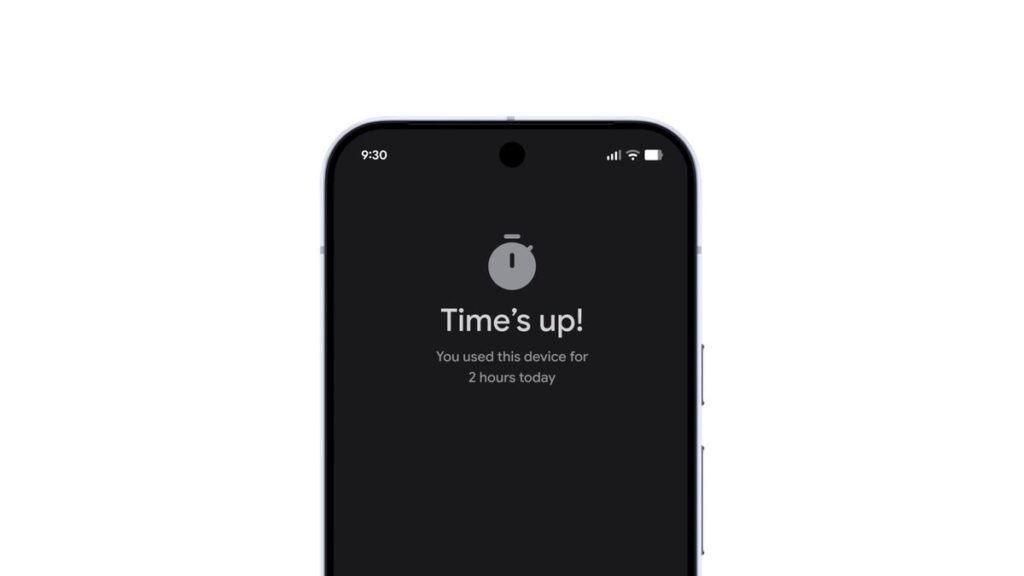
Google is broadening Android’s parental controls with Android 17, moving the feature beyond Pixel devices and making family supervision available to a much wider group of users. The update brings the system’s built-in controls closer to Google Family Link, creating a more centralized experience for parents.
The biggest change is the tighter integration inside Settings, where parental controls and Family Link tools now sit in one dedicated section. That layout makes the most important child-safety options easier to find, manage, and keep consistent across the device.
More control in one place
Parents can set daily screen-time limits for a child’s device and create downtime schedules that lock the device automatically at specific hours. Google is also adding app download restrictions based on content ratings, along with the option to block or limit access to selected apps.
Those settings are protected by a PIN, which helps prevent changes without permission. Google’s approach is designed to keep supervision effective even when a child has regular access to the device.
Android 17 also provides a direct path to Family Link, which expands access to additional tools. Through that service, families can use features such as School Time, Google Play purchase approval, location alerts, and other family management options.
Google pushes a broader safety agenda
The company is pairing the Android 17 rollout with a larger digital wellbeing push in the United States. Google says it is increasing its digital wellbeing funding in the country to more than $50 million.
That funding is intended to support healthier technology habits and help address social isolation among children and teenagers. In practice, Google is framing parental controls as part of a wider effort around online safety and digital wellbeing, not just as a device-level setting.
For many families, the change should simplify everyday supervision. Screen-time management, app restrictions, and Family Link tools are now positioned closer to the main device controls, which should reduce the need to hunt through separate menus.
A sign of rising competition
Google’s move comes as major tech companies continue to add more parental supervision tools across their platforms. The focus across the industry is shifting toward giving parents stronger control over how children use connected devices.
Apple introduced new parental control features at WWDC 2026 for iOS 27, iPadOS 27, and macOS 27. Those tools include Ask to Browse for website access approval, an expanded Ask to Buy system for app downloads and purchases, Time Allowances for category-based screen time management, and stronger communication safety protections for younger users.
Apple said those features will arrive later this year. Google, meanwhile, is emphasizing deeper Android integration and broader availability across the devices that run Android 17.
That wider rollout matters because Android’s ecosystem is far more diverse than Pixel alone. With parental controls available across Android 17 devices, more families can rely on a consistent set of supervision tools without being tied to a specific phone model.
Google has not positioned the update as a standalone add-on. Instead, it is being built into the Android 17 experience itself, complete with quick access to Family Link and PIN protection for family settings.