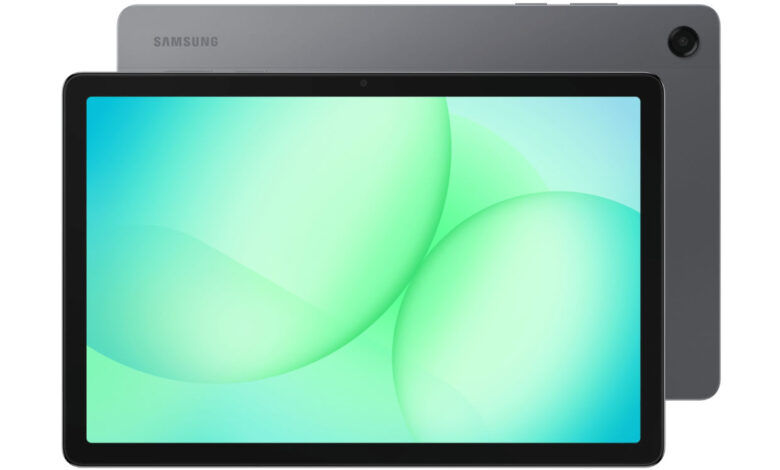
Budget tablets are no longer limited to streaming videos or handling light apps. In the 1-million-rupiah class, several models now bring AI features, larger displays, bigger batteries, and mobile data support that make them far more versatile.
That shift matters for buyers who need an extra device for school, light work, or everyday entertainment. The lineup also comes from a mix of brands, including Samsung, Motorola, and local maker Advan.
1. Samsung Galaxy Tab A11 brings AI into the entry-level segment
Samsung Galaxy Tab A11 is one of the biggest surprises in the affordable segment because it already includes AI features. One of its most notable functions helps solve math problems through Samsung Notes.
Users can simply write a problem by hand, and the system recognizes it and helps provide an answer. At the entry level, capabilities like this are usually reserved for more expensive devices.
The tablet uses an 8.7-inch display with a 90 Hz refresh rate, while Dolby Atmos support adds extra comfort for entertainment. Daily performance relies on the MediaTek Helio G99 chipset, which is enough for browsing, online learning, social media, and light gaming.
2. itel VistaTab 11 focuses on education and family use
itel VistaTab 11 is aimed at users who want a tablet for education. It includes AI-based learning features that can read text from physical books through the camera.
The tablet can also help correct math answers and translate different languages. That makes it useful for both home study and school activities.
It comes with a 10.1-inch screen and a 6,000 mAh battery, while parental controls help make it safer for children.
3. Motorola Moto Pad 60 Lite pushes the entertainment angle
Motorola Moto Pad 60 Lite targets users who want a more comfortable entertainment experience. It offers a 10.1-inch Full HD display that suits movies and digital content.
Audio is another major selling point because the device supports Dolby Atmos with stereo speakers. Motorola also adds Smart Connect, which lets the tablet connect with a smartphone and a computer.
4. Redmi Pad SE 8.7 puts mobility first
Redmi Pad SE 8.7 is built for users who value portability. Its light body makes it easier to carry and comfortable for longer use.
The tablet features an 8.7-inch display with a 90 Hz refresh rate and a 6,650 mAh battery. Redmi also equips it with protection against dust and light splashes.
5. Honor Pad X7 and Advan Tab VX Neo strengthen the practical side
Honor Pad X7 stands out with a 7,020 mAh battery, one of the largest in its class. That capacity makes it appealing for users who travel often and need longer endurance.
Its 8.7-inch screen includes eye protection, and Split Screen support lets two apps run at the same time for lighter productivity tasks.
Advan Tab VX Neo shows that local tablets still have a place in the budget market. Its main advantage is dual-SIM support with 4G LTE connectivity, which keeps the tablet active without depending on WiFi.
With a 10.1-inch display and expandable storage, the device is suitable for study and small business use. INOI Tab 2 adds another practical option with a longer warranty than many rivals, plus a 10.1-inch display, 4G LTE, GPS, 4 GB of RAM, and a microSD slot.
The budget tablet race in 2026 looks increasingly crowded, and buyers can now choose based on AI tools, learning features, large-screen entertainment, or devices that stay connected on their own.