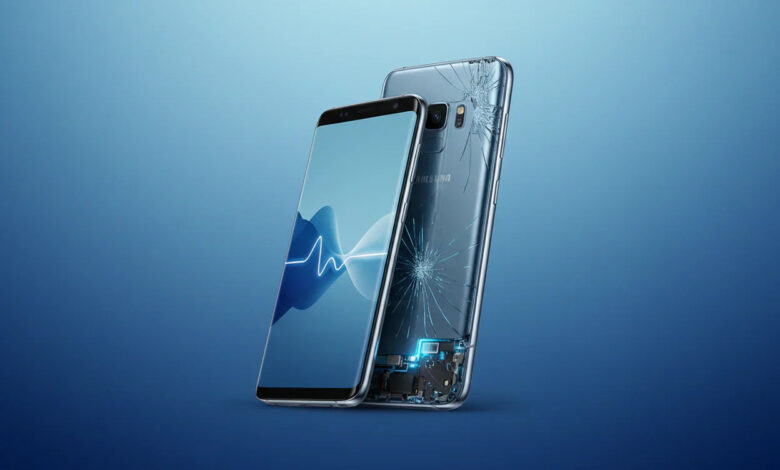
A cheap Samsung used phone can look like a smart purchase until the screen turns out to be a replacement panel of questionable quality. That risk is especially important for AMOLED models, where fake parts are now made to resemble the original more closely.
Because the screen is one of the most frequently swapped components in the secondhand market, buyers need to check more than the asking price. A quick visual inspection can help avoid a costly mistake after the transaction is already done.
1. Check Color Output and Brightness
An original Samsung display usually delivers vivid, sharp, and consistent colors. A counterfeit screen often looks dull because it uses lower-grade materials.
Brightness can also reveal a lot. When set to maximum, an authentic panel generally stays bright and stable, while a fake one may appear dim or uneven.
2. Test Touch Response
Genuine Samsung screens usually respond smoothly and precisely to touch. On a fake panel, the touch sensor can feel less accurate, with movements that seem delayed or do not follow commands properly.
A simple test can be done with an app or a game that requires fast taps. If typing, opening apps, or switching menus feels delayed, the screen quality deserves closer attention.
3. Inspect Thickness and Bezel Finish
Fake screens are often thicker than the original version. That difference may be easy to miss because the front view can still look normal at first glance.
The frame and bezel around a replacement panel can also look less neat and may peel more easily. Careful side-view inspection is important when examining a used device.
4. Look for Production Codes and Logos
Original screens usually carry production codes and a Samsung logo on the back or in certain corner areas. On a counterfeit part, these marks may be missing or printed with blurry quality.
A logo that rubs off easily is another strong warning sign. For that reason, the physical check should cover every visible part, including the inside of the casing if needed.
5. Evaluate Image Quality and Viewing Angles
Authentic panels generally keep images clear and consistent even when viewed from the side. Fake screens often shift color or appear blurry as the viewing angle changes.
Image details on an original display also remain precise without distortion, whether it is used for video or gaming. If the picture loses clarity or the colors change quickly from different angles, the panel should be treated with suspicion.
In the secondhand market, the safest move is to inspect the screen directly before buying. A low price is not always worth the risk if the main component is not original.