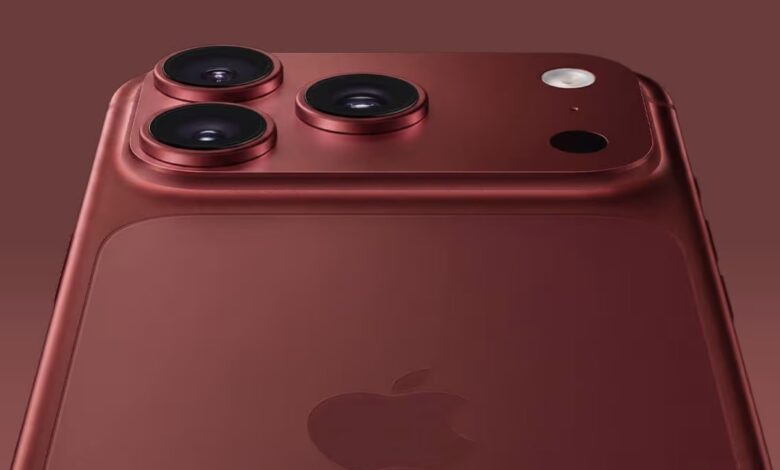
The price of the iPhone 18 Pro may end up far below the most alarming forecasts. A J.P. Morgan note, summarized by Max Weinbach on X, suggests that Apple could limit price increases across the iPhone 17, 18, and 19 lineups to about $50.
That view offers a calmer counterweight to market fears about rising component costs, especially memory. Tim Cook told The Wall Street Journal that price increases were “unavoidable” and described the memory chip crisis as a “hundred-year flood,” but he did not single out the iPhone 18 Pro or give a specific number.
Why the worst-case pricing scenario looks so steep
The cost pressure on iPhone components is real. TechInsights data, as cited by the WSJ and summarized by MacRumors, suggests DRAM costs for iPhone-class chips could rise from about $39 to $145.
NAND storage is also expected to climb sharply, from about $13 to $51. Under that model, the total bill of materials increases by roughly 25%, from $582 to $726.
To preserve a gross margin of about 47%, Apple would theoretically need to price the phone around $1,371. Even so, Apple is known for keeping headline pricing tidy, which makes $1,299 a more likely figure in that severe scenario.
J.P. Morgan sees a smaller increase
J.P. Morgan takes a more restrained view. The bank believes the iPhone 18 Pro is unlikely to rise by as much as the market fears and could instead land $50 to $100 above the current Pro price.
Using the iPhone 17 Pro price of $1,099, that would place the iPhone 18 Pro in the $1,149 to $1,199 range. That estimate also aligns with expectations from analysts Ming-Chi Kuo and Jeff Pu, who both think Apple may still be able to limit the increase through internal strategies.
Apple may offset costs in other ways
J.P. Morgan believes Apple can absorb part of the memory cost pressure through internal savings. One possible source of savings is a shift to Apple’s own modem hardware, which would replace third-party components.
Jeff Pu has also suggested that Apple may keep the base Pro price flat while passing some of the increase to higher storage variants. Under that approach, the entry price would stay closer to $1,149–$1,199 rather than jumping much higher toward $1,299.
New camera hardware adds pressure, but not the whole story
Another cost factor is the new variable-aperture camera. According to Ming-Chi Kuo, that component could make the camera system about 50% more expensive than the previous generation, which opens the door to pricing near $1,399 or even higher.
Apple, however, often behaves differently from raw component math suggests. The company has frequently kept headline prices stable when parts become more expensive, then protected margins through internal efficiency and pricier storage options.
Market signals still point toward the middle ground
J.P. Morgan also raised its Apple price target to $315 on expectations of strong iPhone 18 demand. That move suggests institutional investors are leaning toward a moderate pricing scenario rather than an extreme jump.
Cook’s own comments remain cautious. He said Apple is working “to mitigate” the increase, reinforcing the idea that the company still has room to keep the final price below the most severe forecasts.
For now, the key figure to watch is not the rumored $1,399 level, but the $1,149–$1,199 range if J.P. Morgan proves correct. With the iPhone 18 Pro expected in September 2026, there is still plenty of time before the final price becomes clear.