


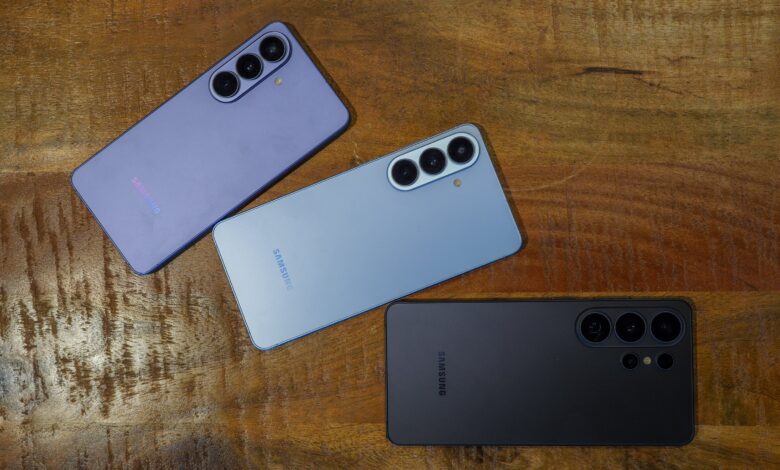
The choice between Samsung Galaxy S26 and Galaxy S26+ comes down less to raw performance than to daily comfort. Both models share the Exynos 2600 chipset on a 2nm process, Galaxy AI support, and the ambient island design, but their practical experience is shaped by size, battery, and charging speed.
That difference matters most for users in Indonesia who want a flagship phone without compromising on portability or screen space. Samsung is effectively offering two versions of the same high-end platform, each aimed at a different style of use.
Two flagship phones, two different priorities
The Galaxy S26 uses a 6.3-inch display and a 4,300 mAh battery. The Galaxy S26+ steps up to a 6.7-inch display and a 4,900 mAh battery.
On paper, those numbers may look modest, but they shape the entire experience. The smaller model is easier to hold, while the larger one gives users more room for video, gaming, and multitasking.
| Model | Display | Battery | Charging |
|---|---|---|---|
| Galaxy S26 | 6.3 inches | 4,300 mAh | 25W wired |
| Galaxy S26+ | 6.7 inches | 4,900 mAh | 45W wired |
Galaxy S26 is also lighter at around 167 grams, which makes it more practical for one-handed use and easier to carry during travel. For users who spend much of the day commuting, that lighter body may be the deciding factor.
Where the S26+ pulls ahead
The larger battery gives Galaxy S26+ more breathing room during heavy use. When used for gaming or Galaxy AI multitasking, it is said to last about 1.5 to 2 hours longer than the Galaxy S26.
Charging speed is another clear advantage. The 45W wired charging on Galaxy S26+ makes it a better fit for people who need to top up quickly between meetings, trips, or long work sessions.
For streaming, gaming, and content editing, the larger screen of Galaxy S26+ adds another layer of comfort. It also feels more suitable as a primary device for users who keep many apps open at the same time.
Where the Galaxy S26 makes more sense
Galaxy S26 is the more compact option for users who prioritize portability over screen size. It suits people who reply to messages, scroll social media, and manage daily tasks with one hand.
It also offers the same flagship 2nm performance and AI features as the Galaxy S26+, without the added bulk. For buyers who value a practical form factor, that balance may be more appealing than the larger model’s extra stamina.
Samsung’s approach is clear: Galaxy S26 focuses on convenience, while Galaxy S26+ leans into endurance and media use. The difference is small in specifications, but it can be decisive in everyday use.
For users who want a phone that feels light and easy to handle, the Galaxy S26 stands out. For those who need a larger display, a bigger battery, and faster charging, the Galaxy S26+ is the more comfortable long-term choice.