


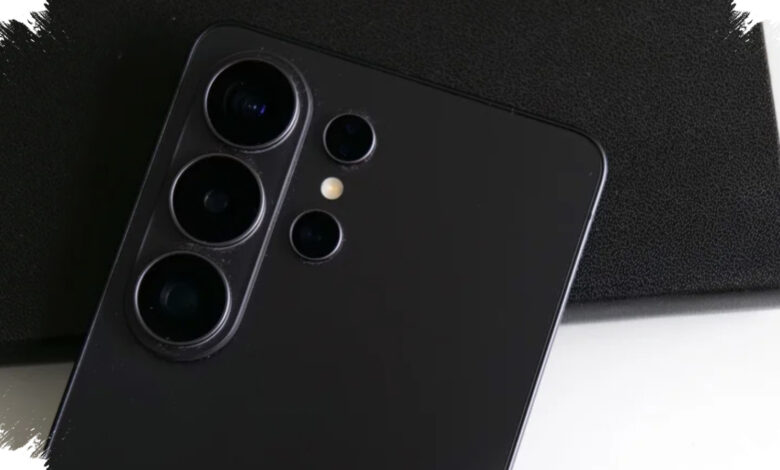
Samsung says the reddish display reported by some Galaxy S26 Ultra owners is not a hardware failure in the OLED panel. The company is preparing a software update intended to correct the screen’s color balance.
The explanation addresses concerns raised after red and magenta hues began appearing on some units following the phone’s launch. Because the abnormal color was visible directly on the display, users had questioned whether the panel itself was damaged.
For now, the promised fix has not been released to users. Owners affected by the issue must wait for Samsung to make the software update available.
Samsung advises users to visit a service center if the color shift is particularly disruptive and they need assistance sooner. This remains the available option before the official update can be installed.
Strong Ambient Light Is Said to Affect Color Balance
A Samsung executive explained that the OLED display’s color balance can shift toward red when exposed to strong ambient light. Samsung’s planned correction is therefore focused on adjusting the color response through software.
This places the issue in a different category from a confirmed physical OLED panel defect. Samsung’s position is that the display behavior can be remedied without replacing the screen component.
| Situation | Samsung’s Position | Available Action |
|---|---|---|
| Red or magenta display tint | Not considered OLED hardware damage | Wait for the software update |
| Strong ambient light exposure | Color balance may shift toward red | Software color correction is planned |
| Issue is severely disruptive | Update is not yet available | Visit a Samsung service center |
Early Concerns Focused on the Display Hardware
Reports of the issue circulated online shortly after the Galaxy S26 Ultra was released, according to GSMArena. The unusual tint understandably led some users to suspect a hardware problem.
Attention had also turned to the first-generation Privacy Display OLED used in the device. Samsung’s statement, however, links the behavior to color response under particular lighting conditions rather than a failed panel.
Several details remain unexplained. Samsung has not clarified why the issue appears only after the device has been used for some time.
The company has also not explained why the red or magenta tint may be visible only in certain parts of the display. That uneven pattern was one reason the reports initially appeared consistent with a physical screen issue.
What Galaxy S26 Ultra Owners Can Do
Owners of the Samsung Galaxy S26 Ultra can monitor Samsung’s software update availability while waiting for the correction. The update is expected to address the color balance behavior when lighting conditions trigger the shift.
Users who prefer not to visit a service center can wait for the official release. Those who find the display change difficult to tolerate can seek support before the software fix arrives.
Samsung’s clarification means the reported red tint should not automatically be treated as a damaged OLED display. Even so, the company has yet to provide a detailed account of the issue’s timing and its appearance in specific screen areas.