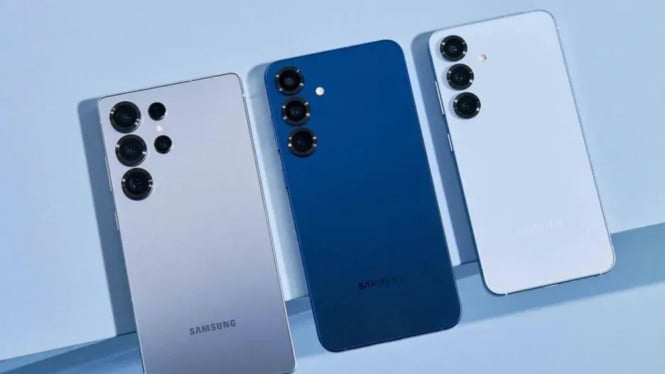
Samsung is preparing to launch the Galaxy S26 series in early 2026, bringing a major breakthrough in smartphone technology. This new flagship model promises a transformative user experience through three key innovations: advanced AI, a custom 2nm chip, and significant camera enhancements.
According to Daniel Araujo, Samsung’s VP of Mobile Experience, the Galaxy S26 is not just a typical upgrade but a generational leap that redefines how users interact with their smartphones. Early benchmark leaks already suggest that this device might challenge Qualcomm’s dominance and mark a resurgence of Samsung’s own Exynos chipset.
Next-Generation AI for Smarter Interaction
Samsung is redesigning its AI system to act more like a human assistant. The new AI learns usage patterns, preferred content types, and even camera lighting preferences based on location and time. This context-aware AI anticipates users’ needs, such as automatically enabling battery-saving mode during commutes or suggesting ideal camera filters for outdoor scenes.


The AI system integrates deeply into the operating system, enhancing personalization and efficiency. This approach aims to simplify daily interactions, making the Galaxy S26 feel more intuitive and responsive than ever.
Exynos 2600: Samsung’s First 2nm Custom Chip
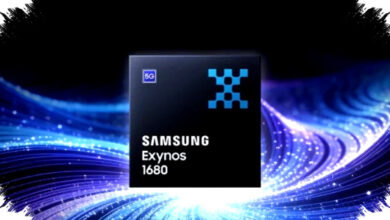
The heart of Galaxy S26’s performance lies in the Exynos 2600 processor, Samsung’s second-generation custom chip produced with cutting-edge 2nm fabrication technology. This represents a leap from the previous 3nm chips, delivering 30-40% better power efficiency and significantly higher CPU and GPU performance at lower temperatures.
This new chip promises longer battery life even during intensive AI workloads. Previously criticized for overheating and inefficiency, the Exynos line may finally dethrone Qualcomm’s Snapdragon with this advancement.
Camera Hardware Gets an AI-Powered Boost
While exact sensor details are still under wraps, Samsung confirms that the Galaxy S26 will feature a stronger hardware setup supported by AI-driven capabilities. Users can expect real-time contextual image processing, smarter digital zoom powered by machine learning, and advanced video stabilization adapting to user movement.
These improvements suggest the Galaxy S26 could become the leader in mobile photography and videography for 2026, setting new industry benchmarks.
Dual Chip Strategy Remains: Exynos vs Snapdragon
Samsung will continue its dual-chip approach by deploying the Exynos 2600 globally—including Europe, Asia, and Africa—while Qualcomm’s Snapdragon 8 Elite Gen 5 will power devices in the U.S., China, and selected markets. Araujo states that the company is still fine-tuning chip allocation, but Exynos aims to equal or surpass Snapdragon in both efficiency and AI performance.
Impressive Early Performance Benchmarks
Leaked Geekbench results reveal the Galaxy S26 prototype achieving a single-core score of 3,455 and a multi-core score of 11,621. These figures surpass the Snapdragon 8 Elite Gen 5’s typical scores of around 3,200 (single-core) and 10,800 (multi-core), indicating a possible victory for Samsung’s Exynos in raw performance.
Design and Launch Timing Still Under Wraps
Samsung has yet to disclose the Galaxy S26’s design details, including whether the popular Edge variant with a curved screen will return. However, rumors suggest a redesigned camera module and slimmer frame. Production reportedly remains on track despite minor delays, with an expected release in January or February 2026.
Samsung’s bold approach with the Galaxy S26 signals a shift from traditional smartphones to intelligent digital assistants. The integration of a first-ever 2nm chip, smarter AI, and enhanced cameras will likely deliver faster performance, longer battery life, and a deeply personalized user experience.
With these advancements, Galaxy S26 is poised to lead the smartphone market and redefine user expectations for years to come. The coming year looks set to be exciting for mobile technology enthusiasts worldwide.