


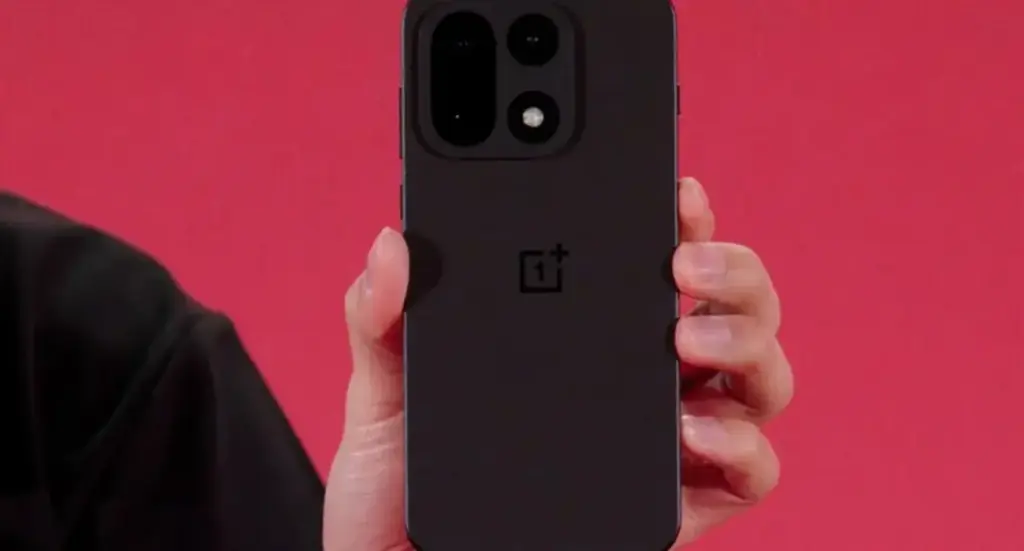
OnePlus 15 is set to become a top contender for users prioritizing gaming performance. It is equipped with the Snapdragon 8 Gen 4 chipset, designed specifically to handle demanding mobile games efficiently. The phone’s advanced vapor chamber cooling system helps maintain optimal temperatures during long gaming sessions, preventing thermal throttling and performance drops.
The display on OnePlus 15 supports a Fluid AMOLED panel with a 120Hz refresh rate and a 360Hz touch sampling rate. This combination enhances responsiveness and offers smooth visuals, which are critical for competitive gaming. Additionally, the device features a dedicated gaming mode that optimizes system resources and minimizes distractions by managing notifications smartly.
Battery life is another highlight supporting extended gaming sessions. OnePlus 15 houses a large 5,500mAh battery with ultra-fast 150W charging technology. This fast charging allows users to quickly recharge during short breaks, which is practical for gamers who need endurance and convenience.
In contrast, the Samsung Galaxy S25 Ultra targets users focused more on productivity than gaming. It maintains the inclusion of the S-Pen stylus, a key tool for professional workflows and creative tasks. Samsung’s ecosystem emphasizes multitasking through features like Samsung DeX for desktop-style usage and enhanced integration with Windows via Link to Windows. These tools boost efficiency in professional environments.
The S25 Ultra’s Dynamic AMOLED 2X display includes Vision Booster technology, delivering peak brightness levels of up to 2,500 nits. This makes the screen excellent for working outdoors or in varied lighting conditions, and it supports HDR10+ for accurate color representation—important for content creators and professionals. Its higher screen aspect ratio provides additional screen real estate for split-screen operations.
Samsung also equips the Galaxy S25 Ultra with a versatile quad-camera setup led by a 200MP primary sensor. These cameras support AI-enhanced photography and 8K video capture, catering to creators who need high-quality visuals directly from their smartphones. Productivity features extend to deep app integrations with office suites, positioning it as an all-in-one work device.
Software distinctions further separate the two flagship models. OnePlus uses OxygenOS, renowned for a clean and responsive user interface preferred by gamers for its speed and minimal bloat. Samsung’s One UI focuses heavily on productivity features and offers a mature ecosystem integration with long-term software support and extensive service network.
Price-wise, OnePlus 15 generally enters the market at a more competitive point compared to Samsung’s Ultra series. Although Samsung commands a premium price, it provides additional long-term value through software updates and a wider service infrastructure.
Emerging competitors like the Motorola X70 Ultra, which also features the Snapdragon 8 Gen 4+, intensify the flagship race in the premium segment. This competition benefits consumers by offering specialized options tailored for gaming or productivity with the latest chipset innovations.
The shift in flagship strategies shows a market leaning toward specialization rather than just peak specifications. This segmentation reflects how consumers are becoming more discerning based on their main usage scenarios.
Both OnePlus 15 and Samsung Galaxy S25 Ultra are anticipated to launch in the first quarter of 2026. Their releases will likely highlight how tailored hardware and software approaches can meet distinct user needs within the premium smartphone space.
As smartphones evolve, brands like OnePlus and Samsung epitomize different ends of the spectrum—gaming-centric performance versus productivity-driven versatility. Consumers now have the advantage of choosing devices closely aligned with their daily priorities.