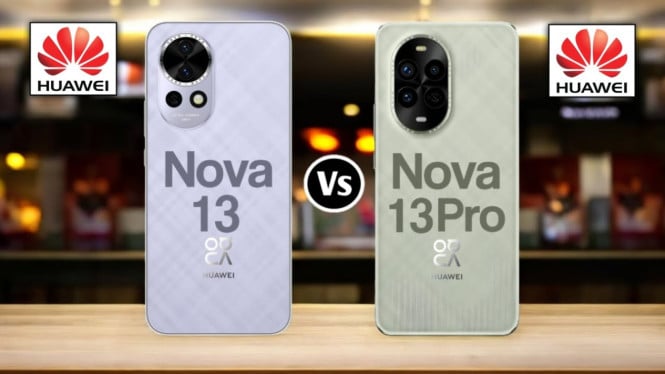
Huawei has released two compelling models in its mid-range premium segment: the Nova 13 and Nova 13 Pro. Both phones focus heavily on camera performance and digital entertainment, targeting users who prioritize photography and multimedia experience. This comparison highlights their camera capabilities and features to help buyers decide which model suits their needs best.
Design and Handling Differences
The Huawei Nova 13 is built with a modern, lightweight design. Measuring 161.4 x 75.3 x 7 mm and weighing 195 grams, it offers a comfortable grip suitable for daily use. It has splash and dust resistance, giving users decent protection for typical environments. In contrast, the Nova 13 Pro has a slightly larger body at 163.4 x 74.9 x 7.8 mm and weighs 209 grams. Its premium appeal is enhanced by an IP65 certification, providing better protection against dust and water splashes, useful for more rugged or outdoor activities.
Screen Quality and Visual Experience
The Nova 13 features a 6.7-inch OLED screen with a resolution of 1084 x 2412 pixels and a 120 Hz refresh rate. This setup ensures sharp visuals and smooth performance, ideal for social media, video streaming, and multitasking. Meanwhile, the Nova 13 Pro offers a 6.76-inch LTPO OLED display with a higher resolution of 1224 x 2776 pixels. The LTPO technology allows adaptive refresh rates, optimizing power consumption based on content. This translates to a more premium viewing experience with slightly larger screen real estate, beneficial for users who watch movies or work on the go.
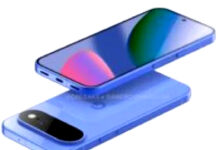

Camera System: Key Differences
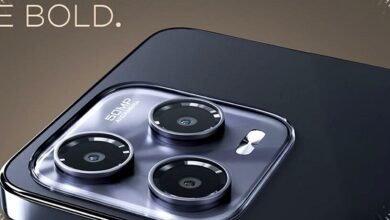
The camera system is the core focus when comparing these two models. The Nova 13 carries a dual-camera setup with a 50 MP main sensor featuring an f/1.9 aperture and PDAF, plus an 8 MP ultra-wide lens. This setup delivers sharp details in bright settings and decent low-light performance for a mid-range device. The ultra-wide camera covers broader scenes adequately.
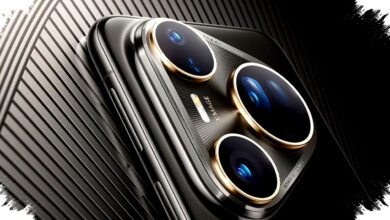
The Nova 13 Pro steps up with a more advanced camera array. It sports a 50 MP main sensor with an adjustable aperture ranging from f/1.4 to f/4.0, supported by OIS and PDAF for enhanced image stabilization and sharpness. Additionally, a 12 MP telephoto camera with 2x optical zoom adds significant versatility for distant subjects. The 8 MP ultra-wide lens rounds out the system, enabling diverse shooting options suitable for various photography styles.
Front Cameras for Selfies and Content Creation
On the front, the Nova 13 offers a 60 MP ultra-wide selfie camera with a 100-degree field of view. This high resolution and wide angle appeal to content creators who want detailed group shots or expansive backgrounds. The Nova 13 Pro includes a dual-camera front setup: a 60 MP ultra-wide sensor and an 8 MP telephoto lens with 2x optical zoom. This flexibility allows users to experiment with different selfie styles, from close-ups to wide-angle group photos.
Battery and Extra Features
Both phones come equipped with a 5000 mAh battery paired with 100W fast charging, ensuring quick recharging for uninterrupted use throughout the day. NFC support on both models facilitates cashless payments and seamless device connectivity. The devices are offered in elegant colors such as black, white, purple, and green, catering to personal preferences.
Choosing the Right Model Based on Priorities
The Huawei Nova 13 Pro stands out for users who prioritize camera flexibility, premium features, and a superior display. Its variable aperture, telephoto zoom, and LTPO screen technology provide a richer photographic and visual experience. Conversely, the Huawei Nova 13 remains a strong contender for those who value lightweight design, high-resolution selfies, and a reliable everyday performance at a potentially more affordable price point.
Ultimately, deciding between the Nova 13 and Nova 13 Pro depends on whether camera sophistication or compact comfort weighs more heavily in the purchase decision. Both offer solid value within the competitive mid-range premium sector, appealing to different user needs within the Huawei ecosystem.