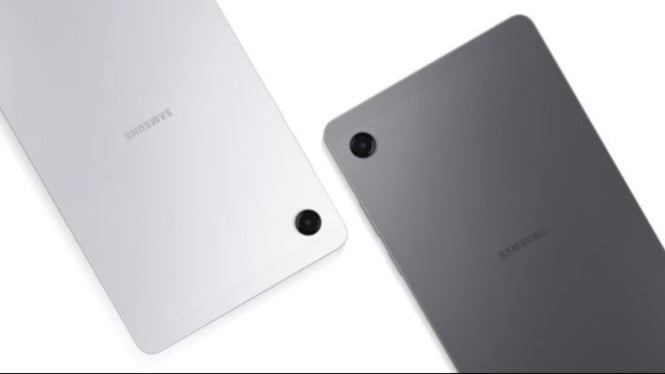
Samsung is set to launch its Galaxy Tab A11 in Indonesia in early 2025, targeting budget-conscious consumers with a price around $140. This model succeeds the Galaxy Tab A9 released two years prior and offers modest upgrades while maintaining an affordable price tag.
The design and physical dimensions remain unchanged from the Tab A9. It features the same 8.7-inch TFT LCD display with HD+ resolution and retains the 8mm thickness and 335-gram weight. The materials—a mix of aluminum and plastic—are also consistent with its predecessor, allowing compatibility with existing Tab A9 cases.
Display Enhancements


The primary display upgrade lies in the refresh rate, which now supports 90Hz instead of 60Hz on the previous model. This 50% increase results in smoother scrolling and more responsive touch interactions, greatly improving user experience during web browsing and social media use. While the panel type and resolution stay the same, this refresh rate boost is significant for an entry-level tablet in this price range.
Camera Improvements
Samsung has upgraded the front camera from 2MP to 5MP, a notable improvement for video calls and online meetings. This enhancement delivers clearer and sharper selfie images, reducing blur and pixelation during video conferencing via platforms like Zoom or Google Meet. The rear camera remains at 8MP, supporting 1080p video recording at 30fps, consistent with the Tab A9’s capabilities.
Performance and Hardware
The Galaxy Tab A11 continues to use the MediaTek Helio G99 processor fabricated on a 6nm process, clocked at 2.2GHz. RAM and storage options still range from 4GB/64GB to 8GB/128GB, with the storage employing UFS 2.2 and RAM using LPDDR4X technology. This hardware setup offers solid performance for routine tasks and light gaming but does not target high-end usage.
Software and Updates
One of the key advantages of the Tab A11 is its software offering. It ships with Android 15 layered with Samsung’s One UI 7, providing an up-to-date interface and enhanced system optimizations. Samsung guarantees three major OS updates and four years of security patches, ensuring longevity and ongoing support, unlike the older Tab A9 which is less likely to receive further OS upgrades.
Battery and Connectivity
The battery capacity remains at 5100mAh with 15W charging support, sufficient to last around 6 to 8 hours under normal use such as browsing and media playback. Connectivity features include Bluetooth 5.3, Wi-Fi 5, GPS, and a 3.5mm audio jack. The device supports expandable storage with a microSD slot that can handle cards up to 2TB. However, NFC is not included, which is a minor drawback considering the price segment.
Pricing and Market Position
The estimated price aligns closely with the Tab A9’s launch price at around $140. Considering the incremental improvements in refresh rate, front camera, and software longevity, the Tab A11 offers good value for first-time Samsung tablet buyers. Users looking to upgrade from the Tab A9 may find the differences insufficient to justify an immediate replacement.
Summary of Key Upgrades in Galaxy Tab A11 Compared to Tab A9
- Display refresh rate increased from 60Hz to 90Hz
- Front camera resolution improved from 2MP to 5MP
- Ships with Android 15 and One UI 7, with extended update support
- Hardware and design largely unchanged
Overall, the Samsung Galaxy Tab A11 represents a cautious but deliberate refresh designed to keep Samsung competitive in the entry-level tablet market. It targets those who desire a reliable, budget-friendly device with modern software and smoother visuals without a significant price hike. This makes it an attractive option for students, professionals working remotely, or casual users who value brand trust and consistent software support.