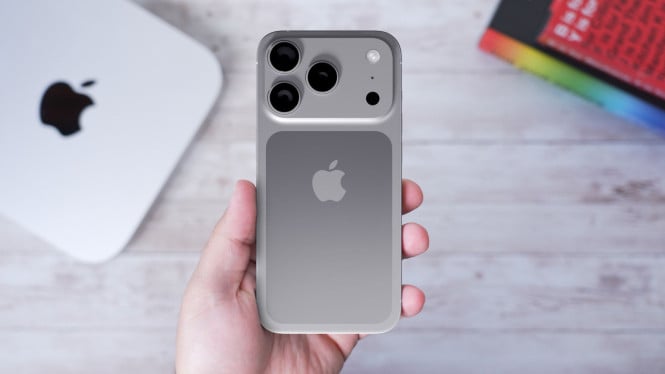
Apple’s latest iPhone 17 Pro has sparked buzz for its rear camera design, which some say resembles smartphones from Poco. However, despite the surface similarity, the iPhone 17 Pro’s camera layout holds distinct differences that set it apart in both form and function.
Unlike the previous square camera modules, Apple now uses a wider, horizontal housing for the triple-camera setup on the iPhone 17 Pro. This design shift accommodates larger 48-megapixel sensors, including main, ultrawide, and telephoto lenses, allowing the device to deliver superior imaging capabilities.
Design Changes and Functional Reasons
Apple’s decision to widen the camera housing stems from the need to fit bigger sensors and advanced optics in the iPhone 17 Pro. Each of the three lenses offers a uniform 48MP resolution, which is a significant upgrade from prior generations. The telephoto lens supports a 4x optical zoom combined with Optical Image Stabilization (OIS), helping users capture sharp images even at longer distances.
Another standout feature is the front camera’s sensor, which measures in at 18 megapixels with a square, ultra-wide format. This sensor design echoes the technology used on iPads and MacBooks, enabling Apple’s Center Stage feature. Center Stage automatically adjusts framing during video calls, making group interactions and dynamic shots more engaging.
Practical Benefits of the New Camera Setup
Many users, including tech reviewers like the YouTube channel Kuliah Sore, have praised the telephoto lens for its ability to capture concerts and events with remarkable detail. The iPhone 17 Pro’s telephoto zoom produces crisp, high-contrast images without the quality loss often experienced on base models that lack such lenses.
In addition to photography, video recording on the iPhone 17 Pro supports up to 4K resolution at 60 frames per second. It also offers 120 fps capture for fast motion or sports scenes. The dynamic range and color accuracy remain excellent even under challenging lighting conditions, ensuring versatility for creators and casual users alike.
Performance Powered by Apple’s A19 Pro Chipset
Under the hood, the iPhone 17 Pro is equipped with the Apple A19 Pro chip, fabricated using the latest 3nm process technology. Independent reviews, such as from Nano Review, rate the A19 Pro as the fastest smartphone chipset in 2025, outperforming competitors like the Snapdragon 8 Elite Gen 5 and MediaTek Dimensity 9500.
Though the Antutu benchmark scores hover around 2.5 million, real-world gaming performance is exceptionally smooth. Titles like Mobile Legends can run at 120fps on ultra settings without frame drops, while PUBG Mobile delivers high-quality HDR visuals with stable performance, highlighting efficient CPU and GPU optimization.
Battery Life and Display Features
The iPhone 17 Pro houses a relatively modest 3,998 mAh battery compared to Android rivals that often exceed 5,000 mAh. Despite this, battery endurance impresses with longevity comparable to devices offering significantly larger capacities, showcasing Apple’s improvements in power efficiency.
Its 6.3-inch Super Retina XDR OLED screen features a 1.5K resolution and 120Hz ProMotion refresh rate powered by LTPO technology. This adaptive refresh rate can drop to 1Hz during static use, conserving battery. Additionally, peak brightness reaches up to 3,000 nits for outstanding outdoor visibility.
Additional Enhancements
The display’s bezels are slimmer than before, providing a more immersive viewing experience. The phone carries an IP68 rating for water resistance, adding durability. On the right side, Apple includes an Action button and a Camera Control button, although the latter is reportedly less frequently used by consumers.
In summary, while the iPhone 17 Pro’s camera design superficially echoes Poco devices, Apple has introduced meaningful innovations in sensor size, imaging capability, and user experience. These changes affirm that Apple’s design evolution prioritizes function without sacrificing style, delivering a premium photography experience that is distinctly its own.