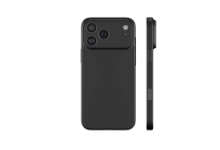
Flagship smartphones today come with a significantly higher price tag, often exceeding $1,200. Consumers often question whether the premium cost truly aligns with the added benefits these devices provide. In contrast, budget smartphones priced under $300 deliver essential features that satisfy everyday needs without breaking the bank.
For example, models like the CMF Phone 2 Pro and Samsung Galaxy A26 5G, both around $300, offer solid performance with sufficient RAM and storage, decent battery life, and multiple cameras. The CMF Phone 2 Pro includes an 8GB RAM and 256GB storage configuration, alongside a versatile triple-camera system and 33W charging, making it a competitive option for budget-conscious buyers. Meanwhile, the Galaxy A26 5G features a bright AMOLED screen with 120Hz refresh rate and AI-enhanced camera modes.
Mid-Range Smartphones Offer Balanced Features
Mid-range smartphones, costing roughly $500 to $550, strike a balance between affordability and performance. Devices like the Samsung Galaxy S25 FE and Google Pixel 9a belong to this category. These models enhance processing power, offering smoother user interfaces and materials that approach premium build quality. The Galaxy S25 FE outperforms budget phones with a more powerful chipset and improved camera systems scoring 143 out of 158 in camera tests, edging toward flagship-level quality.
The Pixel 9a, priced around $499, adds value with reliable software support extending up to seven years, a high-quality display, and competitive battery life. However, it uses less premium materials such as plastic and lacks some screen coatings found in flagship devices.
Flagship Ultra-Premium: The Pinnacle of Mobile Technology
Flagship ultra-premium models, like the Galaxy S25 Ultra priced at about $1,299, represent the highest level of smartphone innovation. They include cutting-edge processors, superior cameras (including multiple telephoto lenses), and premium materials such as aluminum or titanium with anti-reflective coatings on displays. The Galaxy S25 Ultra’s camera system scores a top mark of 158, illustrating its excellence for photography enthusiasts.
Such devices also integrate exclusive features like the S Pen stylus and advanced audio systems. Despite the clear technical superiority, the real-world user experience of ultra-premium flagships may feel only incrementally better compared to mid-range phones, especially for non-enthusiast consumers.
Benchmark Data Highlights Performance Gaps
Objective benchmark data highlights stark performance differences among budget, mid-range, and flagship smartphones. Peak brightness measured in nits shows the Galaxy S25 Ultra at an impressive 2,373 nits, nearly double the CMF Phone 2 Pro’s 1,207 nits. Gaming benchmark scores reveal the S25 Ultra topping with over 6,200 points, vastly outperforming mid-range and budget models which score below 3,000 and 1,000 respectively.
Processor speed tests like Geekbench 6 confirm flagship superiority, with the S25 Ultra scoring 3,137 points, ahead of the Galaxy S25 FE at 2,170 and budget models near 1,000. Camera scores further illustrate quality disparities, emphasizing material and sensor advantages in premium phones.
Weighing the Value Between Budget, Mid-Range, and Flagship
The choice to invest in a flagship smartphone depends on user priorities. Spending around $300 yields a solid daily-use smartphone with good battery life, display quality, and camera versatility. Upgrading to mid-range devices around $500 provides notable improvements in speed, camera quality, and materials without a huge price jump.
Meanwhile, the premium $1,300 flagship brings advanced features and superior craftsmanship but with diminishing returns on everyday usability for many users. Increasingly, media and chipset innovations allow mid-range and budget phones to incorporate features once exclusive to flagships.
Current Trends and Consumer Considerations
Trends in 2025 show chipset improvements like the MediaTek Dimensity 9400e bringing flagship performance to more affordable segments. Screen technology, camera capabilities, and battery endurance have all improved significantly in recent budget and mid-range models.
Consumers now face a broader range of choices based on needs such as camera quality, processing power, material preference, and price sensitivity. While audiophiles and photography enthusiasts may lean toward flagship devices, everyday users can comfortably rely on budget or mid-range smartphones for a satisfying experience.
Ultimately, selecting a smartphone budget is a trade-off between cost, performance, and premium features. This means pragmatic buyers can find excellent value in phones under $500, while those seeking cutting-edge technology may consider investing in flagship ultra-premium models. The smartphone market continues to diversify, enabling users to find a device that fits both their lifestyle and wallet.