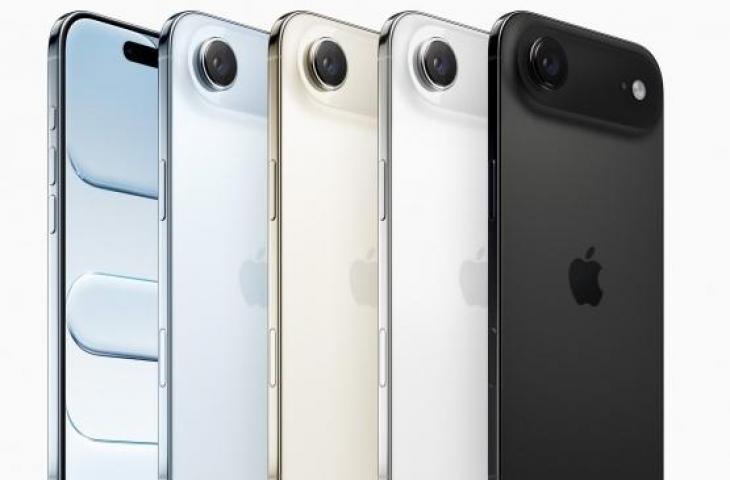
The iPhone Air: More Than a Thin Phone, A Testbed for Apple’s Foldable iPhone Project
Apple’s iPhone Air, known for its ultra-thin design, is not just another product in the smartphone lineup. According to a recent report by Bloomberg’s Mark Gurman, the iPhone Air serves as a critical experimental platform for Apple’s secretive foldable iPhone project. This insight clarifies the device’s unusual release schedule and sales performance.
Unlike traditional iPhones that follow a strict annual update cycle, the iPhone Air breaks this pattern. Apple intentionally avoids aligning the Air series with yearly upgrades. The main purpose of this lineup isn’t mass market sales but rather testing innovative technologies in real-world scenarios.
Hidden Purpose Behind Design and Components
The iPhone Air shares significant structural and material characteristics with Apple’s foldable device prototypes. Every component, from its slim chassis to thermal management systems and the materials used, is designed to generate valuable data for the engineers working on foldable phone technology.
This design strategy allows Apple to refine new technologies without the risks associated with unproven hardware. The Air acts as a research and development tool disguised as a market product, enabling Apple to test innovations under typical usage conditions.
iPhone Air 2: A Leap Toward Advanced Foldable Tech
Despite earlier rumors about indefinite postponement, the iPhone Air 2 is confirmed to launch in spring 2027. This delay does not stem from weak sales but from its role as a testing ground for next-generation technologies essential to foldable phones.
Two major enhancements are planned for the iPhone Air 2: the adoption of Apple’s first 2-nanometer (nm) chip and improved camera capabilities. The 2nm fabrication technology will significantly improve power efficiency and battery life, crucial factors for devices with dual-screen setups like foldables.
Moreover, Apple is expected to add a secondary ultrawide rear camera, addressing criticisms of the first generation’s limited camera functionality. These upgrades indicate Apple’s commitment to leveraging the Air series as a real-world testing platform for foldable device innovations.
Understanding the ‘Underwhelming’ Sales Performance
The modest sales figures of the first iPhone Air become understandable in this context. Similar to the iPhone mini, the Air targets a niche consumer segment. Its price, only slightly lower than the Pro models, combined with trade-offs in battery life, thermal performance, and camera capabilities, limits its appeal to mainstream buyers.
Apple seems fully aware that the iPhone Air will not become a bestseller. Instead, the company values the technical data collected from this focused user base far more than the revenue generated. This information is vital for the development of their future foldable iPhone products.
Key Takeaways on iPhone Air’s Role:
- The iPhone Air is not intended for annual upgrades or massive sales.
- It is used by Apple internally to test design and technical elements for foldable devices.
- Structural and material features closely align with foldable iPhone prototypes.
- The iPhone Air 2, arriving in 2027, will integrate Apple’s new 2nm chip for better efficiency.
- Camera improvements on Air 2 will include the addition of an ultrawide lens.
- Sales figures reflect its niche market rather than failure.
Apple’s strategy with the iPhone Air underscores a shift in how the company approaches innovation testing. Instead of isolated prototypes, Apple channels real-world user feedback through a commercially available device. This approach not only mitigates developmental risks but also paves the way for the company’s ambitious foldable iPhone aspirations.
The iPhone Air, therefore, stands as a crucial stepping stone in Apple’s pursuit of foldable smartphone technology. As the industry watches attentively, the data harvested from this series could redefine mobile device design in the coming years.