


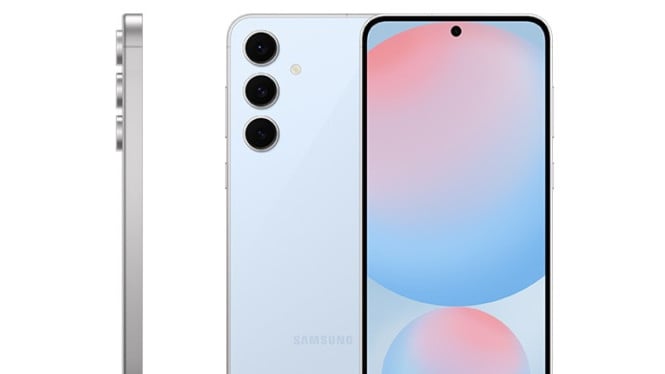
Smartphone frame design plays a critical role in user comfort and experience. Recently, square frame designs have surged in popularity, seen in flagship devices like the iPhone 17 and Samsung Galaxy S25. However, this trend raises a key question: is a square frame truly more comfortable than a rounded one?
A phone’s frame serves as its structural backbone, typically made from metal or high-quality plastic. It influences not only durability but also how the device feels in hand. The two main styles—square and rounded—offer distinct benefits and trade-offs in terms of aesthetics, ergonomics, and everyday use.
Visual Appeal and Modern Identity
Square frames exude a minimalist and luxurious vibe. The sharp edges and flat surfaces give off a clear message of sophistication and professionalism. This design harkens back to iconic products like the iPhone 4 and iPad Pro, setting a precedent associating angular frames with premium technology. Users often perceive phones with square frames as more high-end, even if their price is comparable to rounded models.
This polished look appeals especially to those who want their device to act as a status symbol or complement formal settings. Yet, these advantages in style sometimes compromise comfort during extended use.
Hand Comfort and Ergonomics
Rounded frames fit more naturally in the hand’s contours. Human palms and fingers curve gently, so a phone with rounded edges reduces pressure points and prevents discomfort. Prolonged use—such as scrolling through social media, gaming, or video calls—feels less taxing with a rounded design.
By contrast, square frames with sharp metal edges can dig into the palm and fingers, causing soreness or “corner pain” reported by multiple users of current flagship phones. Rounded phones also exhibit less risk of finger irritation or abrasion when used without a protective case, making them preferable for users who prioritize long-term comfort.
Design Trends and Market Adoption
Since the launch of the iPhone 12 in 2020, the smartphone industry has largely shifted toward square frames. Key factors driving this shift include greater structural rigidity needed for larger camera modules and the consumer demand for futuristic, premium-feeling devices. Manufacturers like Xiaomi, Oppo, and Realme have followed this trend in their flagship models.
Despite the dominance of square frames, some brands such as Google Pixel and ASUS maintain a slightly curved approach. They aim to balance ergonomic comfort with contemporary aesthetics, appealing to users caught between style and feel.
Durability Considerations
Each frame style offers resilience advantages depending on how a phone is dropped. Square frames better distribute impact when falling flat, reducing the likelihood of corner cracks on rigid edges. Meanwhile, rounded frames offer better resistance against scratches and pressure from sharp objects, thanks to the absence of defined pressure points.
Material choice is crucial for durability regardless of shape:
- Titanium provides superior strength and lightness but at a higher price.
- Aluminum balances toughness with cost-efficiency.
- Plastic frames offer shock absorption and safety but feel less premium.
Long-Term User Experience
The frame’s design affects fatigue, grip stability, and accessory compatibility over time. Rounded frames suit users with smaller or sensitive hands and those who prefer using their phone without cases. Square frames appeal more to users willing to sacrifice some comfort for a stylish presence, especially if they habitually use protective cases that offset sharp edges.
Choosing Between Square and Rounded Frames
In summary, selecting the ideal frame design depends on personal priorities:
Choose a square frame if you:
- Desire a modern and luxurious look
- Use a phone case consistently
- Value aesthetics over comfort
- Frequently engage in presentations or produce visual content
Choose a rounded frame if you:
- Often hold your phone without a case
- Have small or pressure-sensitive hands
- Prioritize ergonomic comfort for long use
- Are indifferent to the latest design trends
Whether square or rounded, the ultimate goal is a phone that feels good in your hand throughout the day. Users should test devices in-store, gripping them for a few minutes to assess comfort before purchase. This hands-on evaluation often reveals more than specs or reviews about what suits individual needs best.
As the market continues to evolve, both frame shapes hold value—square frames for their striking, premium image and rounded frames for their proven ergonomic benefits.