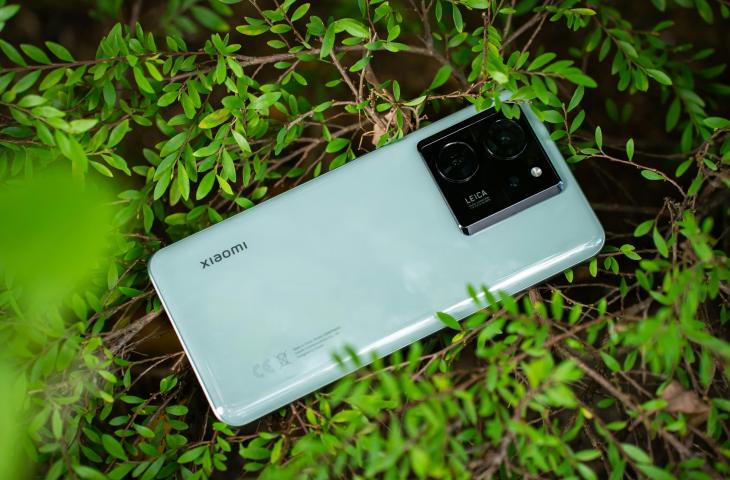
Xiaomi has noticeably reduced the number of new smartphone models it releases compared to previous years. This shift is part of a major strategic transformation aimed at moving from aggressive hardware expansion to building an integrated ecosystem centered on “Human x Car x Home.”
The company now prioritizes product quality, longer device lifespans, and added ecosystem value. This new direction aligns with the HyperOS philosophy and the rapid growth of Xiaomi’s AIoT and electric vehicle portfolios. According to Xiaomi Time (November 19, 2025), the 2024-2025 period marks a comprehensive transformation in Xiaomi’s strategy, shifting focus from high volume smartphone launches to providing a more curated and valuable product lineup.
Financial Performance and Strategic Shift
Recent financial data supports this change in focus. In Q2 2025, despite global smartphone market growth, Xiaomi’s smartphone revenue fell by 2% year-over-year due to price pressure and tightening profit margins. Conversely, the AIoT division achieved outstanding performance, generating revenues of approximately $5.5 billion (38.7 billion yuan), up 44.7% annually. Meanwhile, Xiaomi’s electric vehicle unit posted quarterly revenues of over $2.9 billion (20 billion yuan), driven by strong demand for models like the SU7 and YU7.
These figures illustrate that smartphones have transitioned from being the primary source of Xiaomi’s income to becoming the central hub for the HyperConnect ecosystem. Xiaomi’s devices now serve more as connectors for its wider ecosystem than stand-alone profit centers.
Long-term Software Support as a Key Factor
A significant reason behind releasing fewer smartphone models is Xiaomi’s new commitment to long-term software support. The company promises up to four major OS upgrades and six years of security patches for mainlines such as the Xiaomi 15 and Redmi Note 14 series. This requires substantial technical investment.
Maintaining dozens of models with varying regional variants while ensuring cross-generational compatibility with Android and HyperOS would be highly challenging under the old strategy of frequent product launches. Reducing the number of models globally enables Xiaomi to focus on efficient maintenance and provide more stable user experiences.
Addressing Market Challenges and Product Portfolio Simplification
In markets like India, Xiaomi’s previous strategy created difficulties. Early 2025 data showed Xiaomi’s smartphone shipments in India dropping by 42% year-over-year. Overlapping product lines, inconsistent regional ROMs, and a mismatch between premium pricing and brand perception contributed to this decline. Xiaomi responded by simplifying product segmentation and strengthening software consistency under HyperOS.
The portfolio cutbacks are also evident in the absence of flagship products such as MIX Fold 5 and limited global launches for the Civi series. Products with high production costs but limited commercial impact are being reevaluated. This marks a transition from a “one niche, one model” approach to a leaner, more sustainable portfolio.
Implications of the New Strategy
Overall, Xiaomi is entering a new era that stresses long-term value through extended software support, tighter ecosystem integration, improved device quality, and global consistency. The company aims to improve profitability stability and deliver smoother user experiences by focusing on fewer, more meaningful smartphone releases.
This transition reflects Xiaomi’s broader ambitions beyond smartphones, restructuring its business to thrive in connected smart devices and electric vehicles. Smartphones now act as a vital interface within a diversified ecosystem rather than the sole revenue engine. The strategic shift positions Xiaomi to better meet future market demands while maintaining a high level of customer satisfaction and product reliability.