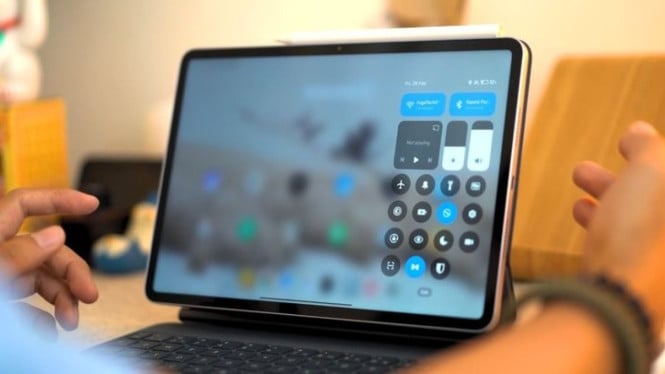
The tablet flagship battle heats up in 2025 with two strong contenders: Samsung Galaxy Tab S11 and Xiaomi Pad 7 Pro. Both devices bring cutting-edge AI features aimed at boosting productivity for professionals and content creators. The choice boils down to ecosystem maturity versus competitive pricing with robust specs.
Samsung Galaxy Tab S11 is powered by the MediaTek Dimensity 9400+ chipset paired with 12GB RAM. This combination handles heavy multitasking effortlessly, such as managing dozens of browser tabs and editing 4K video without any lag. Large spreadsheets also run smoothly, reflecting the tablet’s capability to maintain performance under demanding workloads.
Meanwhile, Xiaomi Pad 7 Pro features the Snapdragon 8S Gen 3 chipset, which guarantees responsive performance. The tablet runs on Hyper OS, presenting a “Workstation mode” that mimics a desktop experience, making it a strong choice for productivity-focused users who want a versatile interface.
Display Brightness and Clarity
Samsung’s Dynamic AMOLED 2X display boasts peak brightness up to 1600 nits. This allows easy visibility even in bright outdoor environments and delivers vibrant colors along with perfect black contrast. Such display characteristics are particularly beneficial for multimedia consumption and detailed photo or video editing.
On the other hand, Xiaomi Pad 7 Pro adopts a unique 3:2 aspect ratio that provides extra vertical space. This format is ideal for reading documents, emails, or coding work. Its adaptive 144Hz refresh rate also ensures smooth scrolling and fluid animations, enhancing everyday interactions and gaming experiences.
Stylus and Accessories
Samsung’s redesigned hexagonal S Pen offers a secure grip and precise sketching capabilities. Integrated Galaxy AI boosts productivity, for example, through “Circle to Search,” which allows users to automatically look up terms directly from PDFs. This integration streamlines research and note-taking tasks efficiently.
Xiaomi’s Focus Pen demonstrates low latency and high responsiveness for writing or digital sketching. Additionally, the Pad 7 Pro supports a detachable keyboard casing, catering to users who require extensive typing for work or study.
AI Enhancements and Productivity Features
Samsung Galaxy Tab S11 incorporates Galaxy AI to assist daily workflows. The device supports Samsung DeX extended mode that connects an external monitor as a true second screen, not just mirroring but expanding the workspace. This setup greatly enhances multitasking and professional use cases.
Conversely, Xiaomi Pad 7 Pro integrates Google’s Gemini AI to facilitate writing assistance. Its Conference 2.0 feature minimizes background noise during video calls. Hyperconnect technology allows seamless control of Xiaomi smartphones from the tablet, including the ability to use the phone’s camera as a webcam—ideal for hybrid work setups.
Battery Life and Durability
While Samsung does not disclose battery capacity, its software optimization extends usage time effectively. The Tab S11 boasts an IP68 rating, ensuring protection against dust and water. It also offers microSD support up to 2TB, providing ample expandable storage.
Xiaomi Pad 7 Pro is equipped with an 8,850 mAh battery sufficient for a full day’s use. Its 67W HyperCharge technology provides rapid recharging. However, the Pad 7 Pro lacks an official IP rating, which may be a drawback for users needing robust physical resistance.
Pricing and Value Considerations
Samsung Galaxy Tab S11 leverages a mature ecosystem that integrates well with other Galaxy devices, appealing to those invested in Samsung’s technology. Xiaomi Pad 7 Pro delivers flagship-level specifications at a more competitive price point, offering excellent value for users prioritizing hardware performance.
Choosing between these two depends on user priorities: Samsung’s established ecosystem and advanced features versus Xiaomi’s attractive pricing and innovative form factor. Both tablets are capable flagship devices that cater to different productivity and lifestyle needs in 2025.
-
-
-
-