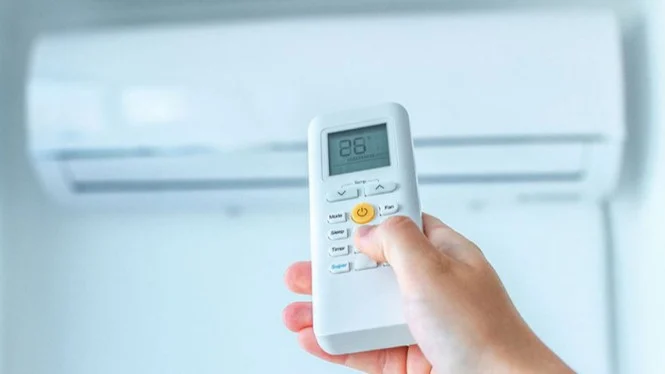
Choosing between an inverter air conditioner (AC) and a non-inverter AC can significantly impact your electricity bills and overall savings. Both types serve the basic function of cooling, but their technology differences result in distinct energy consumption patterns and costs. Understanding these differences can help you decide which fits better with your budget and usage habits.
How They Work Differently
The core difference lies in the compressor mechanism. The inverter AC has a variable-speed compressor that adjusts its speed according to the cooling demand. This means it can operate at lower power once the desired temperature is reached. In contrast, a non-inverter AC uses an on/off compressor that runs at full power when cooling is needed and shuts off completely once the temperature is met.
Energy Consumption and Monthly Bills
Inverter ACs are known to save energy by around 30 to 40 percent. When starting, their power consumption is roughly 75 watts and stabilizes at about 300 watts during continuous operation. Non-inverter ACs, however, constantly cycle the compressor on and off at full power, leading to higher energy use. This start-stop pattern results in increased electricity costs, particularly if the AC runs for extended hours daily.
Noise Levels
Operational noise is another consideration. Inverter ACs operate more quietly because the compressor maintains a steady speed once the set temperature is achieved. This feature makes them ideal for bedrooms or workspaces where minimal noise disruption is crucial. Non-inverter units tend to create louder, abrupt noise spikes when the compressor turns on, which can be distracting.
Durability and Maintenance
Inverter ACs generally have a longer lifespan due to the reduced mechanical strain on their compressors. The absence of frequent start-stop cycles helps prevent premature wear. Non-inverter AC components typically endure more stress, accelerating the risk of damage. Maintenance-wise, non-inverter ACs are simpler and cheaper to service with more readily available spare parts. The inverter models’ complex modules mean higher repair and replacement costs, although routine filter cleaning every three to four months is essential for both.
Cost and Investment Value
Price differences are significant. Inverter ACs can cost up to twice as much upfront compared to non-inverter models. Despite the higher initial investment, the savings in energy bills and quieter operation often justify the cost over time. Non-inverter units are more budget-friendly initially, making them suitable for buyers with limited funds who still want reliable cooling.
Summary Table: AC Inverter vs Non-Inverter
Compressor Operation
- Inverter: Variable speed, adjusts power use
- Non-Inverter: Fixed speed, on/off cycles
Energy Efficiency
- Inverter: Saves 30-40% electricity
- Non-Inverter: Higher consumption due to start-stop pattern
Noise Level
- Inverter: Low, steady sound
- Non-Inverter: Louder, sudden noise spikes
Durability
- Inverter: Longer lifespan due to less mechanical stress
- Non-Inverter: Shorter lifespan, components wear out faster
Maintenance Costs
- Inverter: Higher cost, complex components
- Non-Inverter: Lower cost, simpler system
- Initial Price
- Inverter: About double the price of non-inverter
- Non-Inverter: More affordable
Choosing the right AC depends on your priorities. If energy saving and quiet operation are important, the inverter AC offers clear advantages despite its higher price. Conversely, if upfront costs and ease of maintenance are your main concerns, the non-inverter AC remains a practical choice. Both require routine care for optimal performance and longevity.