


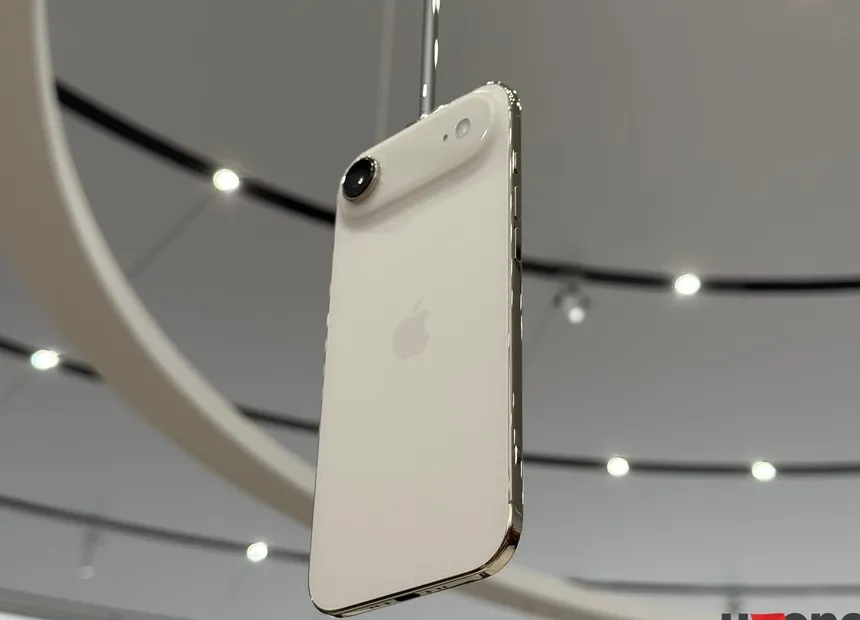
Apple’s recent launch of the iPhone Air has failed to meet market expectations, leading to significant repercussions across the smartphone industry. This failure not only forced Apple to cut production by 1 million units, but it also influenced key competitors, especially Chinese brands like Xiaomi and Vivo, to rethink their strategies on ultra-thin smartphones.
According to a report by Digitimes cited on November 28, 2025, prominent brands Xiaomi, Oppo, and Vivo have either canceled or postponed their plans for thin-form-factor devices. Xiaomi scrapped its direct rival to the iPhone Air, while Vivo delayed introducing ultra-thin designs in its mid-range S-series models. This collective retreat highlights the difficulty in gaining traction with smartphones that sacrifice core features for sleekness.
Impact on Supply Chain and Manufacturing
The disappointing sales of iPhone Air have rippled down to production lines. Foxconn, Apple’s main assembler, reportedly dismantled its dedicated production line for the model. Another supplier, Luxshare, ceased production entirely near the end of October. These moves underscore the industry’s confidence waning in the viability of ultra-thin smartphones that compromise specifications too heavily.
Apple’s initial decision to reduce the iPhone Air production volume indicates early signs of market resistance. Industry insiders view this situation as a cautionary tale about the risks involved in prioritizing aesthetics over practical features in flagship devices.
Reasons Behind iPhone Air’s Market Failure
Key factors leading to iPhone Air’s poor performance include an expensive price tag paired with diminished hardware features. Apple successfully reduced the phone thickness to just 5.6 mm, but the trade-off came in the form of a smaller battery and only a single rear camera.
In Indonesia, the iPhone Air 256 GB retails at approximately $1,400 USD, with the 512 GB and 1 TB variants priced around $1,700 and $1,970 USD respectively. Meanwhile, the iPhone 17 Pro 256 GB, selling just about $175 USD more than the iPhone Air 512 GB model, offers superior specifications such as a triple-camera setup, enhanced GPU, and a larger battery. This stark contrast steered customers towards the Pro lineup, reducing demand for the basic Air model.
Shifts in Consumer Preference and Market Trends
The failure of the iPhone Air echoes a similar scenario faced by Samsung’s Galaxy S25 Edge. Samsung reportedly halted production of the S25 Edge and canceled its successor, signaling a broader trend away from ultra-slim phones.
Consumers appear to favor devices that balance design with functionality, prioritizing battery life and camera capabilities over minimal thickness. This shift is prompting manufacturers to adjust product offerings and reconsider design priorities for upcoming flagship models like the iPhone 18.
Strategic Changes in the Smartphone Industry
The cancellation and postponement of thin phone projects by Xiaomi, Oppo, and Vivo represent a strategic pivot. These companies have redirected their eSIM components and other thin phone related resources into other product lines. Industry experts see this as a recalibration aligning with evolving consumer demands.
Apple, despite initial setbacks, reportedly continues development on an iPhone Air 2, reflecting its continued interest in the slim smartphone segment but possibly with a revised approach to balance features and design.
Summary of Key Industry Responses
- Xiaomi canceled its ultra-thin phone project after the iPhone Air’s disappointing sales.
- Vivo postponed the launch of a thin-design S-series mid-range phone.
- Foxconn dismantled iPhone Air production lines due to low demand.
- Luxshare completely halted production since late October 2025.
- Apple cut iPhone Air production by 1 million units in response to poor sales.
- Samsung stopped Galaxy S25 Edge production and canceled its successor plan.
The widespread response to iPhone Air’s performance underscores the challenges manufacturers face when prioritizing ultra-slim designs at the expense of vital smartphone features. As the market shifts toward a preference for balanced devices, companies are recalibrating product strategies accordingly. The developments may reshape smartphone innovation, with brands focusing more on practical user needs over extreme form factors.