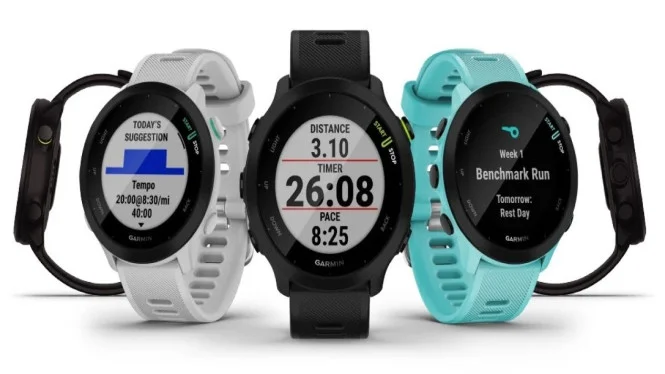
Garmin is gaining attention again with its Forerunner 55 smartwatch, designed to provide a more focused running experience while remaining easy to use. This lightweight smartwatch strikes a balance between functionality, comfort, and affordability, making it a popular choice especially among beginner runners.
One of the key features of the Forerunner 55 is its GPS accuracy. It supports GLONASS and Galileo satellite systems, delivering more reliable tracking of distance, pace, and speed across various environments. This precision is essential for runners keen on monitoring their performance improvements over time.
The smartwatch is also user-friendly, featuring a clean menu layout and responsive buttons. Navigating through sport modes is straightforward, allowing users to focus on their training without the distraction of handling a phone screen.
Battery life on the Forerunner 55 is notable. It lasts up to two weeks with regular smartwatch use and provides around 20 hours when GPS is continuously active. This makes it a convenient companion for runners who train regularly or participate in long-distance events without worrying about frequent recharging.
Garmin equips the Forerunner 55 with comprehensive fitness features. Users can select from activities like yoga, cycling, treadmill runs, pilates, and strength training. Continuous heart rate monitoring throughout the day is supported, along with the Body Battery metric which estimates energy levels based on activity, sleep quality, and stress levels.
The device also offers sleep tracking that helps users understand and improve their rest patterns. Such health insights contribute to a more balanced lifestyle and informed training decisions.
The design emphasizes comfort with its lightweight construction, suitable for all-day wear without discomfort. Compared to Garmin’s premium series, the Forerunner 55 is more affordable, making it accessible for those seeking functional smartwatches without overly complex features.
However, the smartwatch does have limitations. It does not feature internal music storage, so users must carry their phones for music playback during workouts. In addition, it lacks support for Garmin Pay or other digital payment methods, which are increasingly common in high-end smartwatches.
The display uses a memory-in-pixel (MIP) screen, which is energy-efficient but less vibrant than AMOLED displays. Colors appear muted, although visibility under direct sunlight remains good. This might be a drawback for those who prefer a more vivid and modern screen appearance.
Advanced running metrics are limited on this model. It does not provide detailed data such as stride length, ground contact time, or offer map-based navigation. Therefore, the Forerunner 55 may not fully satisfy professional runners or serious competitors looking for deeper performance analysis.
Garmin Forerunner 55 is best suited for beginner runners who want structured training guidance and accurate tracking. It also fits users who value a lightweight, durable device without fancy extras. Conversely, those needing premium screen quality, built-in music, detailed analytics, or digital payment capabilities might explore other models.
Ultimately, the Forerunner 55 stands out due to its simplicity. It delivers a focused running experience supported by essential, easy-to-understand data. For an entry-level smartwatch under approximately $180, it presents a strong option for runners taking their first steps into wearable fitness technology.