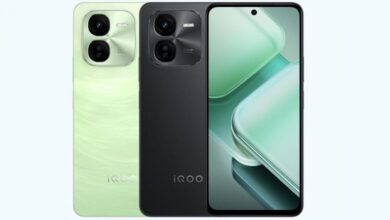
Looking for the best smartphones around $140 in 2025? The entry-level phone market has evolved with rising expectations in performance and features. Phones priced about $140 now typically offer at least 8GB of RAM, Full HD+ displays with refresh rates around 90Hz or higher, NFC, gyroscope sensors, and fast charging of 25 watts or more.
These upgraded standards eliminate compromises that were common just a few years ago. Storage technology has also improved with UFS becoming the norm instead of the slower eMMC. Four standout phones meet these criteria and provide excellent choices for different user preferences.
1. Infinix Hot 60 Pro – Lightweight and Smooth


Weighing just 170 grams, the Infinix Hot 60 Pro is impressively light. It features a vibrant AMOLED Full HD+ screen with a buttery 144Hz refresh rate and a large 5,160 mAh battery. Priced at approximately $190, this device uses the Helio G200 chipset, paired with 8GB RAM and 256GB UFS storage.
Charging is fast thanks to a 45-watt charger, reducing downtime significantly. The 50-megapixel main camera delivers solid quality for everyday photography. This phone is perfect for users prioritizing portability without sacrificing performance or display quality.
2. Vivo iQOO Z9 Lite – Rugged and Reliable
For those who need durability, the Vivo iQOO Z9 Lite is a strong contender. Rated IP68/IP69, it resists dust and water, ideal for outdoor adventure or rough conditions. Its hefty 6,000 mAh battery supports 44-watt fast charging for extended use.
The phone is priced between $170 and $185 depending on the variant. While powered by a Snapdragon 685 chipset that is slightly dated, it still handles daily tasks smoothly. This model suits users who seek toughness alongside balanced performance.
3. Redmi Note 14 4G – Camera-Oriented Choice
Xiaomi’s Redmi Note 14 4G focuses heavily on imaging, equipped with a 108-megapixel camera sensor. Although some secondary camera components feel gimmicky, the main sensor offers good results for casual photos.
It sports an AMOLED display with 120Hz refresh rate and runs on the MediaTek G99 chipset, both fairly standard yet effective in this price range. Priced around $175, it includes 8GB RAM, a 5,110 mAh battery, and 45-watt rapid charging. Additional features like NFC, gyroscope, and IR blaster add value, making it ideal for those prioritizing camera and multimedia.
4. Vivo iQOO Z9X – Performance and Battery Focus
The Vivo iQOO Z9X targets gamers and power users needing stronger performance. It incorporates the newer Snapdragon 6 Gen 1 chipset, delivering better performance than the G99 found in some competitors. The phone packs a 6,000 mAh battery with 44-watt charging support.
It comes with a Full HD+ 120Hz IPS display and an IP64 rating for moderate dust and splash protection. While the IPS screen is a slight trade-off versus AMOLED, the phone’s price ranges from approximately $140 during flash sales to around $190 normally. This phone fits those who want smooth gaming and reliable battery life on a budget.
Summary of Key Specs:
| Phone Model | Price (USD) | Display | Chipset | RAM | Battery (mAh) | Charging (W) | Other Notable Features |
|---|---|---|---|---|---|---|---|
| Infinix Hot 60 Pro | $190 | AMOLED Full HD+ 144Hz | Helio G200 | 8GB | 5160 | 45 | Very light, 256GB UFS storage |
| Vivo iQOO Z9 Lite | $170-$185 | Full HD+ (~90Hz) | Snapdragon 685 | 8GB | 6000 | 44 | IP68/69 rating, rugged design |
| Redmi Note 14 4G | $175 | AMOLED Full HD+ 120Hz | MediaTek G99 | 8GB | 5110 | 45 | 108MP camera, NFC, IR blaster |
| Vivo iQOO Z9X | $140-$190 | IPS Full HD+ 120Hz | Snapdragon 6 Gen1 | 8GB | 6000 | 44 | IP64 rating, gaming focused |
Choosing between these options depends on usage needs. The Infinix Hot 60 Pro suits those valuing a lightweight design and immersive screen. Vivo iQOO Z9 Lite excels in durability for outdoor use. Redmi Note 14 4G is strong in camera features and multimedia support. Vivo iQOO Z9X prioritizes gaming performance and long battery life.
With the entry-level phone competition heating up in 2025, budget buyers can now find devices with premium features previously seen in higher-priced models. Making a choice among these four depends on individual priorities like portability, ruggedness, camera quality, or gaming need. Each model offers comprehensive features without breaking the budget.