


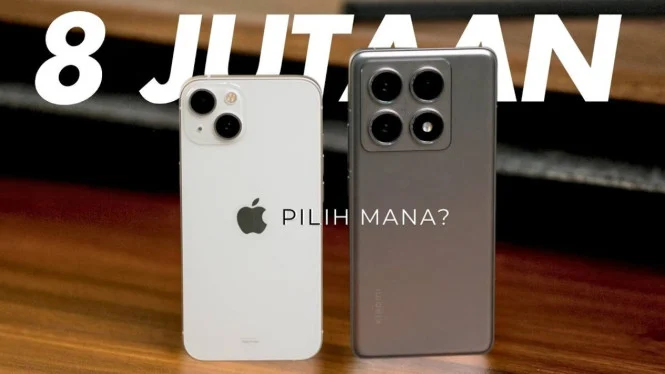
When choosing between the Xiaomi 14T Pro and the iPhone 13, both priced around IDR 8 million (approximately $550 USD), understanding their differences helps make an informed decision. Despite similar price tags, the specs and features offer distinct experiences depending on your needs.
The Xiaomi 14T Pro base model offers 256 GB storage, double that of the iPhone 13’s 128 GB. This gives Xiaomi an edge in media storage without extra costs. However, iPhone 13 runs on iOS 18, noted for its stability and fewer bugs, ensuring long-term security against malware, which remains a significant advantage for Apple users.
Software and Ecosystem
Xiaomi’s Hyper OS 2 integrates AI features natively, providing practical utility out of the box. Meanwhile, iPhone 13 users must install third-party apps like ChatGPT or Gemini to access similar AI functions, though Siri remains responsive. Apple supports up to 6-7 years of software updates, whereas Xiaomi limits updates to about 3 years. The Apple ecosystem is notably more cohesive, especially if you use other Apple devices like MacBooks or iPads.
Features and Connectivity
Both smartphones feature IP68 water resistance, 5G connectivity, eSIM support, and wireless charging. Xiaomi impresses with its 120W fast charging capability, fully charging the device in about 20 minutes, far surpassing iPhone 13’s slower MagSafe charging. The Xiaomi 14T Pro’s USB Type-C port is favored for modern convenience, compared to the iPhone’s aging Lightning port.
Additional perks on Xiaomi include an in-display fingerprint sensor and an IR blaster, while the iPhone offers Face ID facial recognition and a dedicated silent mode button. Both feature stereo speakers, with Xiaomi’s Dolby Atmos providing immersive audio. However, data transfer speeds are equally limited by USB 2.0 on both devices.
Design and Ergonomics
Xiaomi features a 6.67-inch screen, larger than iPhone 13’s 6.1-inch display, catering to those who prefer bigger phones. Its matte finish with curved back edges tends to feel more ergonomic in hand. The iPhone’s compact, boxy design and glossy finish maintain premium appeal and the prestige of the Apple logo, which some users highly value.
Display and Performance
Xiaomi’s AMOLED display supports a 144 Hz refresh rate, ensuring smoother visuals compared to iPhone 13’s OLED 60 Hz screen. Under bright sunlight, Xiaomi’s brightness level is higher for better outdoor visibility. The phone boasts a full-view display without a notch, while the iPhone has a prominent notch cutting into its screen area.
Powered by the A15 Bionic chip, iPhone 13 still excels in single-core performance despite being three years old. Xiaomi’s Dimensity 9300 Plus chipset and 12 GB RAM provide superior multicore processing, benefiting multitasking. Daily usage keeps the iPhone cooler, but Xiaomi delivers stronger raw processing power.
Battery Life and Charging
iPhone 13 typically offers a longer screen-on time, around 7+ hours, compared to Xiaomi’s 5-6 hours under normal usage. Battery efficiency leans in favor of Apple, although Xiaomi’s rapid 120W charging is a clear highlight. In video recording tests, both phones show comparable battery drain rates, signaling efficient power management despite hardware differences.
Camera Capabilities
Xiaomi 14T Pro includes a versatile telephoto lens, enabling better zoom and portrait options. However, iPhone consistently produces more color-accurate photos, while Xiaomi’s results can vary. In low light, Xiaomi tends to capture cleaner images with less noise, whereas iPhone 13 still shows some graininess but excels in daytime selfies. Video recording on iPhone 13 supports 4K at 60 FPS across all lenses, offering superior dynamic range and stabilization preferred by content creators.
Choosing Between Xiaomi 14T Pro and iPhone 13
To summarize, Xiaomi 14T Pro provides a richer feature set like faster charging, bigger screen, and more storage for nearly the same price as the iPhone 13. On the other hand, iPhone 13’s software support, ecosystem integration, and video capabilities make it a solid long-term investment. Your final choice should reflect whether you prioritize raw performance and value or prefer system stability and broader device compatibility.
Both devices have clear strengths tailored to different user preferences, making them competitive contenders in the mid-range smartphone market today.