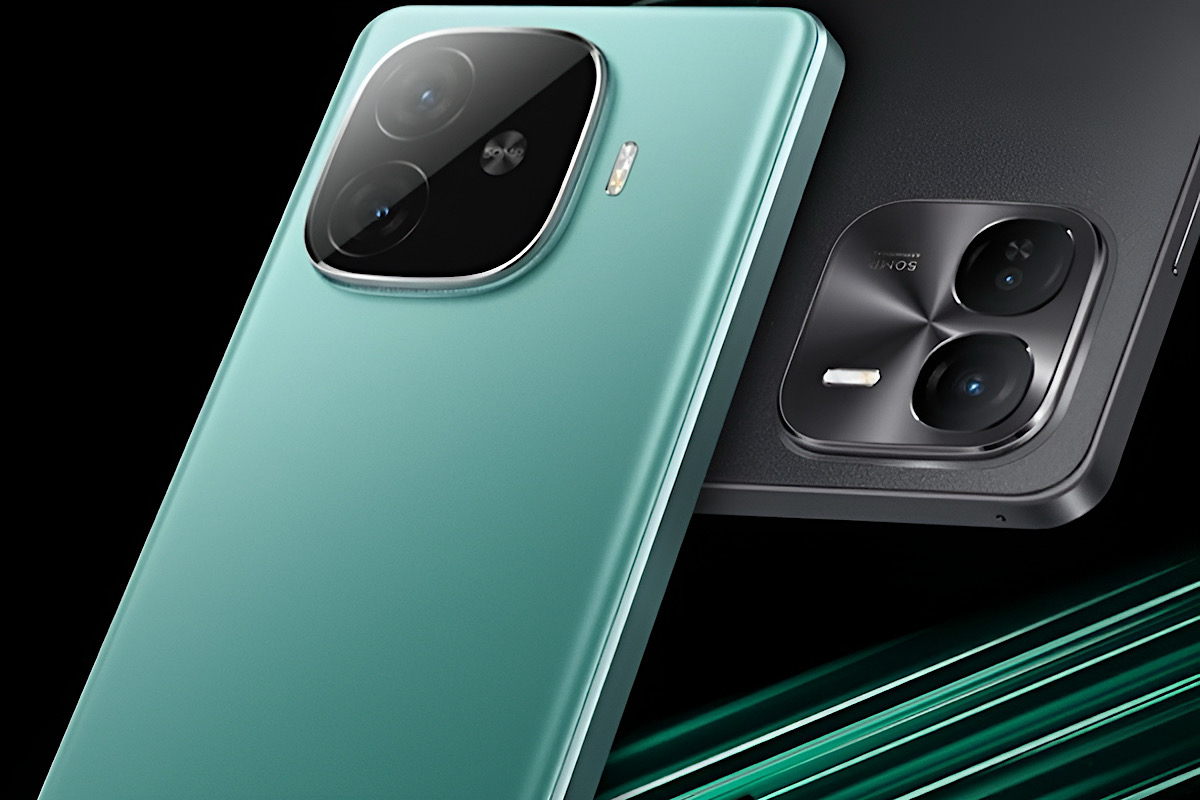
When it comes to gaming performance in the iQOO Z10 series, the debate between the iQOO Z10 and iQOO Z10 R heats up. Both models feature capable chipsets, with the iQOO Z10 powered by the Snapdragon 7s Gen 3 and the iQOO Z10 R equipped with the MediaTek Dimensity 7360 Turbo. Benchmark tests like Antutu show their scores are very close, differing by just 10,000 to 20,000 points, indicating similar raw performance.
In real gaming scenarios, both phones deliver smooth experiences. PUBG Mobile performs consistently at 60 fps on both devices, while Mobile Legends can reach up to 90 fps. This suggests that neither phone has a significant edge in terms of frame rate ceiling. Future software updates are expected to optimize each device further, potentially unlocking higher settings or better stability.
Design and Display Differences


The iQOO Z10 model stands out with a slightly curved AMOLED screen, contrasting with the flat display of the iQOO Z10 R. This subtle design difference may appeal to users who prefer a more premium feel. Additionally, the iQOO Z10 features a distinctive round camera module, while the Z10 R’s camera layout is elongated vertically. Both phones offer AMOLED screens, ensuring vivid colors and good contrast, which is important for immersive gaming.
Battery and Charging
Battery capacity varies between models, impacting gaming endurance. The iQOO Z10 harbors a larger 7,300 mAh battery, compared to the 6,500 mAh battery found on the iQOO Z10 R. In practical terms, this means longer gaming sessions without frequent charging on the Z10. However, the Z10 R compensates with faster charging speeds, supporting 90W Flash Charging. This allows the phone to recharge quickly, reducing downtime between gaming sessions.
Camera Features and Extras
While camera performance might not be the top reason to choose a gaming phone, it still matters to many users. The iQOO Z10 R has an edge here with an ultrawide camera and additional features like AI Aura Light for improved photography in challenging lighting. It also includes Optical Image Stabilization (OIS), enhancing video clarity and reducing blur in low light conditions. Meanwhile, the iQOO Z10 focuses on higher resolution selfie shots with a 32 MP sensor, catering to social media users who prioritize front camera quality.
Price Considerations and Value
Price is a critical factor in deciding between these models. The iQOO Z10 Lite, the most affordable variant, offers baseline features and slightly less capable hardware for budget-conscious buyers. The iQOO Z10 R sits in the mid-range, balancing price and performance effectively, while the iQOO Z10 comes at a premium price, reflecting its enhanced battery, processor, and some unique design elements.
To summarize the offerings numerically:
-
iQOO Z10
- Processor: Snapdragon 7s Gen 3
- Battery: 7,300 mAh
- Front Camera: 32 MP
- Display: Slightly curved AMOLED
- Approximate Price: $110 (converted from local currency estimate)
-
iQOO Z10 R
- Processor: MediaTek Dimensity 7360 Turbo
- Battery: 6,500 mAh
- Rear Cameras: Ultrawide + OIS + AI Aura Light
- Display: Flat AMOLED
- Fast Charging: 90W Flash Charging
- Approximate Price: $95 (converted estimate)
- iQOO Z10 Lite
- Processor: Less powerful than the others
- Battery & Camera: Smaller capacity and resolution
- Approximate Price: $40 (converted estimate)
Ultimately, the choice between the iQOO Z10 and iQOO Z10 R for gaming depends on individual priorities such as battery endurance, camera capabilities, design preference, and budget. The Z10 offers the highest raw power and battery life, ideal for gamers seeking maximum uptime. Meanwhile, the Z10 R provides solid gaming performance balanced with fast charging and enhanced camera features, making it an excellent all-rounder.
Given their comparable gaming performance benchmarks and real-world frame rates, the iQOO Z10 Lite falls behind the other two and is recommended only for those on a tight budget. For serious gamers, either the Z10 or Z10 R will satisfy gaming needs comfortably, with the final call shaped by how much you value battery capacity, charging speed, and camera versatility.