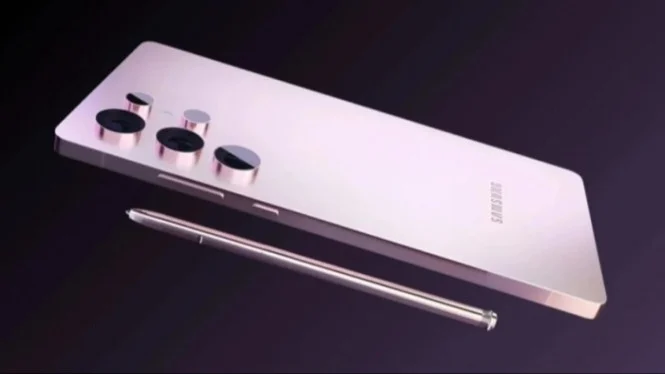
Samsung’s upcoming Galaxy S27 Ultra has generated fresh buzz, but recent leaks suggest the device may not introduce a new camera sensor. Contrary to earlier rumors about a major sensor upgrade, the flagship phone appears poised to continue using the same 200 MP ISOCELL sensor with a 1/1.3″ size found in its predecessors.
Initial reports had speculated Samsung would switch to a larger 1/1.1″ 200 MP sensor from Sony, promising better light capture and improved detail in low-light conditions. This change aimed to match or surpass camera performances from competitive Android flagships known for their advanced imaging.
However, credible tipster Ice Universe revealed that Samsung canceled those plans. The S27 Ultra’s sensor may actually shrink slightly compared to previous generations, reflecting a cautious approach rather than a breakthrough leap in hardware.

Impact on Camera Performance and Design
Retaining the older 1/1.3″ sensor means the Galaxy S27 Ultra might not deliver a drastic improvement in image quality or low-light performance. Smaller pixel sizes on this sensor can make it harder to capture sufficient light when shooting in dim environments or when requiring high detail.
This decision positions the S27 Ultra behind some flagship rivals, especially from Chinese brands that have adopted larger sensors for their ultra-premium models. Users highly focused on mobile photography might find Samsung’s choice conservative.
On the other hand, maintaining the legacy sensor size helps Samsung keep the Galaxy S27 Ultra slim and lightweight. This supports the brand’s strategic focus on sleek, elegant flagship designs without adding bulk due to bigger camera components.
Implications for Samsung Fans and Mobile Photographers
For photography enthusiasts hoping for a leap comparable to competitors with expanded sensor sizes, this news might cause disappointment. The S27 Ultra is expected to deliver "good but not groundbreaking" camera capabilities, resting heavily on software refinement rather than new sensor innovation.
Samsung’s robust software tuning and optimization may still allow the device to produce excellent images under many conditions. Yet, the lack of a physical sensor upgrade could limit its appeal to professionals or users who rate camera hardware as a decisive buying factor.
Samsung’s Cautious Evolution Strategy
Reports indicate the Galaxy S27 Ultra will follow an incremental upgrade path by preserving key hardware aspects while refining software quality. The device is likely to mirror the overall camera hardware seen in the Galaxy S23, S24, and S25 Ultra models, thereby emphasizing consistency over radical changes.
This approach aligns with Samsung’s apparent desire to balance form factor aesthetics with solid, reliable camera performance. It suggests the company prioritizes user experience stability and slimmer flagship designs over high-risk hardware gambles.
- Sensor used: 200 MP Samsung ISOCELL, size 1/1.3″
- Initially rumored sensor: Sony 200 MP, size 1/1.1″ (canceled)
- Expected improvements: software tuning, not major hardware changes
- Competitive outlook: behind some Android rivals with larger sensors
- Design focus: maintain slim and lightweight body profile
Samsung’s decision marks a strategic moment in its camera development path, prompting questions about what future flagship Galaxy models will offer beyond incremental improvements. Mobile photographers and tech enthusiasts will be watching closely to see how Samsung balances innovation with practical design in the years to come.