iPhone 4s as a Classic Music Player and Nostalgia Device
The iPhone 4s, released by Apple in October 2011, continues to capture attention despite being over a decade old. For users seeking a compact, classic device mainly for music playback and nostalgia, it remains a practical choice today.
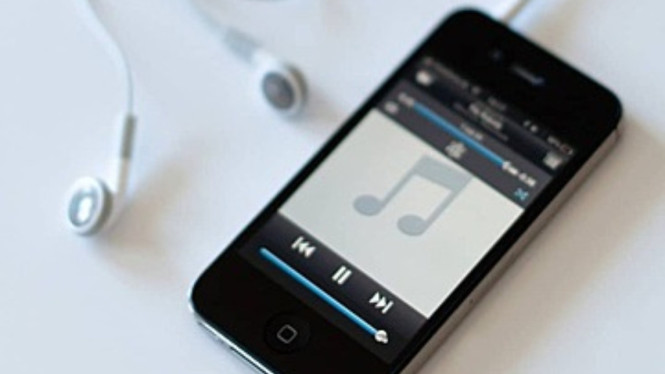
Supporting audio formats like AAC, MP3, Apple Lossless, WAV, and AIFF, the iPhone 4s offers flexible compatibility for various music files. Its 3.5mm headphone jack and 30-pin dock connector enable easy connection to traditional earphones and stereo systems without adapters.

Apple originally advertised the iPhone 4s with up to 40 hours of audio playback on a single charge. This extended battery life suits long listening sessions or playlists, making it ideal as a dedicated music device. Many users appreciate its “understated” audio output, which evokes memories of the early iPod and iPhone era rather than the brighter sound of modern devices.
Compact Design and Premium Build Quality
Encased in a glass front and back with a sturdy metal frame, the iPhone 4s embodies the premium feel typical of Apple products. Its 3.5-inch Retina display (960 × 640 pixels) may be small by current standards but enhances portability and one-handed use.
Weighing about 140 grams, the device fits comfortably in pockets, serving well as a dedicated music player and symbol of retro charm. This form factor contrasts sharply with today’s growing smartphones, adding to its appeal for those who prefer a minimalist and tactile experience.
Specifications and Remaining Functionalities
Powered by a dual-core Apple A5 processor, 512 MB of RAM, and storage options of 16, 32, or 64 GB, the iPhone 4s offers adequate performance for basic music and light app usage. Its camera system includes an 8 MP rear sensor capable of 1080p video, plus a VGA front camera, typical of early 2010s smartphones.
The original operating system, iOS 5, can be upgraded to iOS 9.3.6, though many modern apps are no longer supported. Despite this, the device remains functional for music apps and simple tasks, free from frequent notifications or heavy multitasking demands.
Affordable Price Range in the Secondhand Market
In Indonesia, the iPhone 4s is still available as a secondhand purchase at accessible prices. Depending on condition and storage capacity, used units can be found starting around hundreds of thousands of rupiah, which converts to roughly less than $20 USD, up to about one million rupiah (approximately $65 USD).
This affordability makes the iPhone 4s an attractive option for buyers wanting nostalgic tech without spending much. Its combination of stable audio playback, compact design, and classic Apple aesthetics offers value beyond newer smartphones focusing on high-end specs.
Why the iPhone 4s Still Matters as a Music Device
Though the iPhone 4s cannot compete with modern smartphones on performance or app capabilities, it excels in delivering a focused music listening experience. Dedicated users enjoy its straightforward interface, physical controls, and genuine retro feel.
The nostalgia factor also plays a significant role. Many who grew up with early iPods or the first iPhones find comfort in revisiting this device’s simplicity and sound character. For that reason, the iPhone 4s serves as both a functional music player and a sentimental collector’s item.
In summary, the iPhone 4s remains relevant for those prioritizing audio enjoyment, modest device size, and vintage appeal. Its blend of legacy Apple design, flexible audio compatibility, and reasonable pricing ensures it retains a special place in the world of classic mobile gadgets.