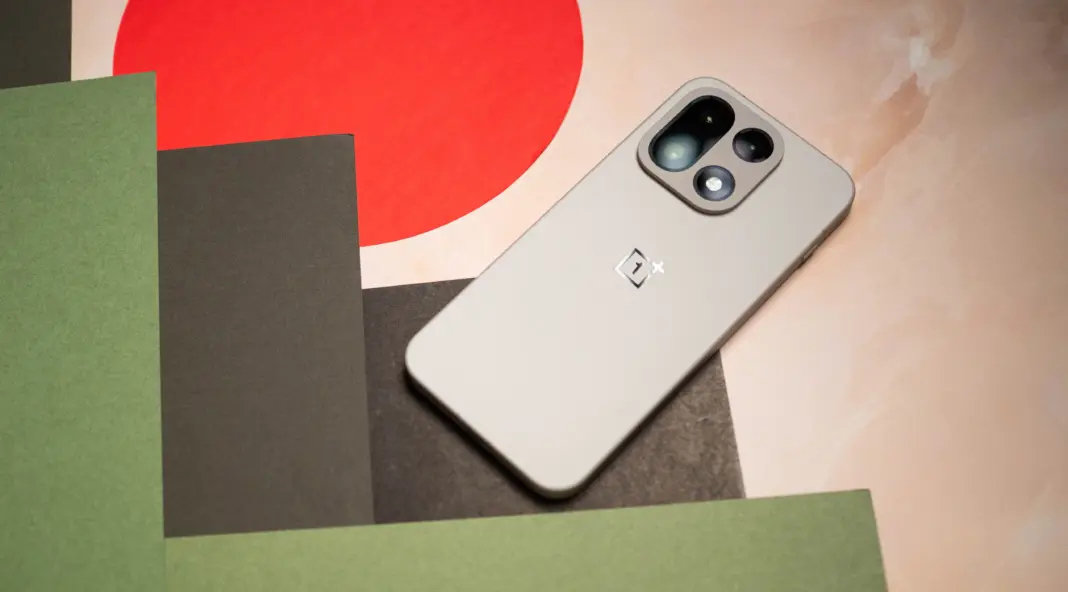
The OnePlus 15 emerges as a strong contender for users torn between gaming and productivity needs in the premium smartphone segment. This device, launched ahead of its competitors, specifically targets gamers with a focus on performance and speed.
Equipped with the latest Snapdragon 8 Gen 4 chipset, the OnePlus 15 promises robust performance optimized for gaming. The advanced vapor chamber cooling system keeps the phone’s temperature in check during extensive gaming sessions.
Its Fluid AMOLED display offers a 120Hz refresh rate and a touch sampling rate of 360Hz. These features combine to provide smooth visuals and precise touch controls, crucial for competitive gaming experiences. Additionally, the phone features a dedicated gaming mode that enhances performance and minimizes distractions by managing notifications effectively.

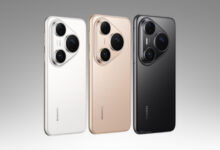
Battery life is another highlight, with a 5,500mAh battery capacity paired with ultra-fast 150W charging. This setup enables longer gaming sessions and rapid recharging, ideal for players who want minimal downtime between games.
In comparison, the Samsung Galaxy S25 Ultra directs its strengths toward productivity rather than gaming. It integrates the S-Pen stylus deeply into its workflow, making it a versatile tool for multitasking and professional use. Samsung’s ecosystem enhancements include improved DeX mode and Link to Windows features to support seamless transitions between mobile and desktop environments.
The Galaxy S25 Ultra also sports a Dynamic AMOLED 2X display with Vision Booster technology. With brightness levels up to 2,500 nits and HDR10+ support, the handset is well suited for content editing and viewing in various lighting conditions. Its quad-camera setup, headlined by a 200MP sensor, caters to content creators needing high-resolution photography and 8K video recording capabilities.
OnePlus’s OxygenOS offers a clean, minimal interface favored by gamers who prioritize speed and simplicity. Conversely, Samsung’s One UI provides a comprehensive suite of productivity features supported by a mature ecosystem. Pricing varies, with OnePlus generally positioning the 15 as a more competitively priced option compared to Samsung’s Ultra series. However, Samsung compensates with extended software support and a wider service network.
The differentiation between the two models reflects broader market trends toward smartphone specialization. Consumers increasingly select devices tailored to their dominant use, whether gaming or professional productivity. The emergence of specialized chipsets and ecosystem enhancements helps brands like OnePlus and Samsung carve distinct niches.
For users prioritizing gaming performance, OnePlus 15 is a compelling choice. Its high-performance chipset, advanced cooling solution, responsive display, and fast charging suit extended gameplay perfectly. Meanwhile, professionals and multitasking users might find the Galaxy S25 Ultra’s toolkit, including the S-Pen and productivity features, more aligned with their needs.
In the context of a competitive flagship market, the OnePlus 15 and Samsung Galaxy S25 Ultra offer distinct value propositions driven by their user focus. As both devices launch in early 2026, consumer preference will hinge on whether gaming thrill or productivity gains greater importance in daily smartphone use.
The clear segmentation between gaming-optimized and productivity-centric smartphones exemplifies the evolving landscape of premium mobile devices. Vendors increasingly adopt targeted strategies rather than a one-size-fits-all approach, providing enriched experiences that suit defined lifestyle demands. This trend promises more specialized choices for consumers navigating a diverse ecosystem of flagship phones.