For online motorcycle taxi drivers, choosing the right smartphone is crucial to support daily tasks efficiently. The ideal phone must balance durability, performance, and affordability to keep up with demanding usage patterns.
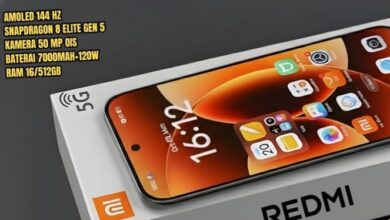
First, the screen type matters, especially for outdoor visibility. IPS screens are preferred over AMOLED because IPS panels are more resistant to direct sunlight, preventing issues like green screen effects caused by intense exposure. This makes IPS an optimal choice for drivers who spend long hours in bright conditions.
Second, avoid phones with cameras that use optical image stabilization (OIS). While OIS benefits photography by reducing shakiness, it is vulnerable to vibrations typical on motorbikes. This can lead to damage and affect camera performance, particularly when the phone is placed in a motorbike holder or storage compartment.


Third, the amount of RAM is a key factor for smooth multitasking. A minimum of 8 GB RAM is recommended, although 6 GB can be acceptable for some. This helps running multiple apps such as navigation, ride-hailing, and chat without lag, accommodating increasing app sizes due to frequent updates.
Fourth, the chipset should be moderately powerful to handle daily tasks without slowdowns. A Snapdragon 685 or its equivalent is advised as it offers efficient multitasking and reliable performance for running heavy ride-hailing applications and social media concurrently.
Here is a quick guide summarizing these important points:
- Screen Type: Choose IPS for better sunlight legibility over AMOLED/OLED.
- Camera Stabilization: Avoid phones with OIS to prevent damage from vibrations.
- RAM Capacity: At least 8 GB to support multitasking smoothly with current apps.
- Chipset: Minimum Snapdragon 685 ensures responsive and stable performance.
Additionally, battery life plays an essential role. Phones with large batteries, such as 6000 mAh capacity, allow longer operation without frequent charging—ideal for long shifts and navigation use. Operating systems that run smoothly and support regular updates improve overall usability and security.
For instance, smartphone models like the Samsung Galaxy M14 meet these criteria with an IPS-like PLS screen, 6000 mAh battery, and a capable OS environment. Although some variants offer 4 GB RAM, models with 8 GB are preferable for better performance. The device also supports 5G connectivity and multiple GPS bands to enhance location accuracy and signal strength.
Choosing a smartphone that fulfills these hardware requirements can significantly impact an online driver’s efficiency and comfort. It reduces the likelihood of technical issues during working hours and extends device durability under constant outdoor exposure. Drivers should focus on these specifications rather than opting for AMOLED screens or underpowered chipsets, which can hinder daily operational needs.
Overall, selecting a practical and robust phone involves prioritizing screen durability, vibration resistance, sufficient RAM, and a proficient chipset. These factors align with evolving app demands and the dynamic environment experienced by online motorcycle taxi drivers. This strategic choice enables seamless communication, navigation accuracy, and device longevity essential for their demanding profession.