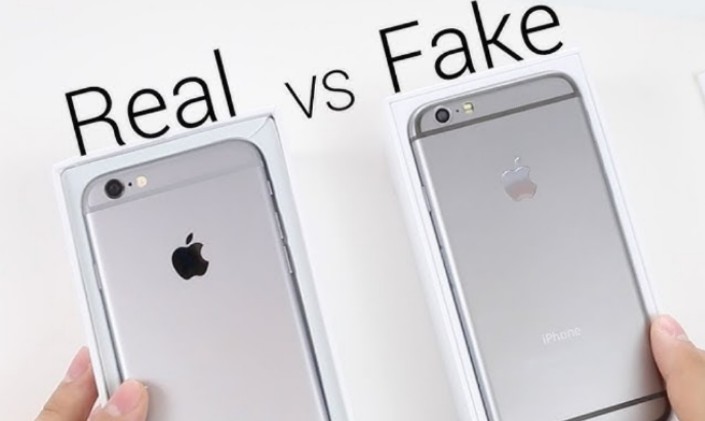
The rising popularity of refurbished iPhones in online marketplaces reflects growing consumer interest in affordable yet stylish gadgets. These refurbished devices are marketed under labels such as "like new," "ex-inter," or "open box," offering an attractive alternative for budget-conscious buyers. However, the question remains: which is more superior, a refurbished iPhone or an original one?
Refurbished iPhones are previously used units that have undergone component replacements, including batteries, casings, cameras, or even motherboards, to restore a new-like appearance. Despite their appealing look, the performance reliability varies significantly depending on the quality of repair and replacement parts. Common user complaints include rapid battery drain, unstable cameras, and unexpected device shutdowns within months of use.
Moreover, many refurbished units employ lower-quality housing, resulting in imprecise buttons and body color inconsistencies compared to Apple’s original production. Legal issues also pose significant concerns, especially regarding the IMEI number registration. Numerous refurbished iPhones, particularly ex-international models, are not registered in official government databases, increasing the risk of network blocking.
This network-blocking issue renders the device unable to connect to cellular services, severely limiting functionality. Despite these drawbacks, refurbished iPhones continue to attract buyers because their prices are typically 20% to 40% lower than brand-new models. The market segment is dominated by models like the iPhone 7, 8, X, XR, and 11.
On the other side, original iPhones—whether brand new or new old stock from verified distributors—offer unmatched reliability and peace of mind. These units feature official warranties, consistent software support, and genuine components precisely manufactured by Apple. Importantly, original iPhones have IMEI numbers verified by government authorities, eliminating the risk of network blacklisting.
Battery longevity, camera quality, and overall device durability remain far superior in original devices since they have not undergone secondary refurbishing processes. Industry experts highlight that official iPhones excel in security, lifespan, and resale value, making them the favored choice for users prioritizing long-term dependability.
Comparison at a Glance:
- Price: Refurbished iPhones are 20–40% cheaper.
- Quality: Original iPhones ensure better build and component integrity.
- Warranty: Original devices come with official warranty coverage.
- Performance: Original units deliver more stable and reliable operation.
- Network Security: Original iPhones avoid IMEI blocking issues.
Choosing between refurbished and original iPhones depends mainly on individual priorities and budget constraints. Refurbished units suit consumers with limited budgets who accept potential risks. Original iPhones cater to those valuing performance stability, warranty support, and device longevity.
Experts recommend meticulous scrutiny when purchasing refurbished iPhones, especially via online marketplaces. Verifying the IMEI status, ensuring clear warranty terms, and selecting reputable sellers are crucial steps to prevent potential losses. The surge of refurbished iPhones serves as a reminder that lower costs often carry significant trade-offs.
Ultimately, users seeking the safest and most comfortable long-term experience still find original iPhones unrivaled in quality and reliability.