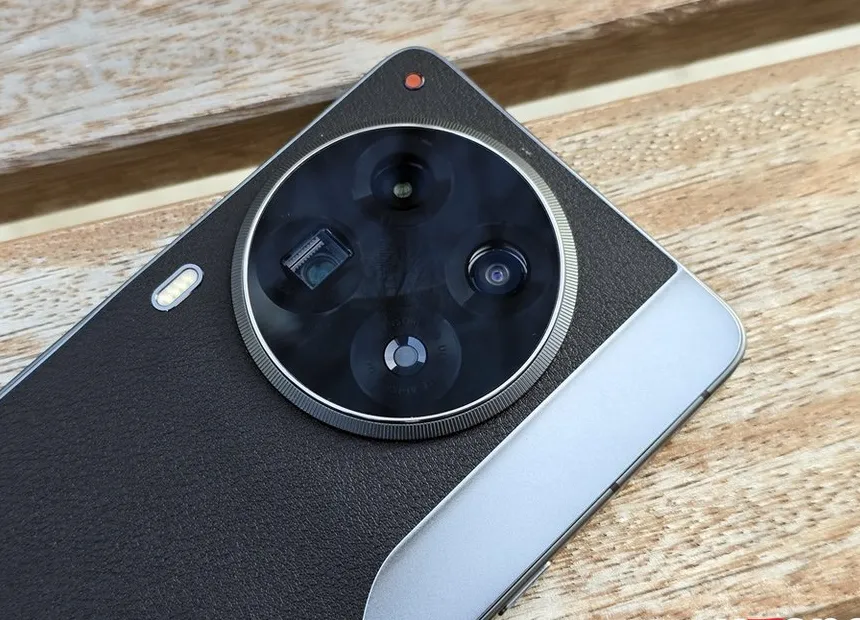
Tecno has unveiled two groundbreaking camera technologies aimed at revolutionizing smartphone photography. These innovations promise seamless zoom capabilities and more compact camera modules, addressing common issues found in current multi-lens systems.
At the 5th Tecno Future Lens event, the company introduced Freeform Continuum Telephoto and Dual-Mirror Reflect Telephoto technologies. Both advancements are designed to enhance imaging flexibility while maintaining or reducing the physical footprint of camera modules in smartphones.
Freeform Continuum Telephoto: One Lens, Continuous Zoom


Tecno’s Freeform Continuum Telephoto technology allows a single periscope-style lens to perform optical zoom smoothly across a wide range. It supports continuous zoom from 1x up to 9x magnification without breaks or sudden shifts in image quality, which are common in multi-lens setups.
Unlike conventional smartphones that switch between different lenses to achieve zoom levels, resulting in abrupt changes in color and detail, this technology relies on a single sensor and lens assembly to manage the entire zoom spectrum. This approach ensures consistent image quality and color fidelity from wide-angle shots to far-reaching telephoto captures.
Tecno partnered with Samsung and Largan, two industry leaders, to develop this ambitious technology. As reported by GSMArena, Freeform Continuum Telephoto is still approximately one year away from mass production readiness, indicating a rigorous development process ahead.
Dual-Mirror Reflect Telephoto: Space Efficiency Through Optical Design
Meanwhile, Tecno’s Dual-Mirror Reflect Telephoto module is closer to market availability and focuses on reducing the size and weight of telephoto camera modules. Inspired by catadioptric telescope designs, this technology uses two reflecting mirrors to fold the optical path, substantially shrinking the camera’s physical dimensions.
The module is reportedly 50% smaller and lighter than typical telephoto lenses found in smartphones. This compact form factor is particularly valuable as manufacturers strive to keep devices slim without sacrificing camera performance.
There are inherent trade-offs with this design. The characteristic bokeh effect produced takes on a ring or donut shape due to the mirror configuration, differing from the smooth blur most users expect. Additionally, the module experiences about a one-stop reduction in light capture efficiency because of the reflective path.
Despite these compromises, the space savings contribute to sleeker phone designs without losing significant imaging capabilities. Tecno is expected to integrate this technology into its smartphones as early as next year, pending consumer response.
Integrating Smart Processing with Tecno Image Matrix (TIM)
Beyond hardware, Tecno emphasizes intelligent image processing through its Tecno Image Matrix (TIM) system. TIM leverages artificial intelligence to go beyond basic image correction by interpreting scene context, subject traits, and even emotional tones within photos.
This advanced processing system aims to produce technically accurate images that also convey deeper artistic narratives. By combining innovative hardware like Freeform Continuum Telephoto and Dual-Mirror Reflect Telephoto with TIM, Tecno envisions a seamless mobile photography experience that balances consistency, expressiveness, and flexibility.
Market Impact and Industry Context
Tecno’s camera innovations arise amid fierce competition in the smartphone market, where optical zoom quality and module compactness are key battlegrounds. Other brands have pursued multi-lens assemblies or modular zoom mechanisms but often encounter challenges like abrupt image quality shifts or bulky designs.
Tecno’s dual-path strategy addresses these pain points: one technology targets superior zoom without lens swapping, and the other prioritizes miniaturization with distinct optical effects. This layered innovation roadmap has the potential to shift expectations for mid-range and high-end smartphone cameras, balancing hardware complexity with user-friendly outcomes.
The success of these technologies will depend on manufacturing scalability, final image quality, and acceptance by increasingly discerning smartphone users. If realized as planned, Tecno’s approaches could inspire competitors to explore similarly integrated solutions, pushing the boundaries of mobile photography further.
As Tecno continues refining these camera systems and preparing for commercial launches, the smartphone industry will be watching closely. These advancements not only promise new photographic capabilities but also highlight the evolving synergy between optical engineering and artificial intelligence in mobile devices.