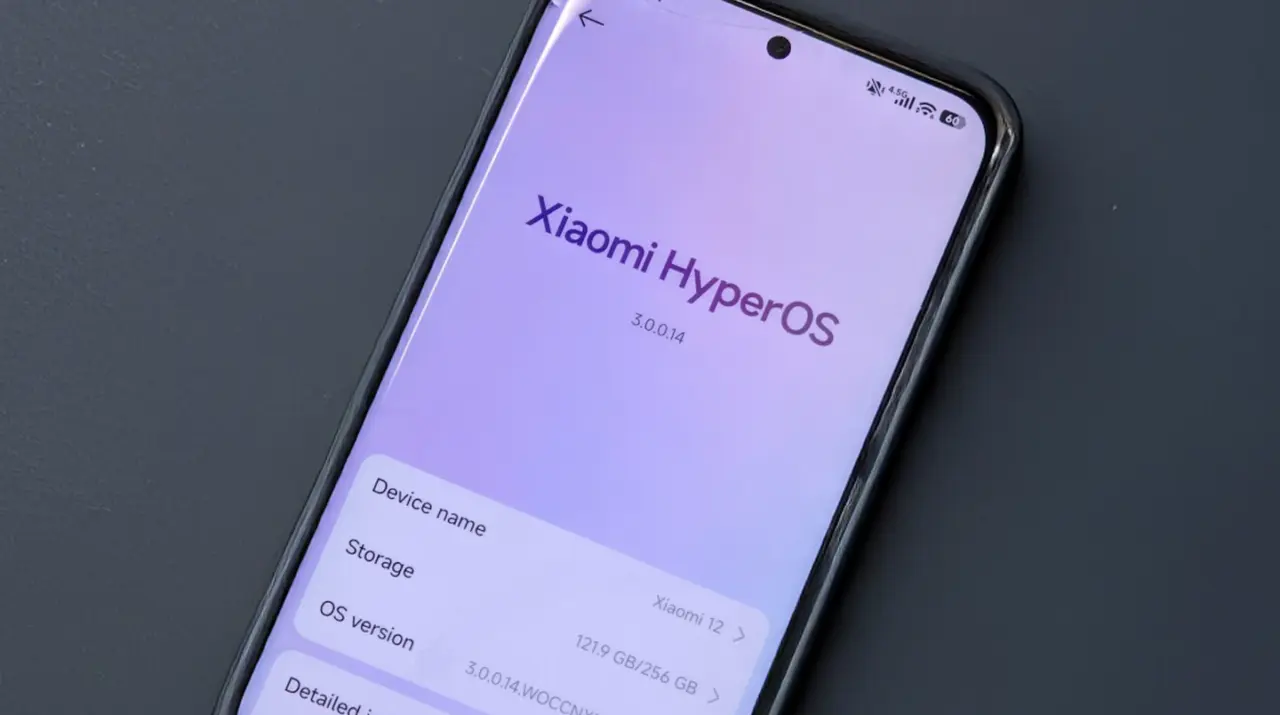
Xiaomi has officially expanded the rollout of its latest HyperOS 3 update, based on Android 16, to include several older smartphone models in China. This move underlines the company’s commitment to providing meaningful software upgrades even to devices that are three years old or more. The update covers flagship devices, foldable phones, and popular mid-range series, broadening the availability of Xiaomi’s newest operating system.
The official announcement was made by Xiaomi CEO Lei Jun, confirming that older models like the Mix Fold 3 foldable phone are part of the update list. Additionally, the latest Xiaomi 13 series—comprising Xiaomi 13, 13 Pro, and 13 Ultra, launched in 2023—are the first global models to receive HyperOS 3. Alongside these, Xiaomi has included key models from the Redmi Note series spanning 2023 to 2025.
List of 10 Xiaomi Older Phones Receiving HyperOS 3
- Xiaomi Mix Fold 3
- Xiaomi 13
- Xiaomi 13 Pro
- Xiaomi 13 Ultra
- Redmi Note 13
- Redmi Note 14
- Redmi Note 15
These models benefit from Xiaomi’s new OS, delivering a fresh user experience and improved performance. According to GizmoChina, the global version of HyperOS 3 for these phones is still under internal testing. Therefore, users outside China, including Indonesia, may receive the update in the coming weeks.
Owners can check for this update by navigating to Settings > About Phone > System Updates > Check for Updates. Once available, the option to download and install the update will appear. This method ensures that users receive official and secure software upgrades without delay.
Key Features of HyperOS 3
The HyperOS 3 interface was first introduced globally via the Xiaomi 15T and 15T Pro launch in Europe at the end of October 2023. Xiaomi designed this OS version with a revamped user interface that enhances aesthetics and functional efficiency. The update prioritizes smooth interactions and system responsiveness across compatible devices.
One standout addition is the “Hyper Island,” a quick menu that streamlines access to media controls, navigation, and notifications. This feature targets users who prefer an intuitive and faster workflow on their smartphones. It reflects Xiaomi’s emphasis on usability improvements tailored for modern mobile habits.
Xiaomi has also upgraded cross-device synchronization in HyperOS 3. Now, connecting phones, tablets, and wearable devices within the Xiaomi ecosystem is more seamless. This enhanced interoperability simplifies data sharing and device management, creating a unified smart technology environment. Such integration is Xiaomi’s response to the cohesive ecosystem experience seen in competitors like Apple’s iOS.
The rollout of HyperOS 3 to older Xiaomi phones illustrates the brand’s strategy to extend valuable software features to a broad user base. By doing so, Xiaomi supports customer loyalty and sustains device longevity through software innovation. Users of models released between 2020 and 2023 can expect significant improvements in their smartphone performance and interface.
This update also signals Xiaomi’s readiness to keep pace with continuous OS advances and user expectations. As Android 16-based systems become the new norm, adapting legacy devices to this platform helps maintain competitiveness. Xiaomi’s approach blends cutting-edge design with backward compatibility, a balance favored by consumers worldwide.
In summary, Xiaomi’s expansion of HyperOS 3 to older flagship and Redmi Note devices reinforces its dedication to product support. The update combines interface redesign, performance optimization, and smarter device integration features. Xiaomi users are encouraged to monitor the availability of this update through official channels and enjoy the benefits of a refreshed Android 16 experience.
-

-

-

-