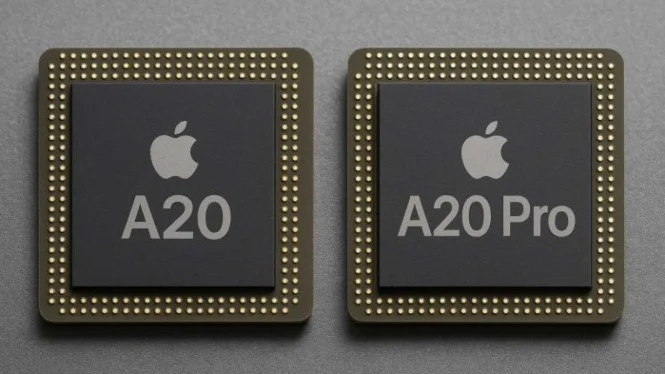
Apple is preparing a major leap in smartphone chipset technology with the upcoming iPhone 18, expected to launch in the third quarter of 2026. This new model will introduce a groundbreaking Wafer-level Multi-Chip Module (WMCM) packaging, paired with TSMC’s advanced 2nm "N2" fabrication process, promising faster performance without the common issue of overheating.
Since the iPhone X era, Apple’s chipset designs have relied on Integrated Fan-Out (InFO) packaging, which helped reduce size and improve power efficiency. However, as chip complexity grew, InFO began to show limitations in thermal management. WMCM addresses this by modularizing the chip components—separating CPU, GPU, NPU, and ISP into distinct dies integrated on one wafer package. This modular approach reduces electrical and thermal interference, resulting in lower power consumption and more even heat distribution.
WMCM Technology vs. InFO: What’s New?
- CPU, GPU, and specialized units on separate dies
- Reduced thermal hotspots due to component separation
- Improved power efficiency and sustained high performance
This architecture mirrors strategies used by top desktop chipmakers like AMD and Intel but is newly adapted for mobile devices by Apple with TSMC’s support. WMCM not only reduces heat generation but also enhances performance stability during prolonged use—ideal for intensive tasks like gaming and video editing.
2nm Process Node Boosts Efficiency
Apple’s use of TSMC’s 2nm fabrication further amplifies chipset capabilities with:
- 10–15% higher performance at the same power level
- 25–30% lower power consumption at equivalent performance
- Increased transistor density supporting richer features
These improvements enable the new A20 and A20 Pro chips to maintain peak clock speeds for longer periods without throttling, even under heavy gaming sessions like Genshin Impact or Where Winds Meet. The synergy of WMCM packaging and 2nm technology marks a remarkable advancement in managing power and heat together.
Comparing to iPhone 17’s Cooling System
While iPhone 17 Pro models already include vapor chamber passive cooling, which outperforms traditional heat pipes, Apple acknowledges this is only a partial measure. Instead of just improving cooling methods, iPhone 18’s chip design tackles heat generation at the source. This strategy might lead the iPhone 18 Pro to become the most thermally efficient smartphone on the market without requiring active cooling solutions such as fans or liquid cooling.
Rumors also suggest Apple plans to extend vapor chamber cooling to its first foldable model, the iPhone Fold, debuting alongside the iPhone 18 series, reinforcing their commitment to consistent high performance across all flagship devices.
Real-World Benefits for Users
The advancements are not just benchmark wins; they translate to tangible improvements:
- Smoother gaming with minimal frame drops during long sessions
- Extended video editing capabilities in 4K and 8K without overheating
- Longer battery life due to reduced energy wasted as heat
- Better night photography supported by stable thermal conditions for computational processing
- Stable AR/VR experiences, essential for upcoming Apple Vision Pro applications
Industry Implications and Competition
Most Android chipsets still use monolithic or 2.5D packaging with active cooling components to manage heat. Apple’s combination of WMCM and 2nm process sets a new standard. By reducing heat generation first and then optimizing heat dissipation, Apple redefines efficiency within mobile chips.
If these reports prove accurate, the iPhone 18 Pro could outperform competitors not only on raw speed but on consistent performance and thermal reliability—key factors for user satisfaction.
A Note on Reliability of This Information
The information comes from reliable but unofficial sources such as respected Apple tipster “Fixed Focus Digital” on Weibo. Apple has not officially confirmed iPhone 18 specifications. Final product designs and features may still change before the official release set for September 2026. However, Apple’s track record of adopting advanced fabrication and cooling technologies lends credibility to these developments.
Apple’s upcoming iPhone 18 represents more than just an upgrade; it signals a revolution in smartphone thermal and performance engineering. Combining modular WMCM architecture with the cutting-edge 2nm process, Apple aims to deliver sustained high-speed performance with efficient heat management—a critical advancement for users demanding power and reliability throughout the day.